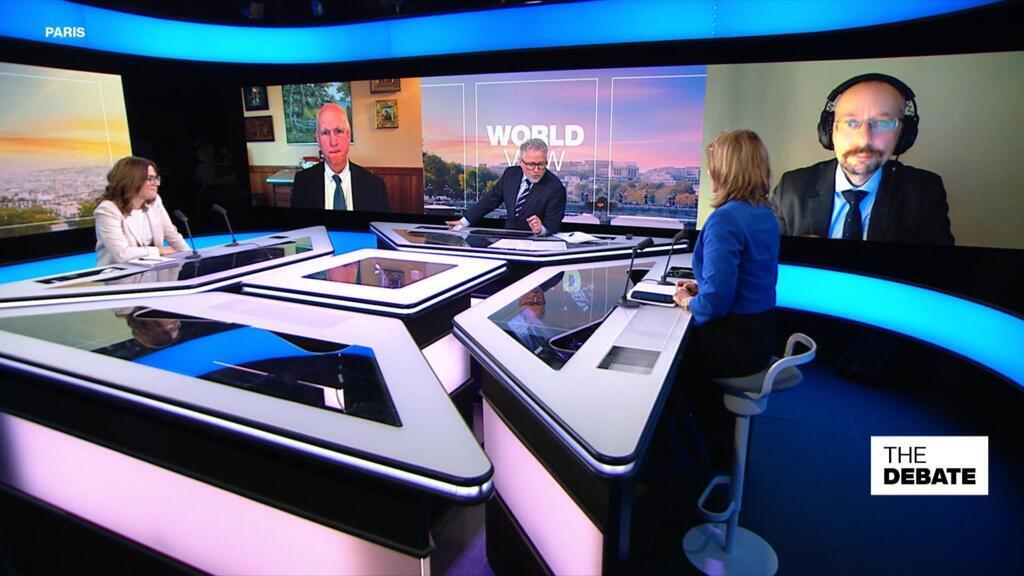
Concerns Emerge Over Trump Administration's Closeness to Kremlin
The recent peace plan concerning Ukraine has sparked significant controversy and raised alarms among international observers. Critics have noted that this proposal seems to align closely with Russian interests, suggesting that it may have been effectively crafted by the Kremlin itself. The demands outlined in the plan include Ukraine surrendering territorial claims, reducing its military capabilities, and relinquishing any aspirations for NATO membership. These conditions have provoked substantial unease, particularly given the geopolitical implications involved.
Compounding these worries is a recently leaked phone call involving Steve Witkoff, a U.S. envoy, and Yuri Ushakov, a senior advisor to Russian President Vladimir Putin. The contents of the conversation have intensified suspicions regarding the Trump administration's warm ties with the Kremlin and raised critical questions about the motivations behind its foreign policy decisions. Observers are now left to ponder whether the administration's strategies reflect a high-stakes negotiation style, commonly referred to as "the art of the deal," or if they constitute a troubling compromise akin to a sellout of democratic principles.
Critics of the plan argue that the concessions demanded from Ukraine undermine its sovereignty and security, which could have far-reaching consequences not only for the nation itself but also for the broader stability of Eastern Europe. By asking Ukraine to cut back on its military and surrender land, the plan could embolden Moscow, as it would send a message that aggressive actions can yield territorial gains. This perspective underscores concerns that such capitulation could set a dangerous precedent for international relations and conflict resolution.
In the context of U.S.-Russia relations, the leaked conversation adds another layer of complication. The allegations of collusion and the close ties between the Trump administration and Russian officials increasingly dominate discussions among U.S. lawmakers and analysts. The phone call's implication that U.S. diplomats may have entertained ideas favorable to Russia raises questions about the integrity of American diplomatic efforts and its commitment to supporting allies like Ukraine.
The ongoing war in Ukraine has drawn significant media attention and has polarized opinions within the U.S. and across Europe. Many believe that a strong and unified approach is essential to deter further Russian aggression, while others fear that pushing too hard could provoke even greater conflict. The peace plan’s phrasing, coupled with Witkoff’s dialogue with Ushakov, has heightened the stakes in an already tenuous situation, leading some to interpret it as a sign that the U.S. may be shifting away from a staunch commitment to NATO and its partners in Eastern Europe.
As public outcry and bipartisan concern grow, the dynamics surrounding this peace plan warrant close scrutiny. The implications of these proposals go beyond mere diplomatic negotiations; they touch upon deep-rooted issues of national sovereignty, territorial integrity, and the principles of international law. The gravity of the situation necessitates a thoughtful and robust response from the international community to ensure that the principles of democracy and stability are upheld, rather than compromised.
Ultimately, the unfolding events and the responses from both the Trump administration and its detractors will shape not only the future of U.S.-Ukraine relations but also the broader narrative of how global powers navigate conflict and diplomacy in an increasingly polarized world.