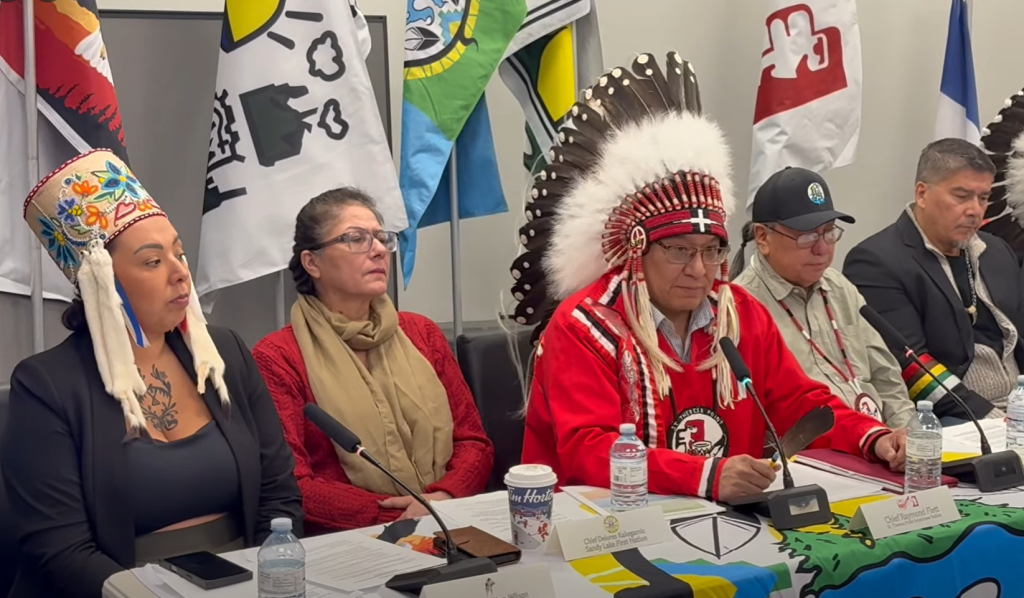
Indigenous leaders in Manitoba hailed a significant legal victory following a federal court ruling that confirmed Canada's obligation to provide adequate housing in First Nations communities. This ruling is the outcome of a class action lawsuit initiated by the St. Theresa Point Anisininew Nation and Sandy Lake First Nation, both of which have been grappling with severe housing shortages for decades.
The evidence presented during the case revealed alarming conditions in these communities, with one in four homes in St. Theresa Point deemed uninhabitable. Furthermore, more than half of the housing units in Sandy Lake were reported to require major repairs, underscoring a crisis in adequate living conditions.
Manitoba Chiefs emphasized that this ruling reaffirms safe housing as a constitutional and Treaty obligation, validating a longstanding struggle that dates back to the 1909 Adhesion to Treaty 5. The Chiefs pointed out that years of systemic underfunding have robbed Nations of control over their own housing systems, leaving communities in dire straits.
Chief Emeritus Elvin Flett of the St. Theresa Point Anisininew Nation articulated the dire consequences of inadequate housing, stating, "Homes without heat, children without safety, families without hope this isn’t an accident this is policy." His comments highlight the gravity of the situation, where insufficient housing conditions have serious implications for family safety and well-being.
Chief Raymond Flett of St. Theresa Point Anisininew Nation added, "All we know is that our band-based capital was capped nearly three decades ago, and we are not given the resources to respond and to plan with adequate housing for our community members." This statement reflects the frustrations of many First Nations leaders who feel marginalized and overlooked in housing policy decisions.
Critical issues like overcrowding, mold, sewage problems, and faulty electrical systems have not only worsened living conditions but have also tragically contributed to incidents like deadly house fires involving children. These tales of calamity underscore the urgent need for reform and investment in housing solutions for First Nations.
Grand Chief Kyra Wilson of the Assembly of Manitoba Chiefs stressed the necessity for actionable steps moving forward. She emphasized the need for "clear timelines, dedicated funding, and recognizing First Nations must lead the design and delivery of housing solutions in their own communities." Her call to action reflects a broader desire for self-determination and meaningful involvement in addressing housing crises.
The federal government now has the option to appeal the court's ruling; however, if they choose not to proceed with an appeal, the class action lawsuit will advance. First Nations involved are poised to seek damages as well as long-term housing solutions to address the urgent needs of their communities.
As of the publication of this article, the federal government had not provided a response to the ruling. The outcome of this case could potentially lead to substantial changes in funding and governance surrounding housing on reserves, marking a pivotal moment in the ongoing efforts for equity and justice in First Nations communities.