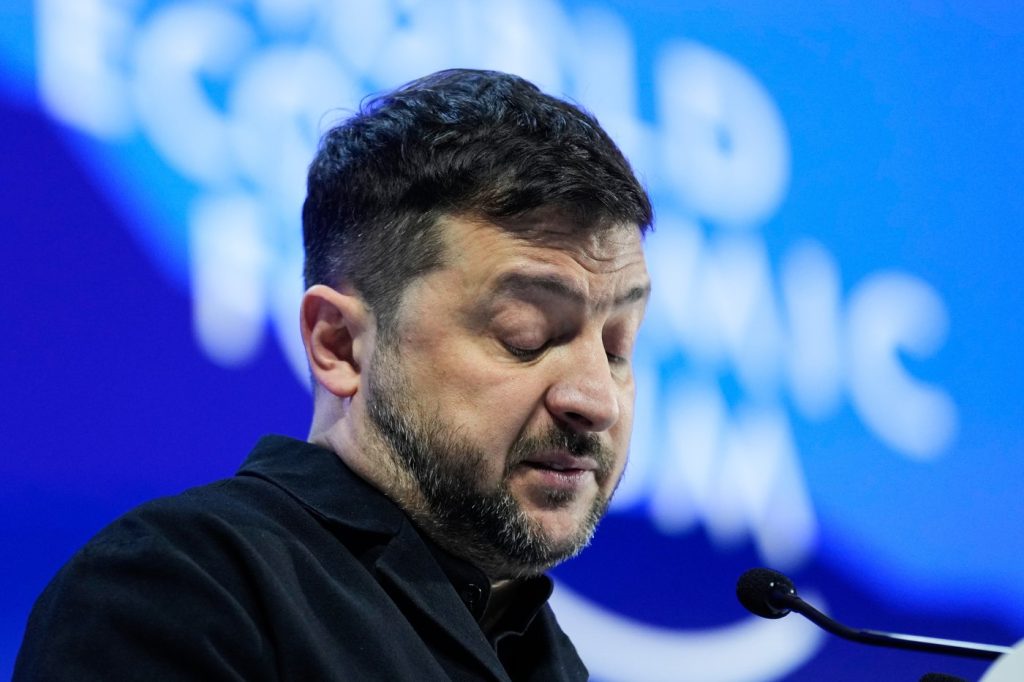
Ukrainian President Volodymyr Zelenskyy delivered a powerful critique of European nations during his address at the World Economic Forum in Davos, Switzerland, on January 22, 2026. He condemned the continent for its slow, fragmented, and inadequate response to Russia's invasion, which commenced nearly four years ago. The ongoing aggression from Russia only underscores the urgency of Zelenskyy's message, as he emphasized the need for Europe to emerge as a cohesive global force capable of defending itself.
Zelenskyy expressed his frustration with Europe, stating, "Europe looks lost," and highlighted the differences between Europe and the bold initiatives taken by the United States in various geopolitical situations, such as Venezuela and Iran. He referred to the theme of stagnation in his speech, likening it to the film "Groundhog Day," where the protagonist is forced to relive the same day repeatedly. Zelenskyy recalled having made similar calls a year prior for Europe to better equip itself for defense, remarking, "And nothing has changed. We are still in a situation where I must say the same words again."
While European countries have provided Ukraine with financial, military, and humanitarian support amid the conflict, Zelenskyy pointed out the political rifts and inconsistent responses among the 27-nation European Union. He indicated that these disagreements had left Ukraine vulnerable to Russian advances and expressed concerns about the continent’s overall readiness to stand united against Moscow’s aggression.
Following his speech, Zelenskyy engaged in a private meeting with U.S. President Donald Trump, which both leaders described as "productive and meaningful." During their talks aboard Air Force One, Trump noted that both Zelenskyy and Russian President Vladimir Putin are inclined toward reaching a peace settlement, yet the negotiations have stagnated on key issues, including territorial boundaries. Trump remarked that various parties involved in the negotiations were making concessions, yet persistent sticking points remain a barrier to reaching an agreement.
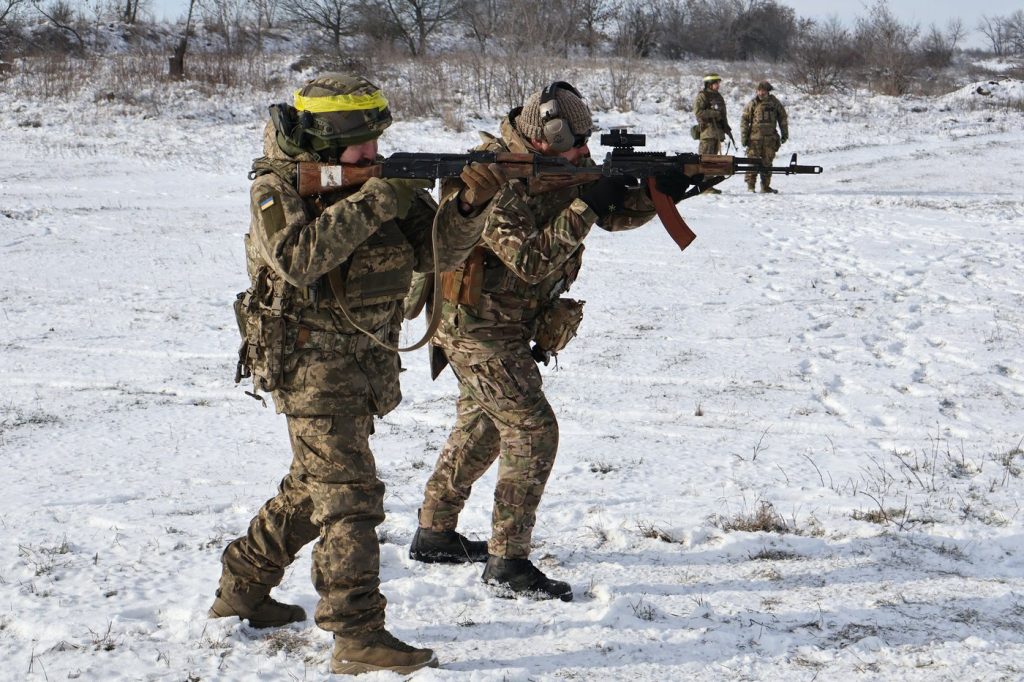
Amid the hardships faced by Ukrainians, particularly with winter challenges compounded by Russian assaults on energy infrastructure, Zelenskyy reiterated the need for increased military support from the West, including additional U.S.-made Patriot air defense systems. Trump's administration has facilitated support for Ukraine, but Zelenskyy called for further advancements in military aid to assist in defense against continued Russian aggression.
The conflict has resulted in significant territorial losses for Ukraine, with approximately 20% of its territory occupied by Russian forces since the start of hostilities in 2014. Reports indicate that Ukraine is struggling with troop shortages at the front lines, facing challenges such as desertions and draft-dodging. Zelenskyy stressed the necessity of maintaining global attention on Ukraine in the face of competing global crises.
In his address, Zelenskyy criticized Europe’s hesitance to take decisive action on vital decisions and described the continent's defense spending as insufficient. He also highlighted the issue of Europe's "shadow fleet" of oil tankers that bypass international sanctions, calling on European nations to take a more aggressive stance against such violations. Zelenskyy’s address ended with a call for Europe to redefine itself from a mere geographical entity into a formidable political power, capable of decisive action in international affairs.
As peace talks continue in various formats, including upcoming trilateral meetings in the United Arab Emirates involving the U.S., Ukraine, and Russia, Zelenskyy maintained that both sides must be ready to make compromises to advance towards a peaceful resolution. He remains focused on securing international assistance and support to fortify Ukraine's position against Russian forces, as the conflict continues to take a significant toll on the country and its people.