Desperate Palestinians in the Muwasi area of Khan Younis, Gaza, are resorting to digging through a garbage dump for plastic items to burn, as they struggle to fend off the cold during a harsh winter. This dire situation starkly contrasts with optimistic narratives presented by world leaders at the World Economic Forum in Davos, Switzerland, where U.S. President Donald Trump recently inaugurated a new initiative called the "Board of Peace" aimed at overseeing Gaza.
During the forum, Trump claimed that record levels of humanitarian aid had entered Gaza since the brokered ceasefire began in October. His son-in-law, Jared Kushner, along with envoy Steve Witkoff, highlighted the region's development potential despite its battered state. However, many Gazans remain skeptical about the Board of Peace's ability to alleviate their suffering, as they continue to live in displacement camps and face ongoing Israeli military strikes. Just recently, Israeli tank shelling resulted in the deaths of four Palestinians east of Gaza City, underscoring the ongoing violence despite the declared ceasefire.
Residents express a sense of despair and doubt regarding the effectiveness of Trump's Board of Peace. Rami Ghalban, a displaced man from Khan Younis, questioned how the committee can truly understand and address their plight, particularly when it counts Israeli officials among its members. Fathi Abu Sultan lamented their miserable condition, emphasizing a lack of alternatives for improvement. Despite an increase in aid flow into Gaza, residents report shortages of essential supplies like fuel and firewood, with prices soaring. Tragically, two 13-year-old boys were shot and killed by Israeli forces as they searched for firewood, highlighting the dangers of their struggles.
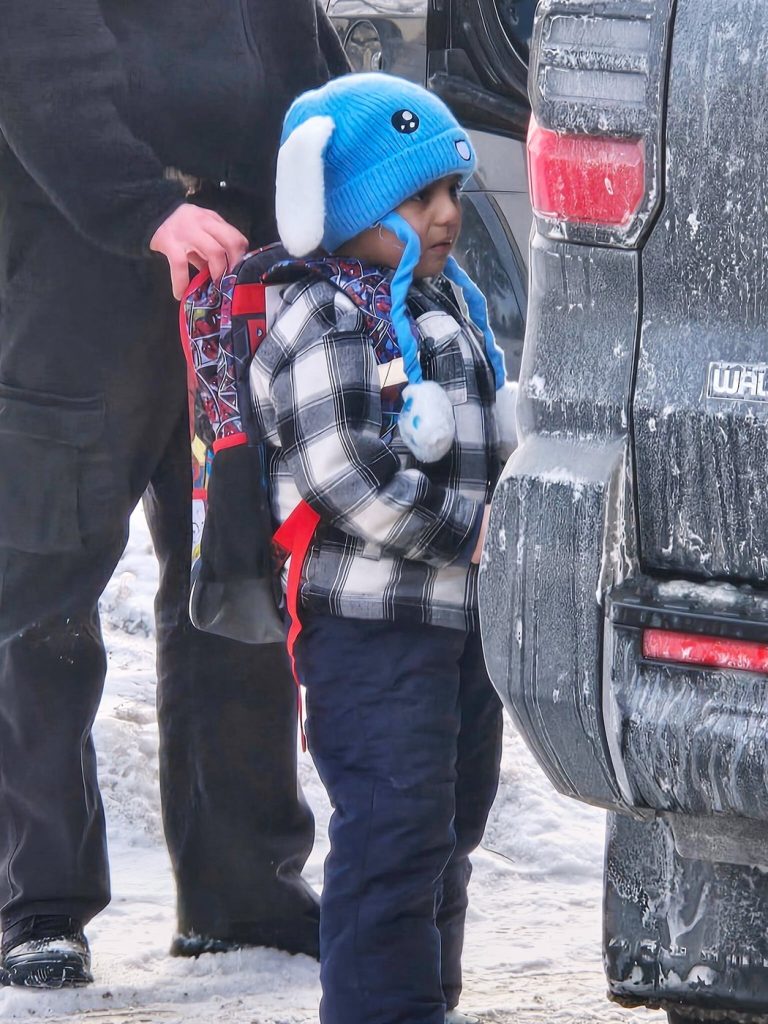
The United Nations stated that they are able to support only 40% of the existing 970 displacement sites in Gaza due to capacity and funding issues. They continue to distribute essential items, including tents, mattresses, blankets, and cooking utensils. For families like that of Sanaa Salah, residing in a makeshift tent with her husband and six children, starting a fire with whatever material they can find, including plastic, has become a daily necessity for cooking and warmth. The family lacks sufficient clothing and cannot afford firewood or gas, illustrating the extreme hardships they endure.
Aziz Akel, another Gaza resident, shared his struggles, stating his family cannot afford the prohibitive costs of basic necessities, while his daughter, Lina, described her father searching through rubbish piles for materials to burn. They are desperately trying to survive amid the grim realities of life in Gaza.
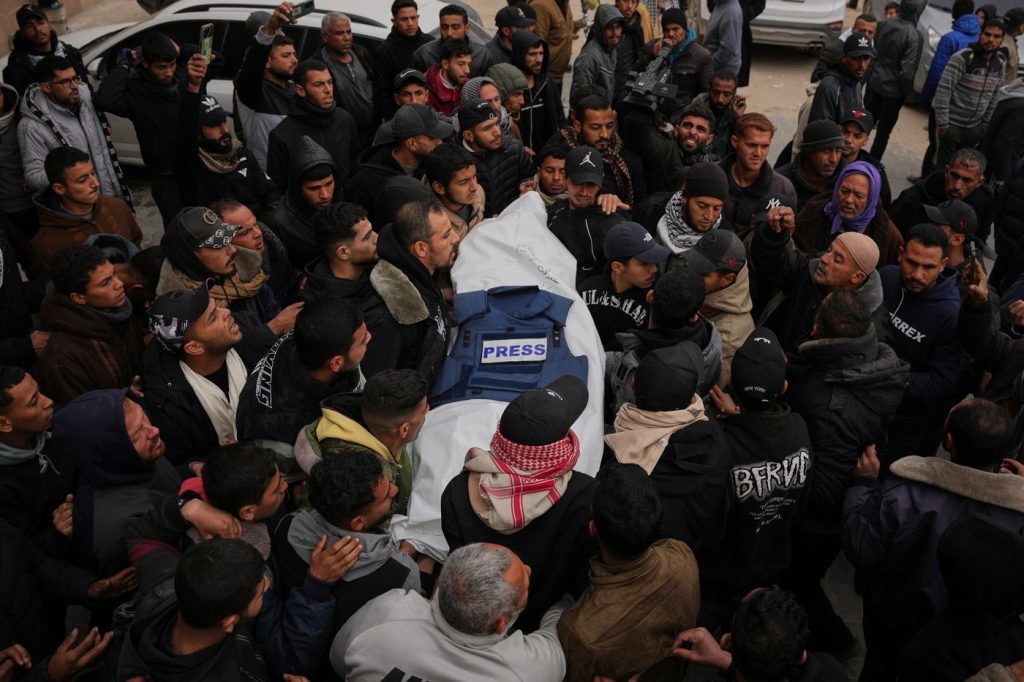
Further complicating the situation is the reported killing of three Palestinian journalists, including a contributor to Agence France-Presse (AFP), who were struck by an Israeli attack while documenting conditions in a displacement camp. The Israeli military stated that the strike targeted suspects operating a drone that posed a threat. The deaths raised alarm among local and international media communities, as Gaza remains largely inaccessible to foreign journalists due to restrictions imposed by Israel.
Since the ceasefire began, over 470 individuals have reportedly been killed by Israeli fire in Gaza, according to health officials within the Hamas-led government. The toll underscores the ongoing tension and violence in the region, despite international efforts to broker peace. As discussions about the future of Gaza unfold, including the anticipated reopening of the Rafah border crossing, hope seems tenuous at best. Russian President Vladimir Putin has expressed intent to send $1 billion in humanitarian aid to the Board of Peace, contingent on U.S. approval. He emphasized the belief that a functioning Palestinian state is essential for resolving the broader Middle East conflict.