TOKYO (AP) — On Sunday, Japanese panda enthusiasts gathered at Tokyo's Ueno Zoo for the final public viewing of the beloved twin pandas, Xiao Xiao and Lei Lei, before they return to China on Tuesday. This departure marks a significant moment, as it will leave Japan without any pandas for the first time in 50 years, amid strained relations between Tokyo and Beijing, reducing the chances of acquiring replacement pandas.
Pandas have had a long history in Japan, with the first pair sent by China arriving in 1972, shortly after the normalization of diplomatic ties between the two countries. The affectionate black-and-white bears quickly captured the hearts of the Japanese public, becoming national icons. The upcoming exit of Xiao Xiao and Lei Lei has led to enormous crowds visiting the zoo, despite a strict one-minute time limit for viewing. Fans, many carrying panda-themed merchandise, gather to shout out the pandas' names while filming their playful antics of bamboo munching and roaming.
Chinese authorities maintain ownership of the pandas they lend, including any cubs. Xiao Xiao and Lei Lei were born in Ueno Zoo in 2021. Recently, Chinese Foreign Ministry spokesperson Guo Jiakun acknowledged Japan's love for giant pandas, inviting Japanese citizens to visit them in China.
Web engineer Takahiro Takauji, a dedicated panda fan, expressed his sadness over the impending departure. His interest in pandas began 15 years ago when he visited Ueno Zoo and fell in love with their parents, Shin Shin and Ri Ri. Describing pandas as "cute and funny," Takauji visits the zoo daily and has amassed over 10 million photographs of the animals. During a recent competitive online booking session, he took as many as 5,000 photos during his one-minute viewing of the twins, showcasing his love and dedication to them.
Ties between Japan and China have grown increasingly tense, particularly following remarks by Japanese Prime Minister Sanae Takaichi regarding potential interventions in Taiwan, a point of contention between the two nations. The historical backdrop of strained relations further complicates the situation, with territorial disputes persisting in the East China Sea and growing security threats linked to China's rise in the region.
Pandas are an essential part of China's diplomatic strategy, with Beijing lending them to countries globally as a gesture of goodwill and for cooperation in conservation efforts. The first pandas sent to Japan, Kang Kang and Lan Lan, arrived just a month after Japan and China normalized diplomatic ties. Since then, the exchanging of pandas has been a tool for fostering international relations, transitioning from gifting in the 1970s to leasing agreements in the 1980s.
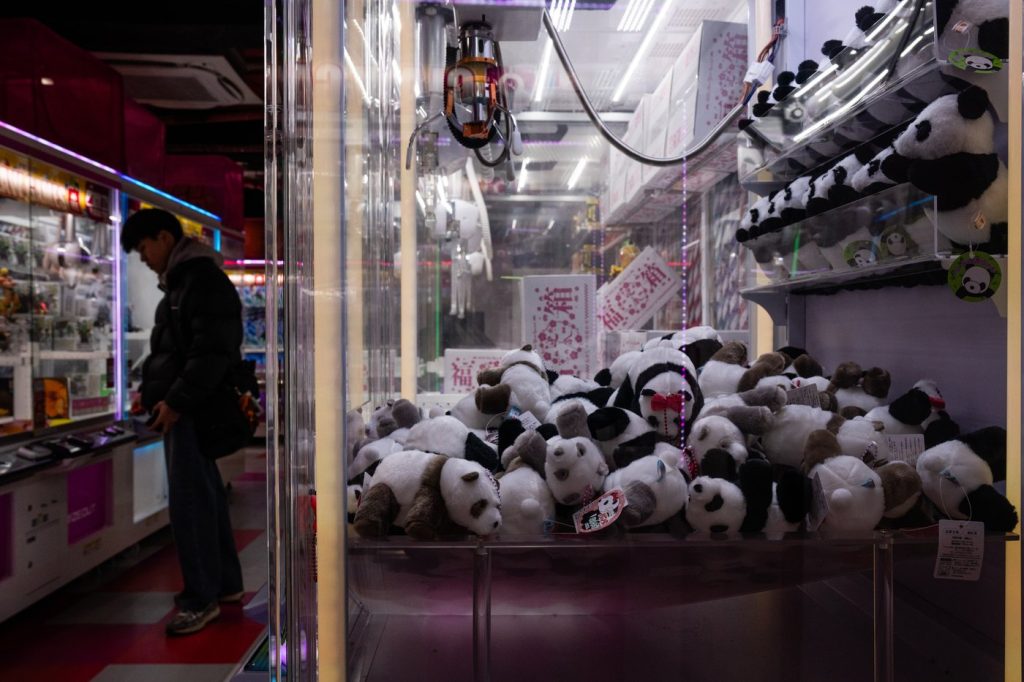
The cultural impact of pandas in Japan is immense, illustrated by panda-themed merchandise ranging from cookies to stuffed toys, cascading through various forms including statues and souvenirs. Asao Ezure, a souvenir shop manager, indicated concerns over the economic ramifications of the pandas' absence, estimating an annual loss of about 20 billion yen ($128 million) to local businesses.
In significant ways, the pandas have come to symbolize Ueno and are deeply embedded in the community’s identity. Despite the looming absence, Ezure remains optimistic about future panda arrivals, choosing to keep promotional materials highlighting Xiao Xiao and Lei Lei. This strong sense of attachment underscores the profound impact these animals have had on Japanese society and the enduring hope for their return.