Franco-German Relations: Challenges and Opportunities for the EU
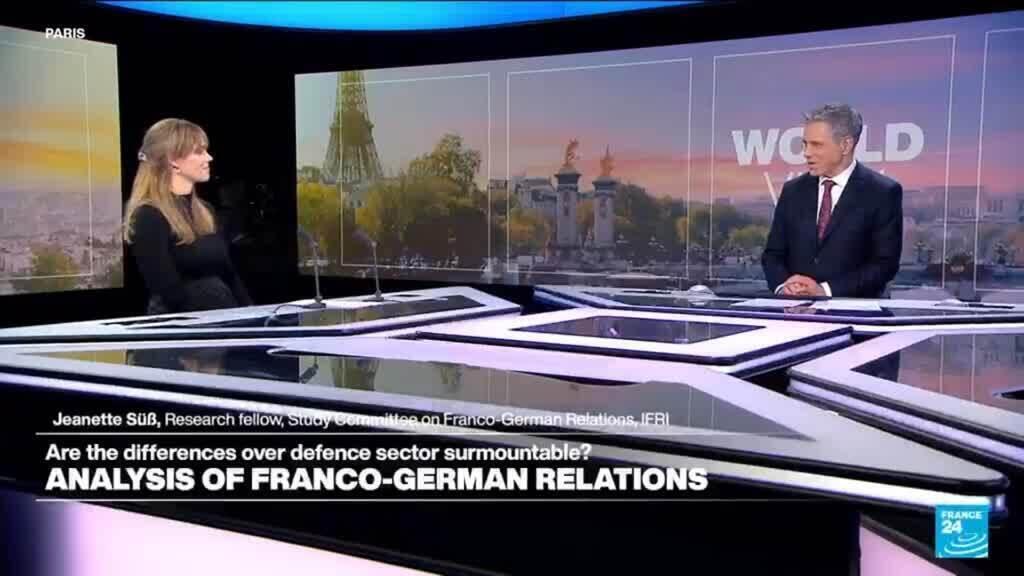
François Picard recently welcomed Jeanette Sasse, a researcher at the Study Committee on Franco-German Relations (Cerfa) within the French Institute of International Relations (Ifri). During their discussion, Sasse highlighted the pivotal role that France and Germany have historically played as the driving force behind the European Union (EU). Despite occasional divergences in their visions for Europe, both nations have consistently sought common ground to promote unity and progress within the EU framework.
As the EU currently faces unprecedented challenges, including the ramifications of Russian aggression, the unpredictability of U.S. foreign policy, and increasing internal fragmentation among member states, the resilience of the Franco-German alliance is being tested more than ever. The dynamics within this alliance are critical; their ability to navigate these challenges will significantly impact the future direction of the EU.
Historically, France and Germany’s cooperative relationship has served as a model for European integration. Their partnership, formalized through treaties and collaborative initiatives, has facilitated strides in economic development, security cooperation, and political alignment. However, as noted by Sasse, the complexities of current geopolitical realities require a reevaluation of their collaboration.
The ongoing conflict in Ukraine has intensified the necessity for a unified EU response, placing greater pressure on both France and Germany. Each country brings its own perspective to the table. France, under President Emmanuel Macron's administration, has advocated for a more autonomous Europe capable of making independent decisions, particularly concerning defense and security. Meanwhile, Germany, led by Chancellor Olaf Scholz, has focused on maintaining robust transatlantic ties while also balancing its response to Russia's aggressive maneuvers.
These differing approaches to EU solidarity and security raise critical questions about the future of the Franco-German partnership. Will these two nations be able to reconcile their individual strategies towards a coherent EU vision? The answer to this question not only has implications for bilateral relations but also for the broader stability and cohesion of the European project.
Furthermore, the impact of U.S. unpredictability adds another layer of complexity to the Franco-German alliance. With fluctuating priorities in American foreign policy, European leaders must grapple with the task of ensuring their security and economic interests are safeguarded, which often requires innovative solutions and collaborative endeavors.
In addition to external pressures, internal fragmentation within the EU poses a significant obstacle to the effectiveness of the Franco-German partnership. Diverging interests among member states regarding issues such as migration, economic recovery post-COVID-19, and climate policy have led to tensions that complicate unified decision-making processes.
Ultimately, as the EU stands at a crossroads amid these multifaceted challenges, the vision, resilience, and adaptability of the Franco-German relationship will be crucial. Their willingness to engage in constructive dialogue and compromise will determine the strength and unity of the EU moving forward. The ongoing evolution of this partnership may provide critical insights into how Europe can confront its pressing issues while fostering greater integration and cooperation among its member states.