For the hundreds of Kashechewan First Nation evacuees in Niagara Falls, Ontario, the Canada-U.S. border is conveniently located just a short walk away. However, the First Nation's leadership is advising its members to remain on the Canadian side due to concerning actions by U.S. Immigration and Customs Enforcement (ICE). Nearly 900 evacuees made their way to various hotels in Niagara Falls following a significant water crisis that forced them to leave their northern Ontario community.
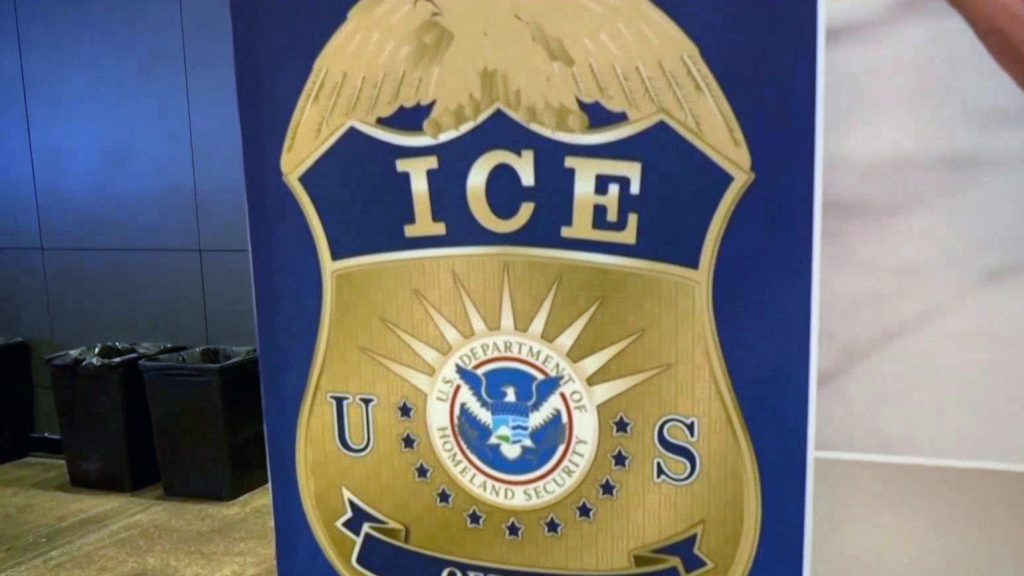
The Kashechewan First Nation has expressed worries about "heightened patrol enforcement measures" by ICE, which they consider a safety concern for any members considering crossing into the United States. Abram Benedict, the Ontario Regional Chief, noted that at least one First Nations man had been detained by ICE and subsequently returned to Canada, with his status card seized. Benedict emphasized that such actions seem to target minority communities, stating, "These are targeting aspects. They are essentially targeting people of minority." He added that the community does not want any of its members to be placed in U.S. detention centers.
Cindy Woodhouse Nepinak, National Chief of the Assembly of First Nations (AFN), highlighted the complex familial and cultural ties that complicate the directive for First Nations members to stay in Canada. She admitted the difficult position arising from the urging of caution while maintaining close ties with their counterparts in the U.S. The AFN has issued a travel advisory that strongly suggests members exercise extreme caution if they choose to enter the U.S.
Woodhouse Nepinak advised First Nations members traveling to the U.S. to carry valid identification, including a status card and Canadian passport, and perhaps a blood quantum letter to prove at least 50% Indigenous ancestry. Similar warnings have been disseminated by the Mississauga First Nation and other Indigenous groups.
The situation is further complicated by historical agreements. Indigenous peoples in Canada possess the right to cross the U.S.-Canada border freely under the Jay Treaty, which was signed in 1794. While the U.S. government recognizes this treaty, Canada does not. Journalist Mark Trahant, a member of the Shoshone Bannock Tribes in Idaho, pointed out that Canada dismisses the treaty as it was made between the U.S. and Great Britain. He cautioned against relying on the Jay Treaty for safe travel, citing recent incidents involving ICE detentions of Indigenous individuals, including a Navajo man who was taken into custody despite carrying official tribal documents that verified his citizenship.
Trahant noted that such situations reflect a troubling inconsistency, as ICE agents may not adhere to their protocols. In light of recent developments, the Assembly of First Nations and other Indigenous communities have echoed the call for safety and awareness among their members as they navigate travel across the border. In response to the concerns raised, Global Affairs Canada has encouraged individuals planning to travel to the U.S. to refer to the Global Affairs website for specific guidance tailored to Indigenous travelers.