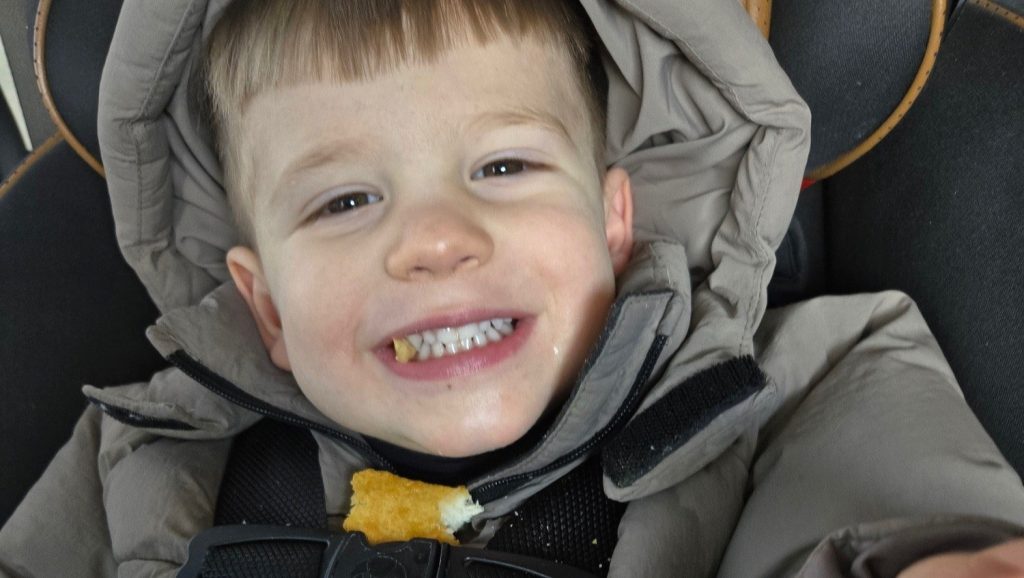
Lucas Azevedo, a four-year-old boy, shares many traits with other children his age—he is active, frequently smiles, and enjoys playing with cars and trains. However, he faces significant challenges, such as difficulty standing unsupported and trouble speaking. The exact cause of these symptoms, which resemble cerebral palsy, remained a mystery for a long time, leaving his parents and physicians perplexed.
In November, a breakthrough occurred when genetic testing at Mackenzie Health in Richmond Hill identified a rare genetic condition as the underlying cause of Lucas's symptoms. Notably, he became only the second child in the world to be diagnosed with this condition, resulting from issues with both copies of his RBM28 gene. While his family found relief in obtaining a diagnosis, it also introduced a new set of challenges due to the condition’s rarity and the lack of research or literature available.
Sophia Azevedo, Lucas's mother, expressed mixed feelings about the diagnosis, stating, “It’s good because we’ve kind of got some answers, but kind of like worst-case scenario. We don’t know what it’s going to do in the future; we don’t know if it’s life-limiting; we don’t know anything.” His father, Victor Azevedo, echoed her sentiments, noting the relief of pinpointing the issue yet acknowledging the stress that comes from not knowing how the diagnosis affects Lucas.

In their search for solutions, the family is learning about a form of gene therapy that may hold promise for Lucas's condition. This therapy, known as Adeno-associated virus (AAV) vector-based gene therapy, utilizes a genetically modified virus to deliver therapeutic DNA into cells. However, expertise in this cutting-edge medical technology is primarily located in the United States, making access challenging for the family.
To develop a customized treatment plan for Lucas, a research study can be initiated through the University of Massachusetts. However, it comes with a steep price tag of approximately US$1.2 million, including over $210,000 required just to commence the process. In an effort to fund this crucial treatment, the Azevedo family launched a Gofundme campaign on January 9, 2023. By January 31, they had raised more than $134,000 through over 700 donations.
“Let’s just do what we have to do to try and get him that treatment, and that’s what all our focus is on,” Sophia stated regarding their efforts. The progressive nature of Lucas’s condition means he has experienced a regression in his ability to stand since he was two years old. Meanwhile, he continues to receive care at SickKids Hospital, undergoing regular physiotherapy for three hours each day, five days a week. His family aims to maintain his functional abilities until a viable therapy option can be developed.