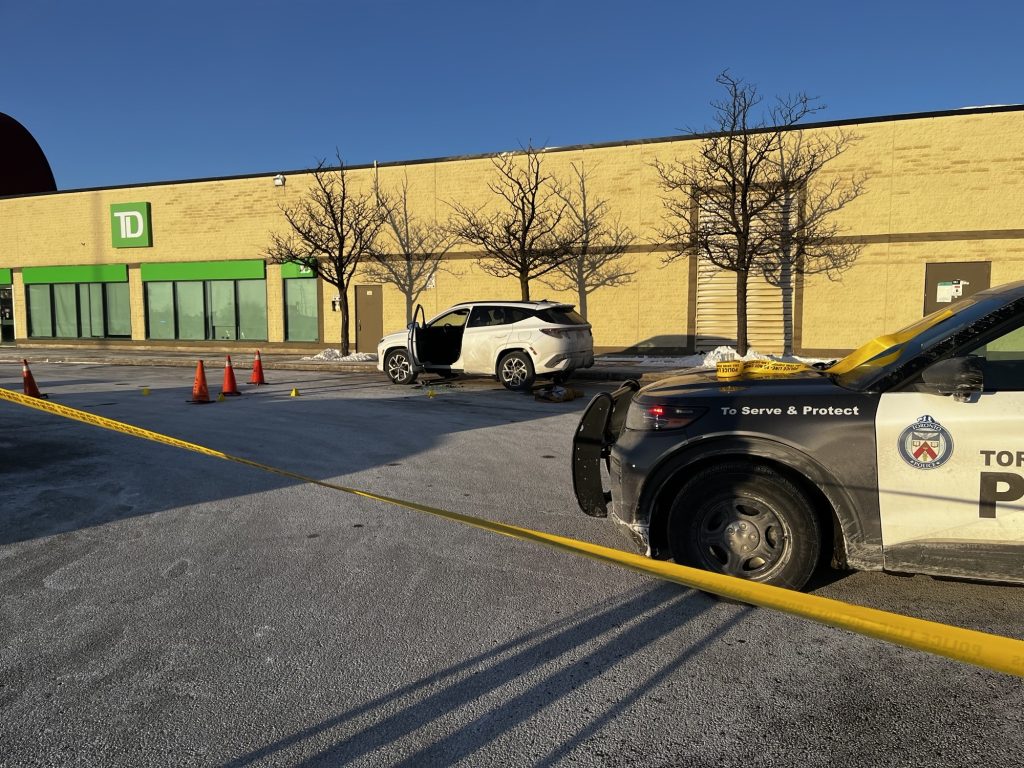
A police oversight body in Ontario is on the verge of facing a significant challenge as it deliberates the initiation of an investigation into alleged corruption within the Toronto Police Service. This comes after the charging of eight current and retired officers in an organized crime investigation, prompting immediate scrutiny regarding potential systemic issues within the police force.
The Ontario inspector general, a newly established independent position responsible for overseeing policing, received a request on Thursday to investigate these allegations. Notably, the case has raised concerns about whether organized crime could have infiltrated the police ranks due to systemic vulnerabilities, according to Kent Roach, a law professor at the University of Toronto and an expert in police inquiries.
Roach emphasized that the questions surrounding these systemic issues are best addressed through a civilian-led investigation. “Most people have probably never heard of the inspector general before,” he noted, highlighting the importance of this investigation as the new institution's inaugural test of its capability to conduct a comprehensive analysis that could restore public trust and recommend necessary reforms.
The criminal investigation, spearheaded by York regional police, has revealed serious allegations including bribery, conspiracy to commit murder, and drug trafficking. Some of the involved officers, primarily lower-ranked constables, stand accused of leaking sensitive information to organized crime, enabling various criminal activities, including shootings and extortion.
Based on historical perspective, the timeline for a resolution could be lengthy, as illustrated by a previous major corruption case involving Toronto drug squad officers which was only resolved in 2015, a full 11 years after the original charges were laid. This underlines the potential for the current criminal trial to extend over several years.
In response to the recent developments, there are growing calls for an independent investigation into the police service. The Ontario Liberal party has urged for a judicial inquiry. Concurrently, both the Toronto police chief and the board chair have requested the inspector general to conduct the investigation, suggesting that it should encompass aspects such as supervision, recruitment, screening, access to police databases, evidence management, and substance abuse.
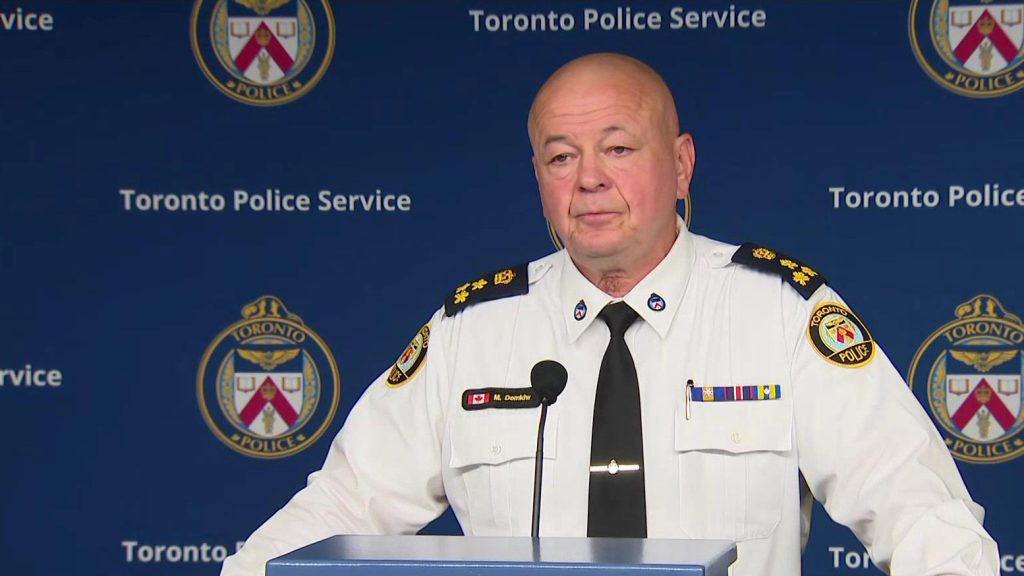
Police Chief Myron Demkiw expressed that while the allegations do not represent the overall police force, they do strike a blow to public confidence in the institution. He acknowledged that organized crime's infiltration into the police service poses dangers that extend beyond the immediate allegations.
Roach asserted the need for a thorough investigation by the inspector general, pointing out that the situation could reflect deeper issues within the police service, rather than merely involving "bad apples." He stressed that without a proactive review, the extent of these underlying problems may remain undiscovered, as the criminal trial process is unlikely to address such systemic issues.
In a statement, Inspector General Ryan Teschner acknowledged the seriousness of the situation and the consequent public trust dilemmas. He confirmed that he is actively considering the request for an investigation and will announce his decision publicly once finalized.
The role of the inspector general emerged from a broad police oversight reform bill passed in Ontario in 2019, designed to address long-standing criticisms of the reactive and fragmented nature of police oversight in the province. This new oversight body is tasked with a proactive role, given the authority to issue binding directions, a capacity that was fully vested only in April 2024.
Since then, Teschner has also issued orders regarding police practices, including a directive against the use of "PepperBall" munitions that resemble paintball projectiles designed to disperse pepper spray, especially given the lack of standardized training for its use among police officers.
Appointed in 2023, Teschner has prior connections to the Toronto Police Services Board and had been involved in reviews of police operations during significant events such as the 2010 G20 summit. Following the recent arrests, Premier Doug Ford defended Teschner's leadership role, dismissing concerns regarding potential biases due to his past associations, while reiterating his strong support for police forces and commitment to accountability for "bad actors." He highlighted that the public largely appreciates the police, suggesting a surface-level confidence in their operations despite the ongoing allegations.