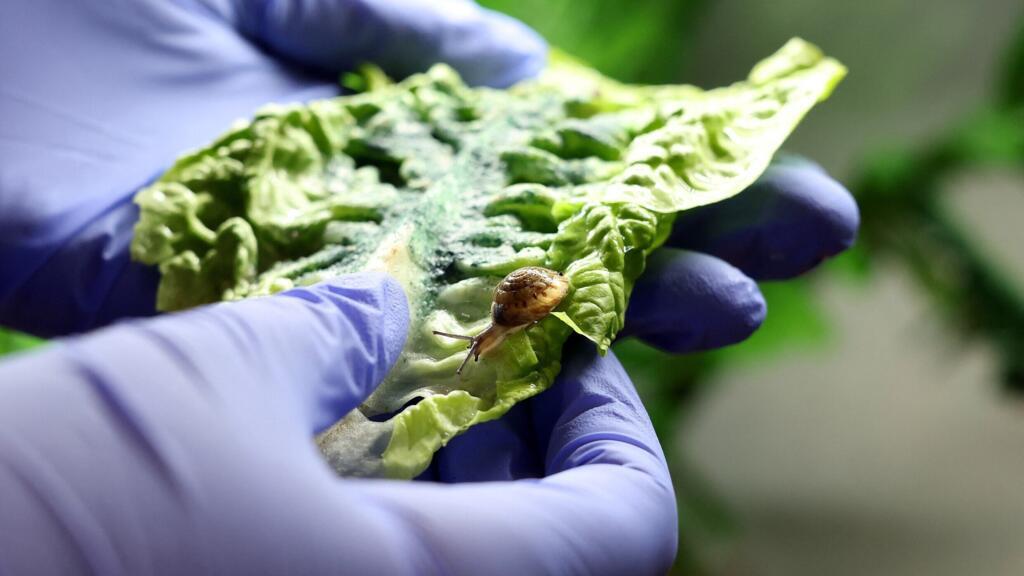
Successful Re-wilding of the Tiny Bermudan Snail
The tiny Bermudan snail, once on the brink of extinction due to several environmental threats, has made a remarkable comeback. This mollusc, native to Bermuda, faced severe challenges including pesticide exposure, habitat loss, and predation from the invasive wolf snail, which is known for its cannibalistic behavior. Conservation efforts over recent years have aimed at protecting this unique snail species and restoring its populations throughout the archipelago.
Recent surveys have revealed that six colonies of the re-wilded Bermudan snail have successfully established themselves in their natural habitat. This positive outcome indicates that the conservation strategies implemented have been effective. The snail has previously been reduced to a mere fraction of its original population, highlighting the grave circumstances that necessitated intervention. Through focused conservation practices, including habitat restoration and predator control, these tiny molluscs are now beginning to thrive once again.
The conservation efforts were spearheaded by a range of stakeholders, including environmental organizations and governmental agencies, that recognized the urgency for saving this distinct species. The integrated approach employed not only involved active monitoring of the snail populations but also strategies to mitigate the impact of pesticides that have historically posed a threat to their survival. Moreover, the management of the wolf snail population has been pivotal in securing a safer environment for the Bermudan snail.
The successful recruitment of the six newly established colonies marks a significant milestone in wildlife conservation in Bermuda. Each of these colonies has shown signs of reproductive success, demonstrating that the re-wilded snails are not just surviving, but are also reproducing in their restored habitats. Reports indicate that these snails exhibit healthy population dynamics, which is crucial for ensuring long-term viability and resilience against future environmental pressures.
This achievement highlights the importance of coordinated and sustained conservation efforts in addressing biodiversity loss. The case of the Bermudan snail serves as an inspirational example of how targeted actions, informed by ecological research and community involvement, can bring species back from the brink of disappearance. The work done to create a conducive environment for the growth of these snails showcases the potential for regeneration in ecological systems that have been previously compromised.
Looking ahead, ongoing monitoring and continued investment in research and conservation measures will be essential. These strategies will ensure that the newfound populations of the Bermudan snail are not only preserved but can also expand further across their native landscapes. Conservationists remain hopeful that further success will follow, encouraging stronger biodiversity not just for the Bermudan snail, but for other species that share this unique ecosystem.
In conclusion, the revival of the tiny Bermudan snail is a testament to the power of conservation science. It emphasizes the necessity for collaboration and commitment to preserving natural heritage. As we celebrate this success, we must also remain vigilant to safeguard these achievements against future threats, securing the future for this remarkable species and maintaining ecological integrity in Bermuda.