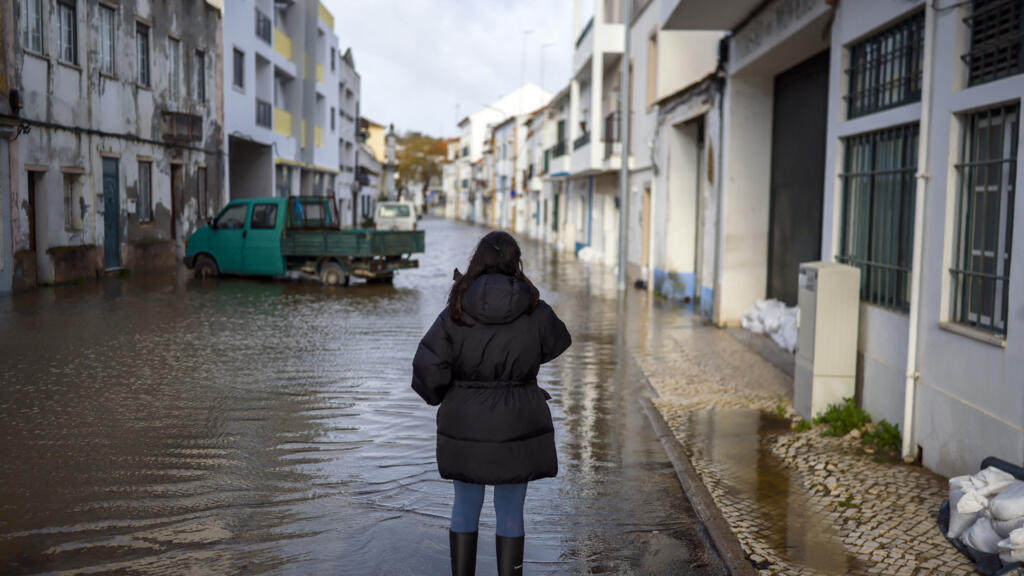
Calls have intensified in Portugal for the postponement of the presidential runoff scheduled for February 8, following the impact of Storm Leonardo, which has resulted in deadly floods, widespread evacuations, and significant disruptions across various regions of the country. The storm has not only caused loss of life but has also severely impacted the safety and accessibility of areas where voters reside, raising concerns about whether the elections can be conducted fairly and securely.
The electoral authorities, however, have stated that they will proceed with the second-round vote as planned, despite the ongoing crisis triggered by the storm. This stance has prompted a debate about the integrity of the electoral process amidst such unprecedented weather conditions. Citizens and various political entities are worried about the implications of holding the elections under circumstances where many potential voters may be unable to reach polling stations due to flooding or other storm-related issues.
Many municipalities have faced severe flooding, forcing local authorities to evacuate residents and manage emergency responses. The adverse weather has not only affected voters but also the infrastructure necessary to facilitate a fair electoral process. As communities grapple with the aftermath of the storm, questions have arisen regarding the preparedness of polling locations and the ability of electoral officials to ensure safe and fair voting conditions.
In light of these developments, opposition parties and civic organizations have echoed calls for the elections to be postponed. They argue that conducting elections under such challenging circumstances could disenfranchise voters, particularly those in the hardest-hit areas. The potential for low voter turnout due to safety concerns has led to further scrutiny of the decision to maintain the original election date.
Social media has also played a role in amplifying voices calling for a delay. Many citizens have expressed their concerns online, sharing personal accounts of the devastation caused by the storm and emphasizing that the focus should be on recovery rather than the electoral process. The urgency of addressing immediate safety and humanitarian needs has become a significant point of contention in the ongoing discussions surrounding the election.
As the date of the runoff draws closer, the tension surrounding the electoral process intensifies. The electoral authorities continue to reaffirm their commitment to uphold the election timeline, highlighting the logistical challenges of rescheduling such a significant event. They have indicated that contingency plans might be in place to assist voters from affected areas, but many remain skeptical about the feasibility of these measures given the scale of the disaster.
In the context of democratic processes, this situation presents a unique challenge for Portugal, reflecting the complexities of governance during times of natural crises. The government is being watched closely, as its decisions will have implications not only for the electoral outcome but also for public trust in the democratic institutions. Stakeholders on all sides will need to balance the ideals of electoral participation with the pressing demands of public safety and welfare in the wake of Storm Leonardo.