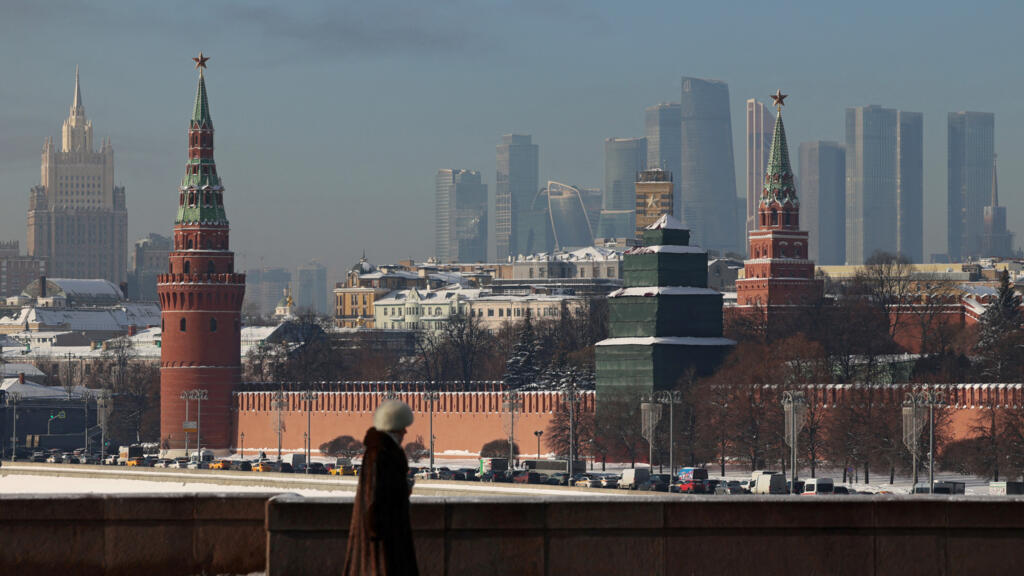
The recent event involving Russian military intelligence officer Lieutenant General Vladimir Alekseyev has raised significant concerns regarding the safety of military officials in Russia. On a Friday, Alekseyev was shot multiple times in Moscow, necessitating hospitalization. This incident reflects a growing trend of apparent assassination attempts targeting Russian military figures following the escalation of conflict in Ukraine.
Since the onset of Moscow's full-scale invasion of Ukraine, there has been an uptick in violence against individuals associated with the Russian military. Several high-profile military figures have reportedly faced assassination attempts, causing alarm within the Russian defense community. The timing of Alekseyev's shooting aligns with this pattern, suggesting that such attacks may be part of a broader strategy to destabilize Russian military leadership during a tumultuous period.
Although there is no immediate confirmation of who is responsible for the attack on Alekseyev, Ukrainian authorities have previously claimed responsibility for several operations targeting Russian military personnel. This claim has intensified the narrative surrounding the conflict, presenting a case of increasing military engagement beyond the battlefield in Ukraine itself.
The motivations behind the recent wave of attacks could be multifaceted, ranging from retaliatory actions against Russian aggression in Ukraine to internal power struggles within the Russian military establishment. The atmosphere of fear and uncertainty surrounding military leadership in Russia is palpable, particularly as the war continues to impact both domestic and international perceptions of Russian military prowess.
Moreover, this incident has drawn attention to the vulnerabilities faced by high-ranking officials, which could potentially lead to a shift in military strategy or a reevaluation of security protocols for those in prominent positions within the Russian armed forces. The implications of Alekseyev's shooting may resonate beyond immediate security concerns, possibly affecting morale and operational effectiveness among troops who look to their leaders for guidance during ongoing conflicts.
As more information unfolds regarding the circumstances surrounding the attack on Lieutenant General Vladimir Alekseyev, the broader implications for Russian military strategy and security remain a critical area of observation. The interconnectedness of these assassination attempts with the larger geopolitical landscape underscores the evolving dynamics of modern warfare and intelligence operations within the Russia-Ukraine conflict.
```