Sean and Heidi Cripe's lives were forever changed by a tragic call from their son's high school informing them that their son, Davis Cripe, was being taken to the emergency room. Nearly a decade ago, Davis, a teenager trying to fit in, consumed an energy drink, which led to severe heart complications and resulted in his untimely death. Despite such tragedies being rare, medical professionals across the country have long warned that energy drinks pose significant health risks to children and teens, including abnormal heartbeats, elevated heart rates, sleep disturbances, dehydration, agitation, high blood pressure, and seizures.
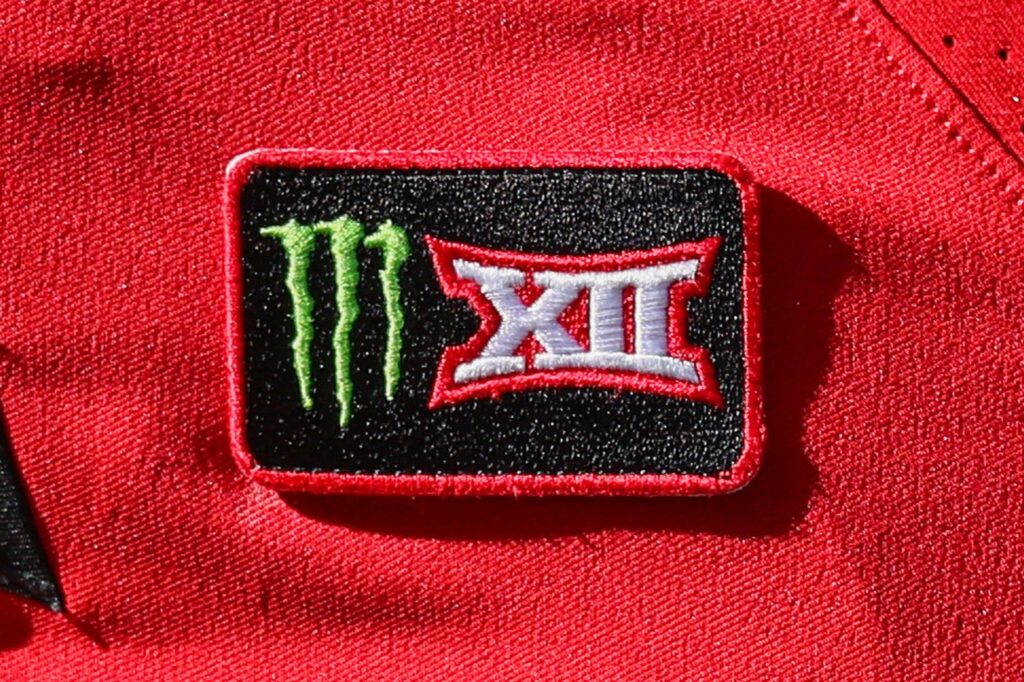
A newly formed coalition of doctors has come together to emphasize these dangers, particularly following a partnership between Monster Energy and the Big 12 Conference, a college athletic organization. They have urged conference leaders to reconsider the sponsorship, and they have also called on the NCAA to evaluate energy drink marketing directed at young audiences. This coalition's advocacy is intensified by the heartbreaking loss of three children, including Davis, who was only 16 years old and from South Carolina.
The coalition is concerned not only about Monster Energy but all energy drinks and similar partnerships that could influence youth. Dr. Matthew Nelson, an Idaho cardiologist involved with the initiative, expressed that young people will inevitably view energy drinks—as promoted by admired universities and athletes—as benign sports drinks, which they are not.
Many medical organizations, including the American Academy of Pediatrics, advocate for a complete avoidance of energy drinks by children and teenagers; however, a significant number of youth still consume them. According to the Monitoring the Future survey results conducted by the University of Michigan, 23% of 12th graders, 20% of 10th graders, and 18% of eighth graders report consuming energy drinks daily. These drinks can contain between 80 to 300 mg of caffeine per serving, a stark contrast to typical coffee servings that average 80 to 100 mg and some sodas that contain 50 mg or less.
The pediatricians recommend that children aged 12 to 18 limit their caffeine intake to no more than 100 mg per day, while younger children are advised to avoid caffeine altogether. Dr. Tamara Hannon, an Indiana pediatrician and chair of the academy's nutrition committee, explained that the effects of caffeine and other stimulants can lead to heightened heart rates and increased nervous system activity, essentially overloading the system. She likened it to running a blender until it overheats, a situation that can occur when stimulants are consumed.
Children with existing health issues, such as high blood pressure, are especially susceptible to the dangers of caffeine. However, even healthy children risk serious problems if they consume excessive stimulants, especially young athletes. Another critical point is that children often mix different caffeinated beverages. In Davis's case, he had consumed a Mountain Dew and a latte before drinking an energy drink, leading to arrhythmia and ultimately, his death. Although he had previously consumed energy drinks, it was not a regular occurrence.
The Cripe family had attempted to educate Davis about the health risks associated with energy drinks but were unaware of their potential lethality. The American Beverage Association, which includes Monster Energy and other brands responsible for 94% of the energy drink market, has stated that its members voluntarily disclose caffeine content on labels and caution that these beverages are not intended for children or sensitive individuals. They also assert that energy drinks have been safely consumed globally for over three decades, with many billions sold.
The partnership between Monster and the Big 12 Conference involves branding displayed on jerseys and across various media platforms, raising concerns about the influence of such marketing on young people. Although the NCAA does not regulate these sponsorship agreements, they provide educational resources about caffeine and student-athlete health and have engaged a cardiac advisory group to examine issues related to caffeine consumption.
To safeguard children, educators and coaches are encouraged to inform them about the dangers of excessive caffeine and clarify the differences between energy drinks and traditional sports drinks, which aim to replenish fluids and electrolytes after physical activity. Adults are also advised to model healthy behaviors by avoiding energy drinks in front of children. Parents should discuss their children's beverage choices during pediatric visits and consider the advice to "Rethink your drink."
Sean Cripe hopes that sharing his family's story will help others understand the risks associated with energy drinks. He emphasizes the importance of using personal experiences to inform and protect young people from similar tragedies.