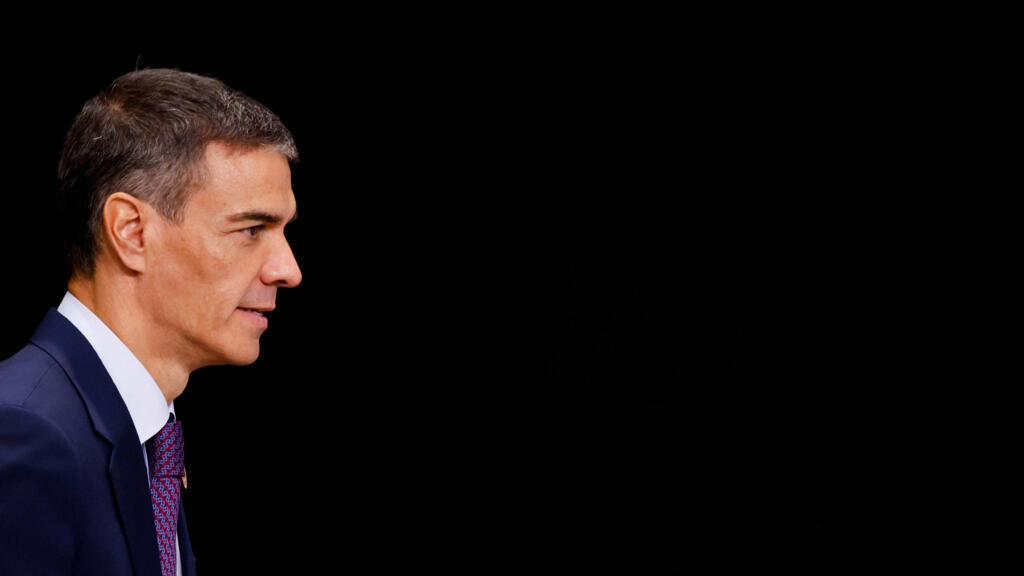
Spanish Prime Minister Pedro Sanchez announced on Monday that the country would hold early elections on November 29. This decision comes as a strategic move amidst growing concerns regarding the popularity of Sanchez's Socialist Party, which is currently trailing in various opinion polls.
The announcement took many by surprise, as it marks a significant shift in political strategy for Sanchez, who has been facing increasing pressure from opposition parties and within his own coalition. The Socialist Party has struggled to maintain its support, particularly in light of economic challenges and public dissatisfaction with certain government policies.
Opinion polls indicate that the Socialist Party has lost ground to the conservative Popular Party (PP) and the far-right Vox party. Recent surveys suggest that the PP is leading with a significant margin, which raises questions about Sanchez's chances in the upcoming election. The political landscape in Spain has become increasingly polarized, with voters split between traditional parties and more radical alternatives.
In response to these challenges, Sanchez's government has attempted to secure its base by focusing on social issues, economic recovery, and climate change initiatives. However, these efforts have not resonated sufficiently with the electorate, leading to concerns about voter turnout and allegiance. The early election call signals Sanchez’s attempt to galvanize support before the situation potentially worsens.
The timing of the election also coincides with critical economic developments that could influence voter sentiment. Spain has been grappling with inflation and the repercussions of the COVID-19 pandemic, which have burdened many households. Economic concerns often play a pivotal role in elections, and the current government’s ability to effectively communicate its achievements may be put to the test in the coming weeks.
As political campaigns ramp up, Sanchez will also have to navigate the complexities of coalition politics. His government is a minority coalition, and the dynamics with other parties—including leftist Unidas Podemos—add layers of complexity to his re-election strategy. The upcoming election will see a battle for not just votes but also the direction of the country in the years to come.
In light of these developments, the potential for a shift in power is significant. The possibility of a coalition government forming post-election remains a focal point of speculation, as various parties seek alliances to achieve a majority. Voter turnout, party strategies, and key issues that resonate with the electorate in the lead-up to November 29 will be crucial in determining the election outcome.
The developments in Spain exemplify a broader trend observed in many democracies where government performance is increasingly scrutinized amid economic hurdles. With the election date set, all eyes will be on how the campaigning unfolds in this politically charged environment.
```