EDMONTON Aengus Bridgman, director of the Media Ecosystem Observatory, highlights the inconsistencies in responses from popular AI chatbots and search engines regarding potential tax changes in an independent Alberta. On different occasions, the AI may indicate taxes could be higher, only to reverse that stance hours later. This variability is due to the changing data used to generate responses and not an alteration in the underlying reality.
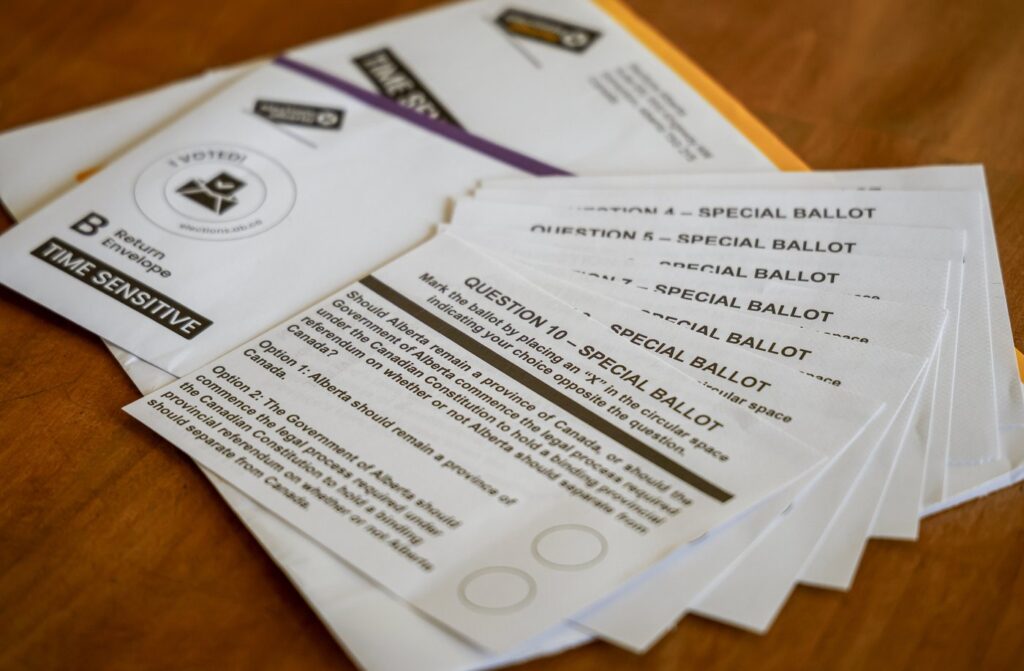
The Ontario-based initiative documented these mixed responses in a recent report, addressing questions such as, "Will my taxes go up?", "Will my pension go up?", and "Is this fiscally advantageous to me?" as Albertans engage in discussions ahead of the October 19 referendum. Voters will be deciding on ten questions, including their preference to remain in Canada or hold a second binding referendum on leaving Confederation.
Bridgman's report emphasizes the significance of this vote as a case study on how AI can shape future elections and influence where people source their news. He notes a growing trend wherein online influencers gain traction and engagement at the expense of traditional news media and elected officials, highlighting a shift in the democratic landscape.
While he acknowledges that social media and AI have invigorated discussions on Alberta's separation, he cautions that the complexity of tracking referendum developments has escalated. The principle of "garbage in, garbage out" reflects concerns over the reliability of information provided by AI tools. Elections Alberta cautions that these AI-driven chatbots and search engines, while popular for information retrieval, often provide incorrect or unofficial election data.
Both OpenAI and Google did not respond to requests for comments on the report. However, an OpenAI spokesperson pointed to a May blog post reiterating the company’s commitment to ensuring its chatbots deliver accurate information during elections. The blog stresses that 2024 marks the second major election year influenced by generative AI, with ongoing efforts to protect electoral integrity globally.
The Media Ecosystem study also revealed an increase in international content regarding Alberta's separation, particularly from the United States, although there is insufficient evidence to announce foreign interference. The report explains that foreign entities are generating content mainly for financial gain, supported by substantial audience engagement, suggesting profitability in this niche.
Despite polls indicating that a significant majority of Albertans wish to remain within Canada, pro-separation influencers dominate the online narrative. Bridgman speculates that this imbalance may stem from a feeling of underrepresentation among separatist voices in more conventional media outlets.
Blair Attard-Frost, a political science professor at the University of Alberta, expresses concern over the increasing influence of AI in the separation debate. She parallels the proliferation of AI technologies with the rise of media literacy initiatives that followed the introduction of search engines. Attard-Frost argues for the urgent need for a new wave of media literacy education to address the misconceptions surrounding AI and its portrayal in the tech market.
Attard-Frost is closely monitoring how current technologies might affect the referendum and Alberta's separation movement's future. She warns that voters could be swayed by incomplete, inaccurate, or misleading information about the potential implications of separatism. This situation raises her unease about the integrity of decision-making processes among the electorate.
In response to concerns about AI-driven misinformation, Alberta Premier Danielle Smith stated that her government is relying on traditional media to communicate crucial information about the referendum. This includes a newly launched ad campaign and informational booklets detailing the referendum questions.
The referendum’s first nine questions focus on granting the government greater authority for constitutional reform and establishing limitations and financial controls around certain newcomers to the province. The final question concerns Alberta's potential separation from Canada.
Alberta's Opposition NDP Leader Naheed Nenshi criticized the government for what he termed a lack of transparency. He used the government booklets as a key example, arguing they present contextually misleading information by emphasizing unverified statistics while omitting essential details regarding temporary residents and their contribution through taxes.
Nenshi asserted that the material presents a biased view and undermines the notion of direct democracy, likening it to propaganda. He condemned the use of taxpayer dollars to fund what he referred to as "garbage" in misleading information dissemination during this pivotal voting process.