ESA Outlines Priorities with Boosted Budget
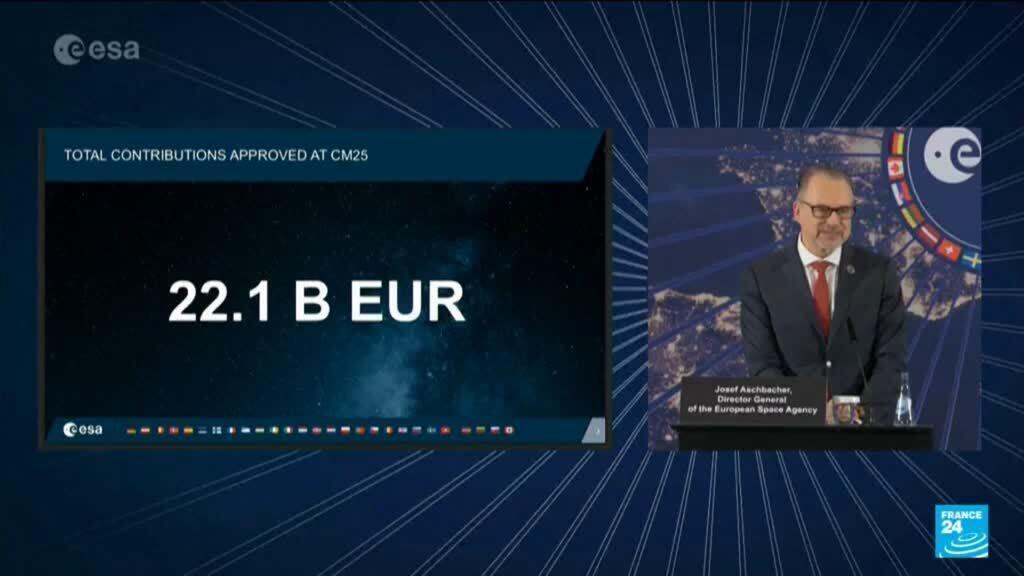
The European Space Agency (ESA) has unveiled its strategic priorities for the upcoming three years, buoyed by a substantial budget of €22.1 billion contributed by its member states. This significant funding increase reflects a collective commitment to advancing Europe’s position in the global space arena. The tri-annual meeting convened in Bremen, Germany, where ministers from all ESA member countries gathered to deliberate on which space programs to support and the allocation of financial resources.
The gathering is critical, as it determines the trajectory of Europe’s space exploration, scientific research, and technological advancements over the next three years. The ESA leadership aims to bolster collaborative projects that enhance the agency's capabilities and foster innovation, with a particular focus on sustainability, climate monitoring, and space exploration initiatives.
Among the key focus areas outlined during the meeting were the development of next-generation satellite technologies, enhanced Earth observation capabilities, and an emphasis on manned space missions. As part of its commitment to tackling climate change, ESA plans to invest in projects that improve satellite-based monitoring of environmental changes and natural disasters, making it easier to understand and respond to global challenges.
An important aspect of the discussions was the need for Europe to maintain its competitive edge in space exploration. With rising investments from countries such as the United States and China, the ESA is looking to foster partnerships that enhance its mission objectives. Collaborative initiatives with global space agencies and private entities are set to be vital components of ESA’s strategic framework, as they diversify funding sources and expand operational capabilities.
Furthermore, the meeting highlighted the significance of advancements in space technology, particularly in satellite communications, navigation, and Earth sciences. ESA is keen on enhancing its satellite systems to offer better services to its member states and global partners, thereby reinforcing Europe’s strategic autonomy in space.
The ministers also discussed the importance of public engagement and education in promoting space sciences. In order to inspire future generations, ESA plans initiatives aimed at increasing interest in STEM (science, technology, engineering, and mathematics) fields among young people. By fostering a passion for space exploration and technology, ESA hopes to cultivate talent that can contribute to the evolving landscape of space science and engineering.
As the meeting concluded, there was a palpable sense of optimism about Europe’s potential in the expansive domain of outer space. The commitment to a robust budget and collaborative efforts across nations signals a united front in the pursuit of ambitious space exploration goals. The next three years will be crucial for ESA as it implements its outlined strategies and endeavors to achieve its objectives in the face of rising international competition.
Overall, ESA’s tri-annual meeting embodies the spirit of cooperation and ambition among European nations, paving the way for a bright future in space science and exploration. With a clear agenda and solid financial backing, ESA is poised to make significant strides in advancing humanity’s understanding of space and its applications on Earth.