LinkedIn Faces Bias Concerns and Discusses Competition in the Workplace
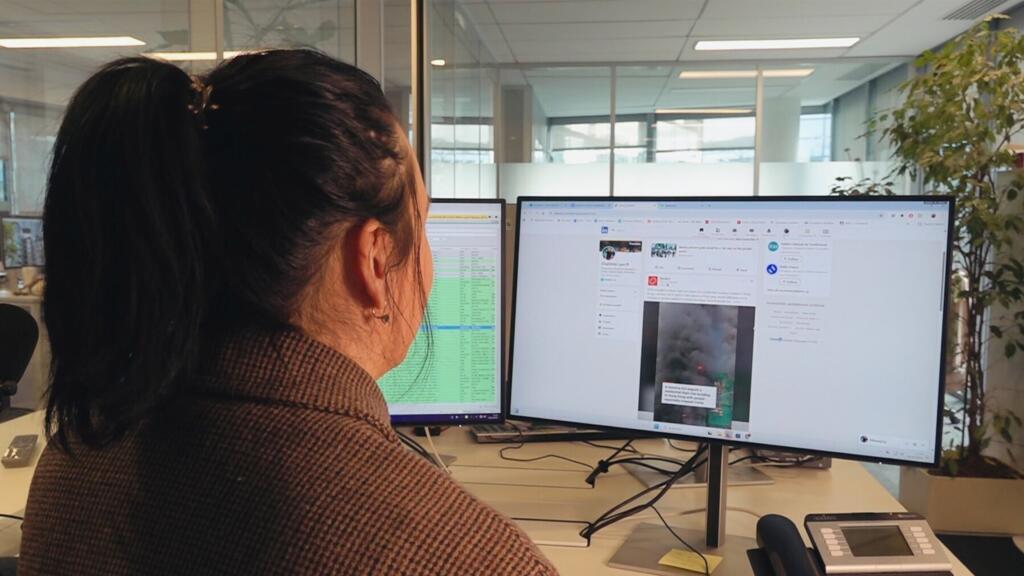
LinkedIn, a leading professional networking platform, has recently come under scrutiny following the results of an experiment that unveiled potential bias against women within its operations. This revelation has raised significant concerns about equity on a platform designed to foster professional connections and opportunities. Users and stakeholders are now questioning how bias may affect job postings, hiring practices, and overall user experience, particularly for women seeking advancement in their careers.
In the era of heightened awareness around diversity and inclusion, such findings are particularly troubling. LinkedIn's initial mission to empower professionals would be undermined if systemic biases hindered the experiences of half the workforce. As the company navigates this challenging landscape, it will be crucial to develop strategies aimed at eliminating bias and fostering an inclusive environment for all users.
Beyond the issue of bias, the discussion of competition permeates various facets of our lives, including the workplace. Is competition a necessary element for success, or can collaboration yield better outcomes for individuals and organizations? Annette Young engages with Ruchika Malhotra, an author who delves into these very questions in her latest publication, "Uncompete: Rejecting Competition to Unlock Success." Malhotra advocates for a paradigm shift, urging professionals to rethink the commonly held belief that competition is essential for achievement.
In "Uncompete," Malhotra proposes that by rejecting competition, individuals can create a more supportive and collaborative work environment. She argues that fostering relationships based on cooperation rather than rivalry can lead to greater innovation and overall success. This perspective invites professionals to consider the benefits of collaboration in their daily routines and workplace dynamics, potentially leading to enhanced creativity and productivity.
In addition to the discussions around bias and competition, the countdown is on for French astronaut Sophie Adenot, who is slated to head to the International Space Station (ISS) in the coming months. As a member of the European Space Agency's astronaut corps, Adenot's upcoming mission signifies an important milestone not just for her career but also for the representation of women in STEM fields. Her journey to the ISS exemplifies the strides being made towards inclusivity in space exploration, encouraging future generations of female scientists and engineers to pursue their dreams.
Adenot's mission reflects the broader efforts to include diverse voices in scientific communities and explore the cosmos. As the world eagerly anticipates her mission, her achievements serve as an inspiration, proving that women can excel in historically male-dominated fields. The significance of her journey resonates far beyond the limits of Earth, symbolizing progress and hope for equality in science and technology.
As we navigate these complex themes of bias in professional networking, competition, and representation in science, it becomes evident that a collective approach—one that promotes equity, collaboration, and inspiration—may foster more successful and fulfilling environments. Moving forward, both individuals and organizations must engage with these issues thoughtfully to create spaces where everyone has the opportunity to thrive.