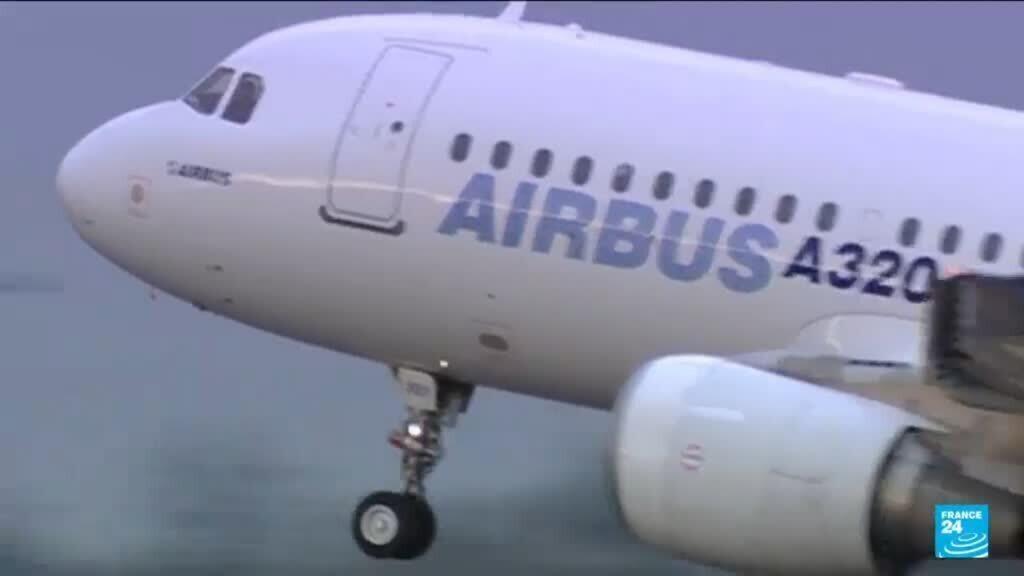
Airlines globally faced significant disruptions as numerous flights were canceled or delayed in preparation for software updates on the Airbus A320 family of aircraft. This initiative comes in response to a recent analysis indicating that computer code errors could have played a role in a concerning incident involving a JetBlue plane last month. The investigation revealed a potential correlation between intense solar radiation and the corruption of critical data that governs the flight controls of these aircraft.
On Friday, Airbus communicated the findings of their examination regarding the JetBlue incident. The company reported that intense solar radiation could impact the reliability of data essential for the functioning of flight controls. This revelation has sparked a wave of precautionary measures among airlines operating the A320, one of the most widely used commercial aircraft in the world.
As a result of the analysis, airlines prioritized the safety of passengers and crew members, leading to the decision to implement immediate software fixes. Airports across multiple regions experienced significant operational challenges, with airlines rescheduling flights and managing passenger accommodations amid the disruptions. This situation highlighted the importance of rigorous safety protocols and responsive measures in aviation, particularly given the critical role of technology in modern flight operations.
In light of these developments, many airlines are expected to cooperate with Airbus to ensure that the necessary software changes are applied effectively. The collaboration aims to reinforce the safety and reliability of the A320 fleet, minimizing the risk of similar incidents in the future. The response from the aviation industry underscores the ongoing commitment to prioritize the safety of all stakeholders involved in air travel.
Moreover, the implications of this situation extend beyond immediate flight scheduling challenges. Passengers have expressed concerns about the reliability of air travel, emphasizing the need for transparency and communication from airlines regarding safety measures. As the industry navigates these technological challenges, it remains critical to maintain passenger trust and confidence in aviation safety standards.
In summary, the recent software issues identified in the Airbus A320 family not only led to operational disruptions but also highlighted the broader challenges faced by the aviation industry in an increasingly technology-dependent environment. With advancements in aircraft technology come potential vulnerabilities, and it is essential for manufacturers and airlines to stay vigilant and proactive in addressing these concerns. The aviation community is now tasked with ensuring that such incidents do not recur, reinforcing the necessity for continuous improvement in safety protocols and maintenance practices.