Vladimir Kara-Murza's Allegations Against Vladimir Putin
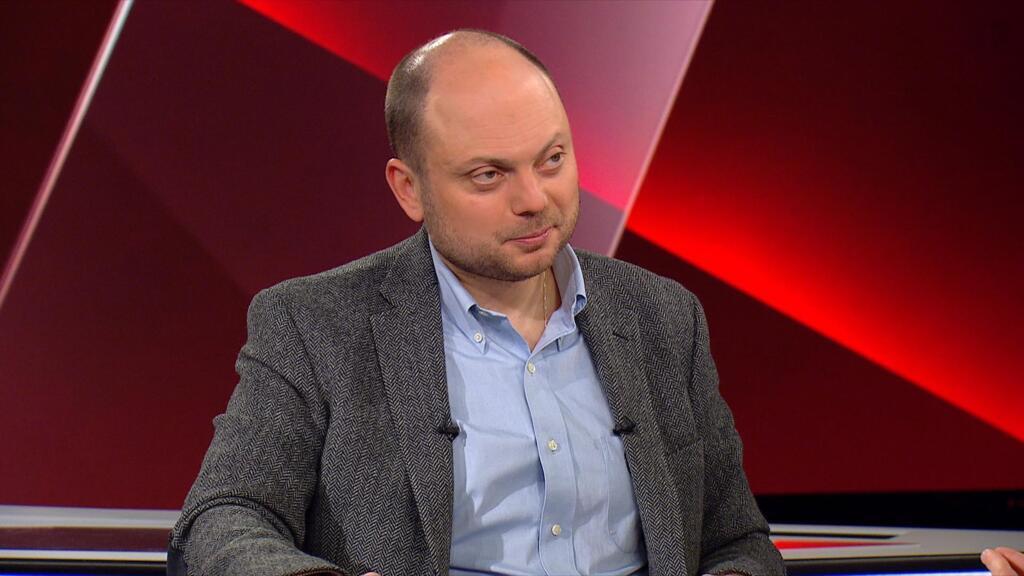
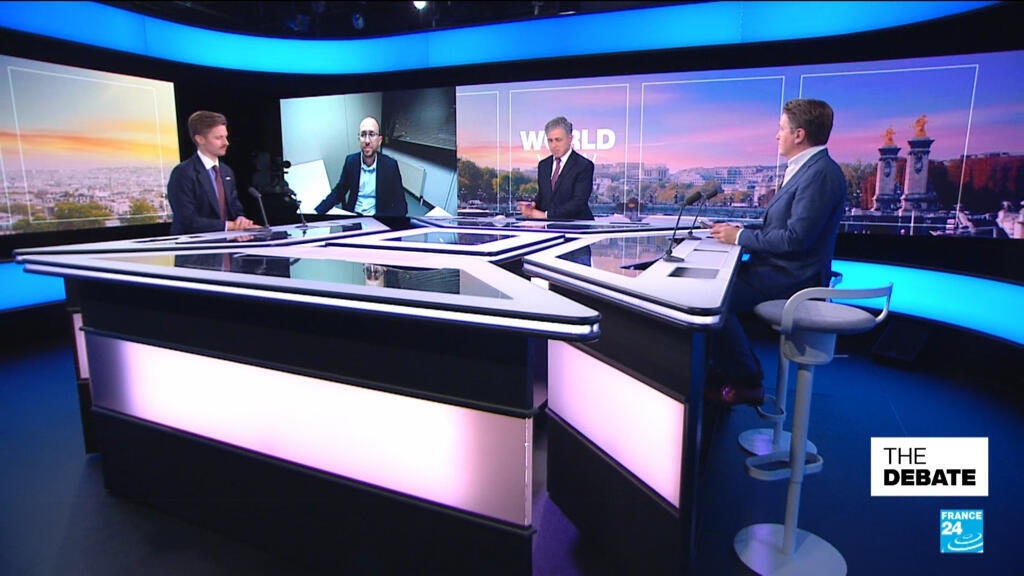
In a recent interview with FRANCE 24, Vladimir Kara-Murza, a prominent Russian opposition figure, shared his harrowing experiences and bold allegations against Russian President Vladimir Putin. After enduring two suspected poisoning attempts and spending two and a half years in prison, Kara-Murza was released in a prisoner swap in 2024. His journey has marked him as a significant voice in the fight against the current regime in Russia, and his claims provide a stark critique of Putin's leadership.
Kara-Murza did not shy away from labeling Vladimir Putin as "not only a dictator" but also "a murderer in a very direct and literal sense of this term." His assertion has raised eyebrows and ignited discussions around the extent of political repression in Russia. The opposition figure's allegations are backed by the tragic history of political figures in Russia, notably the assassinations of Boris Nemtsov and Alexei Navalny. He accused Putin of orchestrating these killings to eliminate threats to his power, thereby illustrating a culture of fear and violence that permeates the Russian political landscape.
Survival and Political Activism
Kara-Murza's survival against two poisoning attempts highlights the perilous conditions faced by Russian opposition activists. These incidents underscore the dangers that political dissenters encounter in a regime characterized by its intolerance to opposition. His experience not only marks a personal struggle but also symbolizes the broader challenges that many activists face in standing against Putin's government.
Having spent years advocating for democratic reforms and human rights in Russia, Kara-Murza’s activism has been motivated by a sense of duty to challenge the autocracy. His imprisonment for two and a half years is a testament to the lengths to which the regime will go to silence dissent. The 2024 prisoner swap that led to his release was a significant moment, reflecting both the international debate over the treatment of political prisoners in Russia and the ongoing efforts of the opposition to rally international support against the regime's authoritarian practices.
The Broader Implications
The gravity of Kara-Murza's statements extends beyond individual cases and speaks to the broader implications of Putin's presidency. By accusing the Russian leader of murder, Kara-Murza sheds light on the systemic issues within the political structure, where dissent is met with lethal force. This environment has stifled political pluralism and incited fear among those who consider challenging the status quo.
The allegations against Putin also resonate with a growing body of evidence suggesting a pattern of political repression and extrajudicial actions taken to eliminate opposition figures. Such claims force the international community to re-evaluate its relationship with Russia, especially in light of human rights violations and the lack of accountability for political crimes.
Conclusion
Vladimir Kara-Murza's interview serves as a critical reminder of the ongoing struggles faced by those opposing Vladimir Putin’s regime. His accusations against the president serve not only to illuminate the harsh realities of political activism in Russia but also to call for accountability in a landscape fraught with violence against dissenters. As the international community grapples with these revelations, the fight for democracy and human rights in Russia continues to be a pressing global issue.