Belarus Releases Political Prisoners Amid Sanction Negotiations
In a significant development in Belarusian politics, President Alexander Lukashenko announced the release of 123 prisoners on Saturday. This decision comes as part of a diplomatic negotiation process that included discussions with an envoy representing former U.S. President Donald Trump. While the terms of the negotiations have not been made fully public, it has been reported that the lifting of certain U.S. sanctions on Belarusian exports was a central theme during the talks.
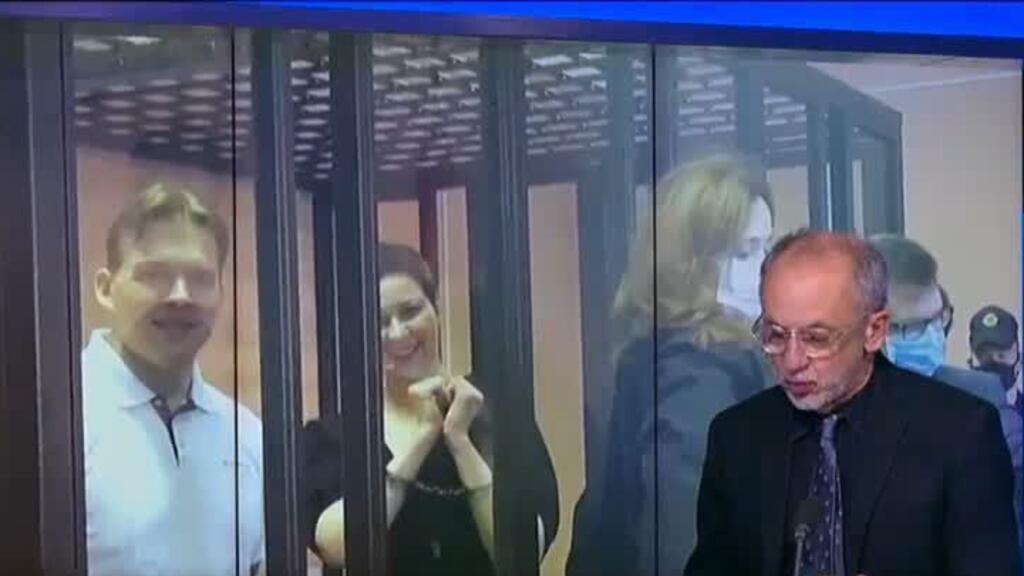
Among those released were several high-profile political prisoners, including Ales Bialiatski, a Nobel Peace Prize laureate and a prominent human rights activist, as well as Maria Kalesnikava, a leading figure in the Belarusian opposition movement. Their releases have been met with widespread acclaim from international human rights organizations and advocates for democracy, who have long called for the end of political repression in Belarus. The negotiations that led to these releases reportedly lasted two days, suggesting intense discussions and perhaps concessions made on both sides.
The backdrop to this development is the ongoing political unrest in Belarus, which has been marked by widespread protests against Lukashenko’s rule following the controversial presidential election in August 2020. Many Belarusians and international observers criticized that election, alleging widespread fraud and repression of dissent. In response, the Lukashenko government implemented a rigorous crackdown on opposition members, activists, and independent journalists, leading to thousands of arrests and detentions.
By freeing Bialiatski and Kalesnikava, Lukashenko appears to be attempting to ease some international tensions and showcase a willingness to engage constructively. This move may help in re-establishing diplomatic ties, which have been strained due to various allegations of human rights abuses and state-sponsored violence against protesters in Belarus.
The release of these political prisoners might influence perceptions of the Lukashenko regime both domestically and internationally. By allowing these figures to return to their communities, the government could be trying to reduce international criticism and open the door for future negotiations regarding economic sanctions. However, critics argue that the release of a limited number of prisoners does not address the systemic issues of human rights violations and authoritarian governance in Belarus.
Additionally, the timing of the negotiations and subsequent prisoner releases may indicate a shift in international diplomacy regarding Belarus. With the U.S. administration changing and a focus on foreign policy realignment, Lukashenko’s strategic release of prisoners could be an attempt to gain leverage and support from the West. The world will be watching closely to see how this situation evolves and whether it leads to broader changes in Belarusian policy or governance.
In conclusion, the release of Ales Bialiatski, Maria Kalesnikava, and other prisoners symbolizes a pivotal moment in Belarusian affairs. It underscores the complexities of negotiating international relations based on human rights developments while providing a potential pathway toward alleviating the economic pressures of sanctions. However, the long-term implications will depend on the government's willingness to commit to genuine reform and increased respect for fundamental human rights.