On Monday, President Donald Trump initiated a lawsuit against the British Broadcasting Corporation (BBC), seeking damages of $10 billion. The lawsuit accuses the broadcaster of defamation and engaging in unfair and deceptive trade practices. In a 33-page document, Trump claims that the BBC aired a "false, defamatory, deceptive, disparaging, inflammatory, and malicious depiction" of him, asserting that this portrayal was an attempt to influence the upcoming 2024 U.S. presidential election.
The essence of the lawsuit revolves around an edited clip from Trump's speech on January 6, 2021. According to the legal filing, the BBC allegedly "spliced together two entirely separate parts" of this speech, which took place before some of his supporters stormed the U.S. Capitol during Congress's certification of President-elect Joe Biden's victory. Trump argues that this manipulation intentionally misrepresented his words, with the broadcaster omitting parts of his speech where he encouraged supporters to demonstrate peacefully.
The BBC has not publicly responded to the lawsuit but had previously apologized to Trump last month for the editing error in the documentary titled "Trump: A Second Chance?" aired shortly before the 2024 election. Despite the apology, the BBC firmly rejected the notion that it had defamed the president and stated that the criticism he faced was part of the broadcaster's commitment to impartiality, a key component of its charter.
The edits in question edited together three quotes from Trump's speech, delivered almost an hour apart, creating the impression that he was urging his supporters to "fight like hell." By excluding statements that called for peaceful demonstrations, the BBC sparked outrage from Trump and potentially others who viewed the segment as an unfair mischaracterization of his sentiments.
BBC Chairman Samir Shah classified the editing error as an "error of judgment," leading to the resignations of high-ranking executives at the network, including the head of news. The controversy underscores the challenges faced by the BBC, which operates as a publicly funded institution in the U.K., accountable to both viewers and the regulatory framework which mandates that it remain neutral in political matters.
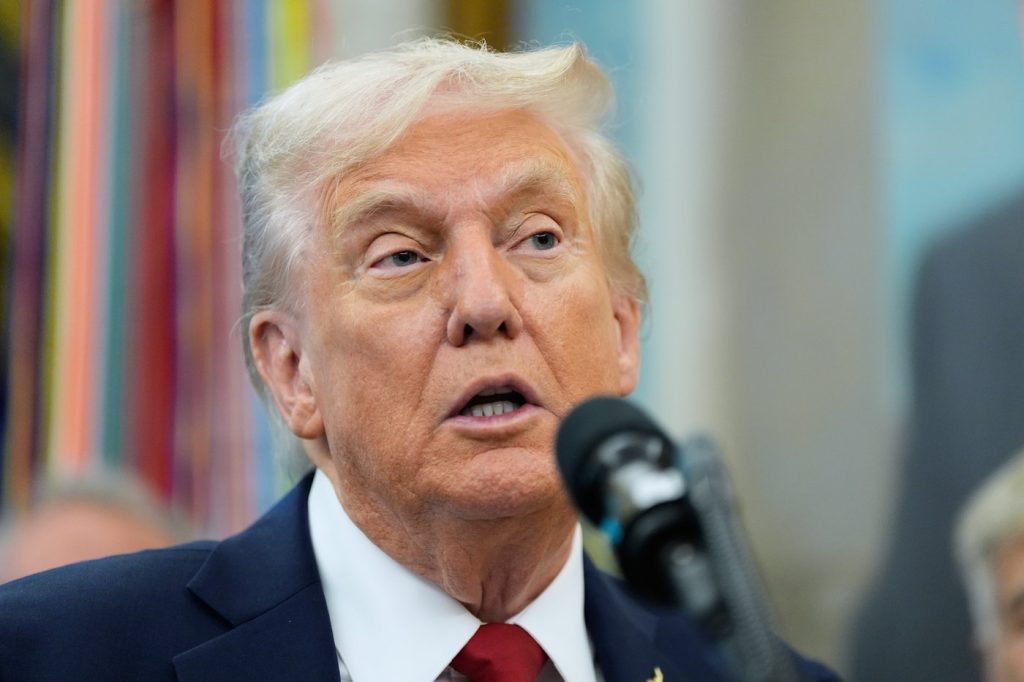
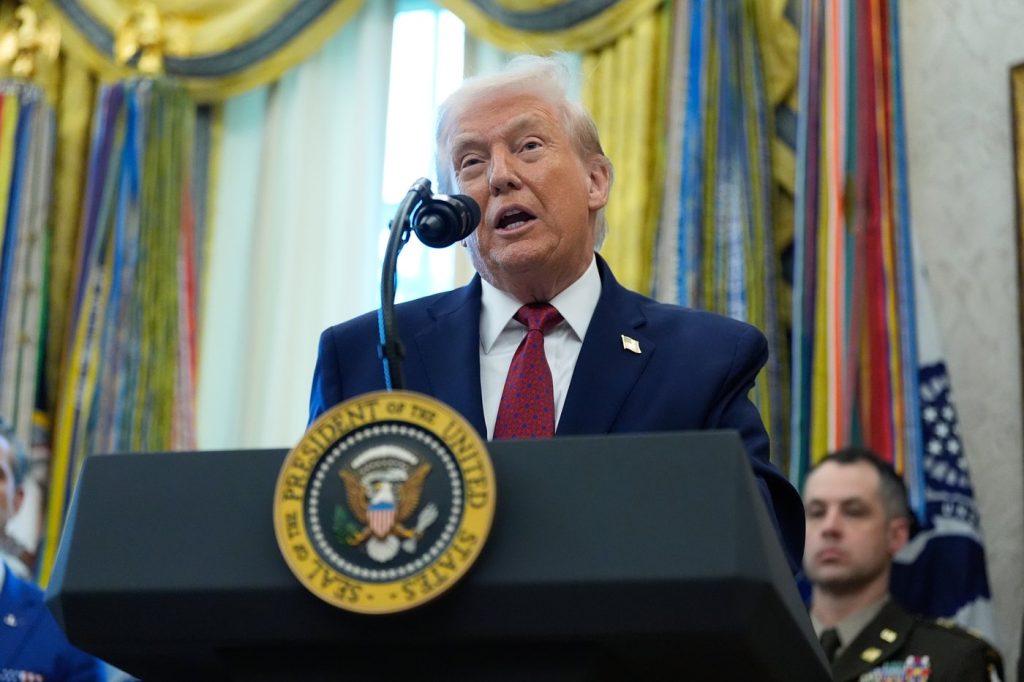
Trump expressed his discontent with the BBC's portrayal during an appearance in the Oval Office, claiming the broadcaster "put terrible words in [his] mouth" concerning the January 6 events. He emphasized that these words were misrepresentative of what he communicated, asserting that the omitted sections were indeed "beautiful words" that reflected his views on patriotism and positive actions.
This lawsuit is filed in Florida, given that the deadlines for pursuing legal action in British courts have lapsed more than a year ago. Legal analysts have pointed out potential obstacles that Trump may face, considering that the controversial documentary was not broadcast within the United States. However, the lawsuit posits that U.S. audiences can still access the BBC’s material via streaming platforms such as BritBox.
Founded in 1922, the BBC operates on an annual licensing fee model, with households required to pay £174.50 (approximately $230) for the right to watch live broadcasts or BBC-produced content. The organization is regularly scrutinized by both sides of the political spectrum in the U.K., bringing further complexity to the claims brought forth by Trump.