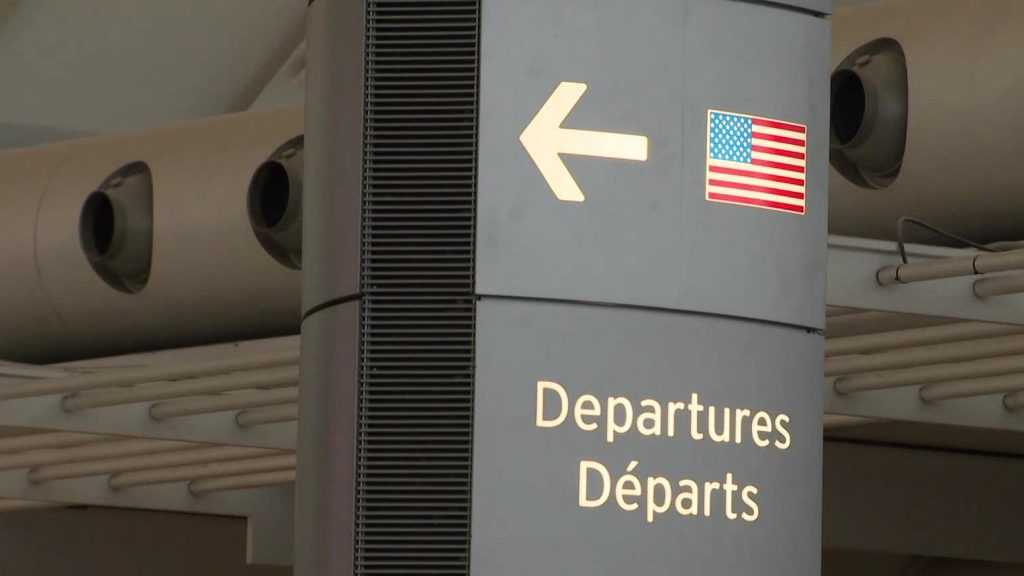
Traditionally, many Canadians have flown south to the United States for holiday breaks, seeking warmth away from the snow. However, recent trends indicate a significant shift in Canadian travel habits, driven by various socio-economic factors and political issues affecting relations with the U.S.
Local travel agencies report a notable increase in Canadian travelers choosing destinations outside of the United States. Destinations in the Caribbean and Europe are witnessing a surge in popularity, with many travelers willing to embark on longer journeys to enjoy an extended vacation. This change is coupled with a weak Canadian dollar and concerns over political climate and border relations, causing many to reconsider their travel plans.
Anita Emilio, General Manager of Flight Centre Canada, has pointed out that there has been a dramatic 40 percent decrease in travelers heading to the U.S. Emilio notes that airlines have responded to this dwindling demand by redirecting flights from U.S. routes to alternative destinations. This shift exemplifies a growing inclination among Canadians to seek stress-free travel experiences in locations where they feel secure and where their currency offers better value.
The latest data from Flight Centre highlights the Turks and Caicos, Saint Lucia, and Japan as the top emerging destinations among Canadian travelers. Additionally, there has been a rise in domestic travel within Canada, as individuals explore Western and Eastern regions of their own country. This trend indicates a desire to find fulfilling travel experiences closer to home while bypassing the challenges associated with U.S. travel.

Efforts from the U.S. side to regain Canadian travelers have been multi-faceted, with American destinations at both state and city levels launching initiatives to appeal to this vital market. According to travel expert Amir Elyon, Canadians represent one of the largest groups of international visitors to the U.S., contributing significantly to tourism revenue. He emphasizes the importance of Canadian visitors for the economic landscape of U.S. tourism, highlighting billions of dollars in potential visitor spending that has not been realized recently.
In discussions with travelers at Pearson Airport, opinions on the shift in travel preferences were mixed. One traveler expressed a reluctance to support a nation they perceive to be in economic conflict with Canada, choosing to allocate their vacation funds elsewhere. Conversely, another traveler who is a dual citizen noted that although they frequently visit family in the U.S., they consciously choose to boycott various aspects of the American experience.
Looking forward, Flight Centre anticipates that this trend of diverging travel choices among Canadians will persist. Their market surveys and UGov data suggest a long-term preference for exploring destinations beyond the U.S. Travelers are already booking warm-weather escapes from January through March, as well as planning overseas vacations to Asia and Europe for the summer months ahead.