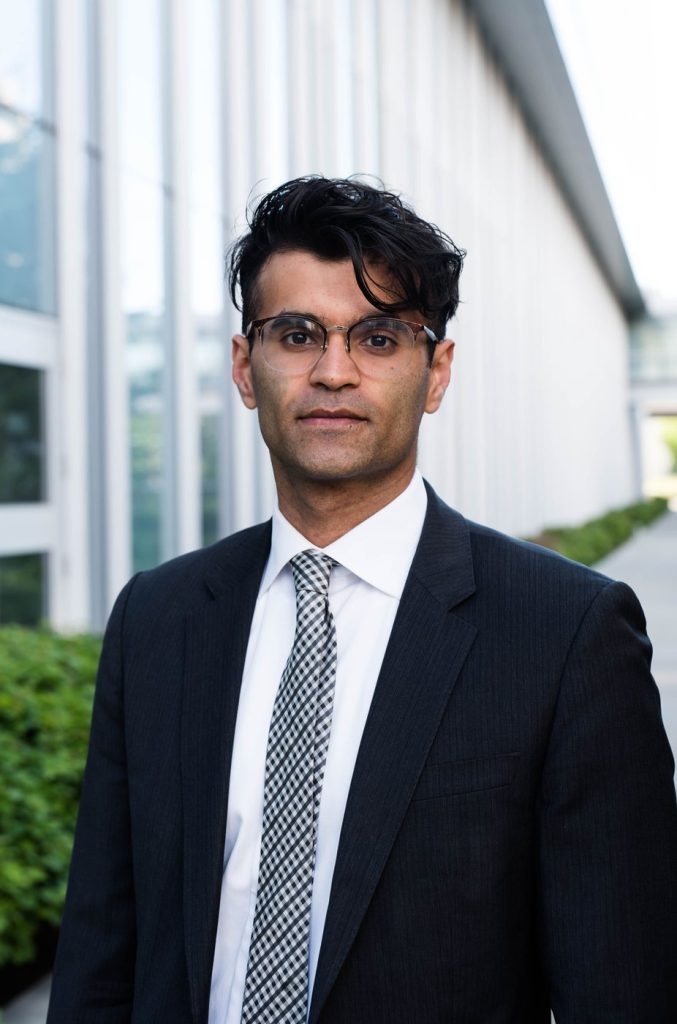
EDMONTON — Alberta's Court of Appeal has ruled that the requirement for prospective lawyers to swear an Oath of Allegiance to the reigning monarch is unconstitutional and infringes upon religious freedom. This landmark decision was made in the case of Prabjot Wirring, who has been challenging this requirement against the province and the Law Society of Alberta for several years.
The court identified that the condition of swearing an allegiance to the reigning monarch forced Wirring to choose between his faith as an amritdhari Sikh and his desire to practice law in Alberta. The ruling articulated that the Oath of Allegiance, which requires commitment to "bear true allegiance" to the monarch, violates the Charter right to religious freedom.
Wirring had previously sworn allegiance to Akal Purakh, the Creator in Sikhism, and thus found himself unable to profess loyalty to any other entity, including the reigning monarch, to fulfill the requirements to become a lawyer. The challenge he initiated in June 2022 led to a considerable legal debate, culminating in a decision announced on October 2024, wherein a three-judge panel of the Appeal Court declared the Oath of Allegiance unconstitutional and no longer a requirement in Alberta.
The court highlighted that the existing oath could potentially deter candidates with religious objections from pursuing membership in the Alberta bar, consequently diminishing its representativeness. Following the ruling, the Alberta government has a period of 60 days to request a hearing from the Supreme Court of Canada to contest the Appeal Court's decision.
Heather Jenkins, a spokesperson for the Alberta justice minister’s office, indicated that the government is reviewing the decision and refraining from commenting as the matter remains ongoing in the courts. It’s important to note that this ruling does not affect the two other oaths necessary to enroll in the Law Society of Alberta, which do not include the term "allegiance."
In previous legal examinations, a judge had concluded that Wirring could still swear the oath under the notion of providing allegiance to the rule of law instead of to a specific entity like the monarch; however, the Appeal Court corrected this interpretation, emphasizing that Wirring could not swear allegiance to anything other than Akal Purakh.
Despite the ruling, Wirring had already become a member of the Law Society of Alberta in 2023 by transferring from Saskatchewan, utilizing a new interprovincial licensing process that was initiated several months after his challenge. Currently, he is actively practicing law, although the court deemed it necessary to address the oath requirement as a matter of public significance, since individuals who are not yet members of the law society, like articling students, may lack the financial means to pursue a Charter challenge in court.
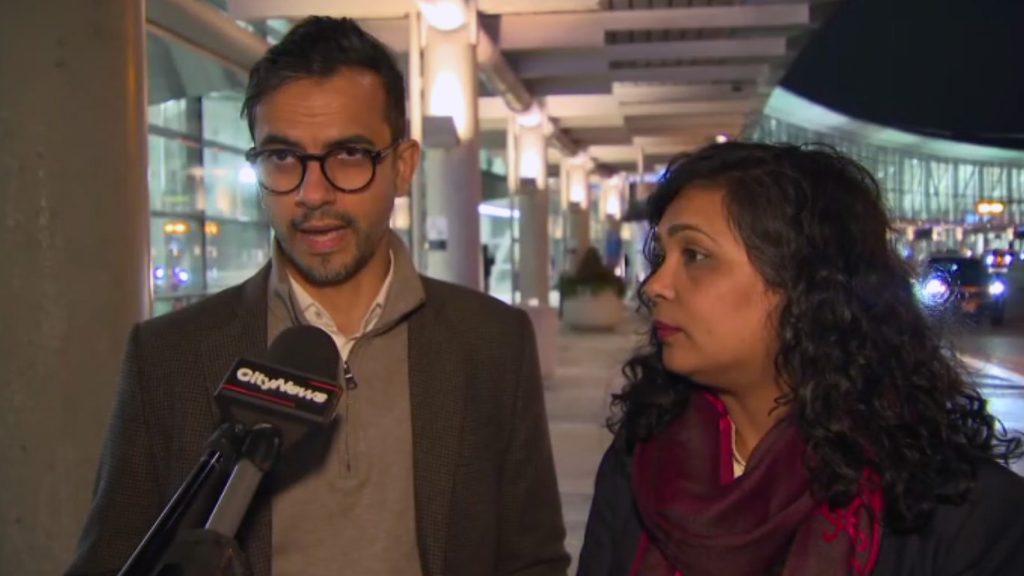
In an interview, Wirring elaborated on his unique religious objections to the Oath of Allegiance. He also noted hearing from other individuals, including Sikh lawyers, Indigenous students, and racialized individuals, about their negative experiences regarding the oath. The Appeal Court suggested that Alberta could consider various remedies to this issue: making the oath optional—similar to practices in Nova Scotia, New Brunswick, Yukon, and Ontario; abolishing the requirement, as has been implemented in British Columbia, Prince Edward Island, and Saskatchewan; or revising the language of the oath itself.
This significant ruling could reshape the legal landscape in Alberta, promoting greater inclusivity within the legal profession and potentially influencing similar cases nationwide.