EU Expands Sanctions on Russia's Maritime Operations
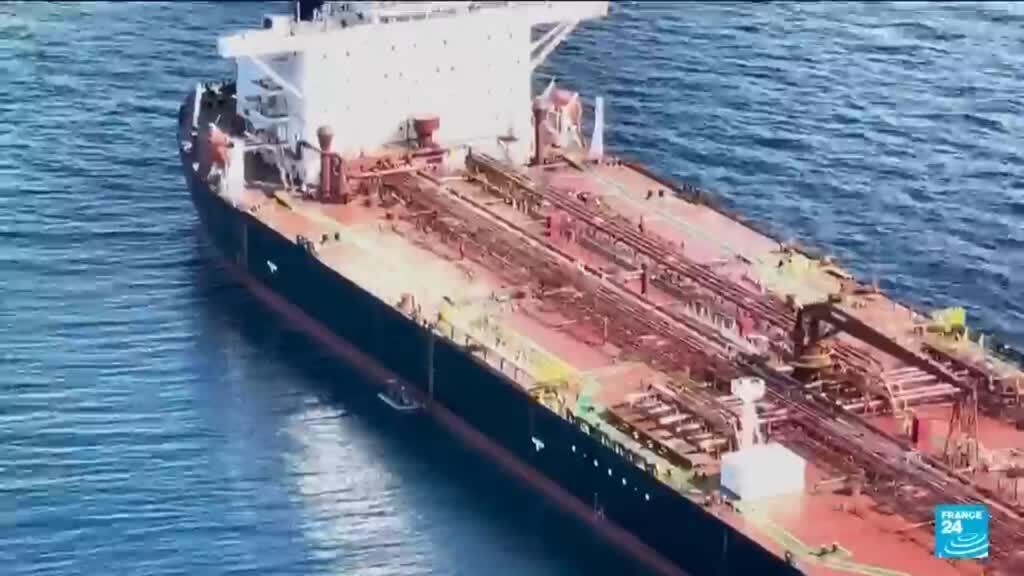
On Thursday, the European Union (EU) announced the imposition of sanctions on an additional 41 ships linked to Russia's shadow fleet, raising the total number of designated vessels to nearly 600. This move marks the EU's ongoing efforts to increase pressure on Russia in response to its actions, particularly in the context of the ongoing geopolitical tensions stemming from the conflict in Ukraine.
Since the beginning of the conflict, the EU has implemented a total of 19 packages of sanctions aimed at crippling Russia’s economy and diminishing its ability to continue its military operations. While these measures have been expansive, Moscow has shown a remarkable ability to adapt and continue operations, particularly in the energy sector. Reports suggest that Russia is still managing to sell millions of barrels of oil, primarily to countries like India and China, although at prices significantly discounted compared to global market rates.
The sanctions targeting the shadow fleet are part of a broader strategy by the EU to disrupt the maritime operations that support Russia’s oil exports. By designating specific vessels, the EU aims to isolate these ships from global shipping lanes, thus complicating Russia's logistics and increasing the operational costs associated with its oil trade. This latest round of sanctions not only adds to the pressure on Russia but also demonstrates the EU's commitment to enforcing its sanctions framework rigorously.
Despite the sanctions, the resilience demonstrated by Russian exporters highlights the complexity of the global oil market. The significant discounts that Russia has to offer on its crude oil have attracted buyers in countries that are less affected by the same sanctions, thus allowing Russia to maintain a steady revenue stream. Observers note that this trend poses challenges for the EU's broader economic strategy against Russia, as the adaptability of its oil and energy sector implies that sanctions, while impactful, may not be sufficient on their own to effectuate a significant change in Russian behavior.
As the situation continues to evolve, the EU faces the challenge of finding new ways to enhance the effectiveness of its sanctions and prevent Russia from bypassing these restrictions. With almost 600 ships now identified under sanctions, the EU is sending a clear message that it is willing to escalate its measures to counteract the ongoing conflict. Policymakers are actively discussing more comprehensive strategies to include additional sectors and tighten enforcement mechanisms, aiming to close any loopholes that may exist within the current sanctions framework.
In conclusion, while the EU's latest sanctions are an important step in the ongoing confrontation with Russia, they underline the significant challenges that remain in effectively curtailing Russia’s economic capabilities. As both sides navigate this complex geopolitical landscape, the coming months will be crucial in determining the longer-term effectiveness of the sanctions and the overall impact on the conflict.