EU Delays Mercosur Trade Deal Amidst Farmer Protests
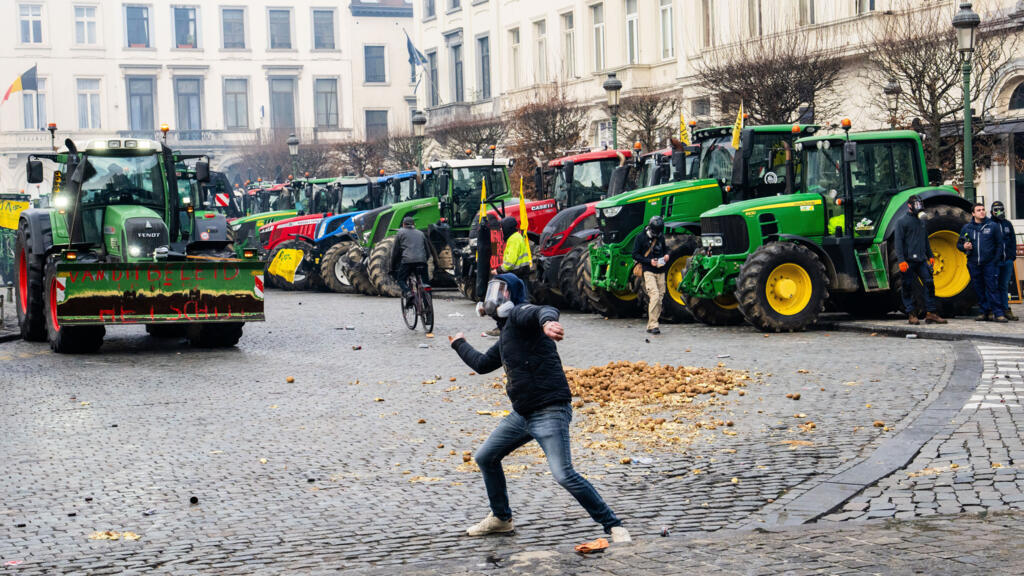
The European Union has decided to postpone the signing of a significant free trade agreement with South American nations, known as the Mercosur deal, which has been in negotiation for over 25 years. This decision comes in the wake of tumultuous farmer protests that erupted on the opening day of the EU leaders' summit in Brussels. Officials had initially aimed to finalize the agreement in Brazil just before Christmas, but the violent demonstrations and some last-minute objections have led to an unexpected halt in the process.
The Mercosur deal is a landmark agreement that would establish a free trade zone between the EU and the South American bloc composed of Argentina, Brazil, Paraguay, and Uruguay. The potential benefits of the agreement were seen as substantial, including increased trade flows, economic growth, and strengthened ties between the two regions. However, the deal has faced increasing scrutiny and resistance, particularly from European farmers who fear that an influx of cheaper agricultural products from South America could undercut their markets.
As tensions mounted in Brussels, farmers expressed their discontent through protests, highlighting their concerns over the possible impact of the trade deal on European agriculture. The protests have drawn attention to broader issues surrounding food safety standards, environmental regulations, and the treatment of farm laborers in South America. These factors contributed to the hesitation of EU leaders to move forward with the deal amidst backlash from their constituents.
EU officials had been optimistic about the progress of the negotiations and the potential signing of the Mercosur agreement during the summit. However, the chaotic scenes in Brussels, marked by intense demonstrations, forced leaders to reconsider their strategy. Additionally, some member countries raised last-minute objections, underscoring the divisions within the EU regarding the implications of the trade deal.
With the agreement now on hold, both the EU and Mercosur countries face a challenging road ahead. The EU must balance its trade ambitions with the concerns of its farmers, while Mercosur nations are eager to access the lucrative European market. The delay may also affect diplomatic relations and economic plans of the countries involved, as both sides need to come to a consensus that addresses the pressing concerns raised by various stakeholders.
As the dust settles from the protests, it remains to be seen how the EU will navigate the complexities of securing a trade deal that can satisfy both its economic objectives and domestic demands for protection. The situation underscores the significance of addressing agricultural and environmental concerns in trade agreements, a challenge that could shape future negotiations not only with South America but with other regions as well.
The Mercosur agreement represents a pivotal moment in international trade relations, and its eventual outcome will depend heavily on the willingness of both parties to engage in dialogue and compromise. For now, the delay serves as a timely reminder of the importance of balancing trade aspirations with the socio-economic realities faced by local farmers and communities.