On a significant diplomatic front, Canada and Ukraine’s other allies in the so-called "coalition of the willing" officially signed a statement today reaffirming their commitment to support Ukraine against any future Russian invasions, contingent upon the establishment of a viable peace agreement. This coalition includes more than 30 countries, all of which are dedicated to ensuring the security and sovereignty of Ukraine in the wake of ongoing conflicts with Russia.
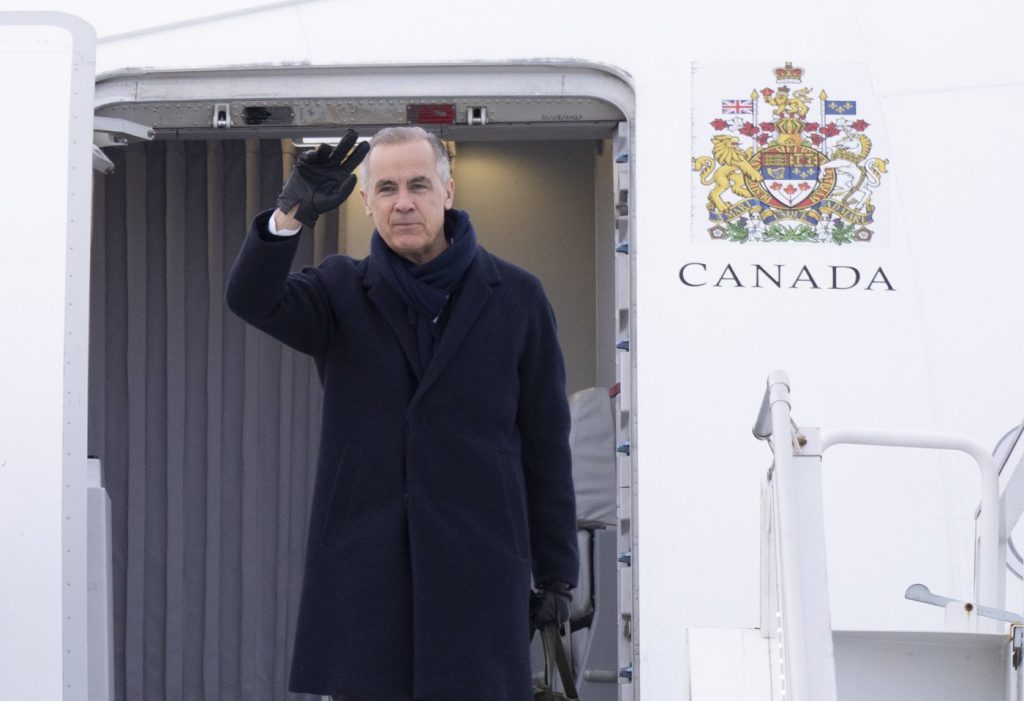
Prime Minister Mark Carney, who recently completed a brief visit to Paris, emphasized Canada’s unwavering support for Ukraine in light of these developments. The coalition is poised to implement a proposed security agreement that outlines the potential deployment of a multinational force to assist Ukraine following a ceasefire. This agreement is crucial as it not only aims to secure Ukraine’s borders but also serves as a formal assurance of support should Russia choose to initiate further hostilities.
The security agreement is primarily to be spearheaded by European nations; however, it also actively invites contributions from non-European partners. Notably, the agreement outlines specific roles for the United States, reflecting the collaborative effort of various nations in supporting Ukraine. Prime Minister Carney addressed reporters during his Paris visit, highlighting that Canada’s ongoing military enhancement efforts will enable the country to play a proactive role in Ukraine’s post-war security landscape. However, he clarified that the deployment of Canadian troops remains a theoretical "possibility" at this stage, underscoring that no immediate decision has been made.
Moreover, the Paris declaration introduces a U.S.-led monitoring system designed to oversee ceasefire agreements, with active involvement from coalition members. This aspect of the agreement is particularly vital as it aims to ensure compliance with ceasefire terms and provide peaceful oversight to reduce the risk of flare-ups. Additionally, the coalition pledged to deliver long-term military support for the Ukrainian armed forces, recognizing the enduring need for strength and resilience in the face of potential threats. Importantly, the agreement establishes a binding plan to provide support to Ukraine in the event that Russia violates any ceasefire arrangements, further solidifying the commitment of the international community in safeguarding Ukraine’s territorial integrity.
The assembled nations in this coalition are taking substantial steps to address the complex geopolitical dynamics surrounding Ukraine. As the situation continues to evolve, the commitment of these countries to assist Ukraine reflects a shared understanding of the importance of stability in Eastern Europe and the broader implications for international security. The collaborative nature of this security initiative not only highlights a unified approach to countering aggression but also embodies the principles of collective defense and mutual support that are central to international alliances.