France has been facing significant challenges in terms of regional cohesion within the European Union, despite receiving substantial funding aimed at mitigating these issues. The country has been allotted €18 billion in EU cohesion funds for the 2021-2027 period. However, this financial support has not been sufficient to address the growing regional inequalities that have emerged across various regions.
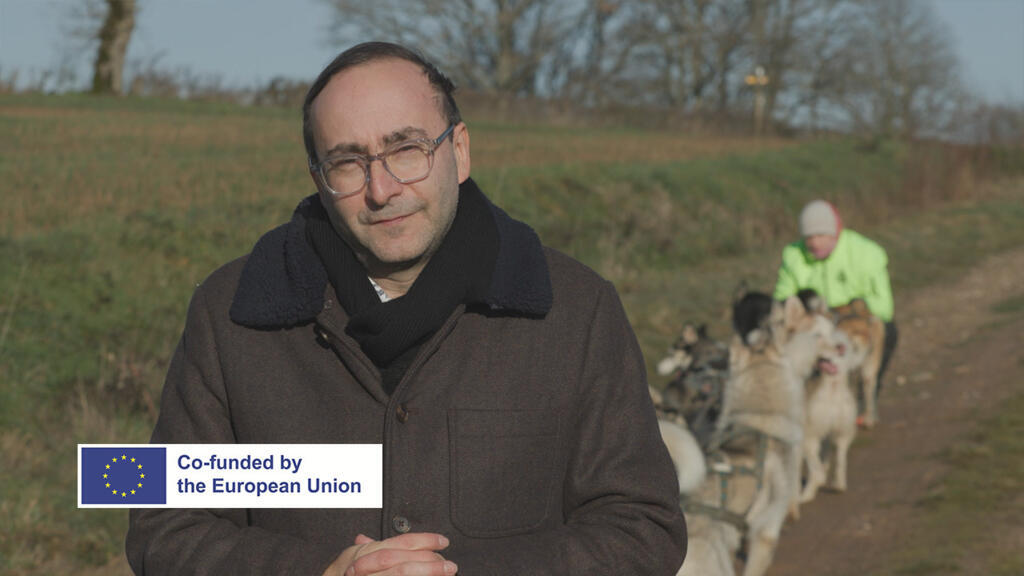
One stark example of this situation can be found in the central French department of Creuse. This area is emblematic of the broader trends affecting many regions in France, where economic prosperity has become increasingly uneven. Despite once experiencing growth, many regions, including Creuse, now grapple with stagnation or even decline. This regression is often linked to investments made in sectors that lack long-term potential, leading to what experts describe as a “development trap.”
The concept of a "development trap" suggests that after an initial period of economic expansion, certain regions can find themselves unable to sustain growth, ultimately facing a downturn. This is particularly concerning for Creuse, where the demographic and economic indicators have not shown the resilience or adaptability needed to thrive in a rapidly changing economic landscape. The reliance on industries with limited future opportunities exacerbates the challenges faced by these communities.
In Creuse, one can observe the implications of such economic stagnation firsthand. The local economy is heavily dependent on traditional sectors, which have not adapted efficiently to the contemporary market demands. This lack of diversification leaves the region vulnerable to external shocks and changes in consumer behavior, reinforcing existing inequalities within the country.
Despite the considerable EU funding, the effectiveness of these funds in fostering genuine economic development remains questionable. Critics argue that without strategic planning and targeted investments aimed at fostering innovation and sustainability, the funds may not yield the desired outcomes. This is particularly evident in regions like Creuse, where the fundamental economic structures are not aligned with future growth opportunities.
Furthermore, the challenges faced by Creuse are a microcosm of the broader issues impacting France as a whole. Regional disparities affect social cohesion, economic stability, and the overall quality of life for residents in less developed areas. Addressing these inequalities is not only crucial for the regions directly affected but also for the overarching unity and stability of France within the European context.
In summary, while the EU's investment in cohesion funds represents a significant financial commitment to improving regional equality in France, the reality on the ground, particularly in places like Creuse, indicates a need for more effective strategies. Ensuring that funds are utilized in ways that promote sustainable long-term development will be essential for transforming the prospects of regions currently trapped in cycles of stagnation and decline.
```