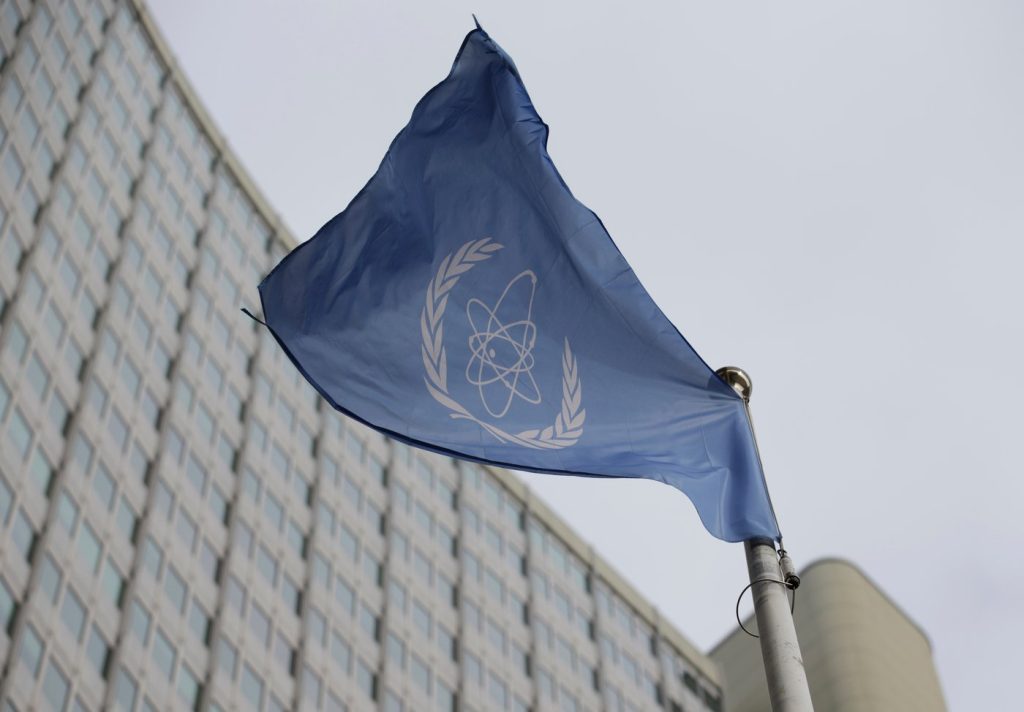
VIENNA (AP) — A confidential report from the International Atomic Energy Agency (IAEA) has highlighted that Iran has denied access to its nuclear facilities, which were bombed by Israel and the United States during a 12-day war in June 2025. The report was circulated to member states and reveals significant concerns regarding Iran's nuclear activities and its compliance with international obligations.
The IAEA report emphasizes that it "cannot verify whether Iran has suspended all enrichment-related activities," nor can it ascertain the "size of Iran’s uranium stockpile" due to the lack of access to the affected facilities. While Iran has four declared enrichment sites, the report indicates that the agency cannot provide any current details about the size, composition, or locations of enriched uranium stockpiles within Iran.
Iran has long maintained that its nuclear program is peaceful, but the IAEA, along with Western nations, claims that Tehran had a structured nuclear weapons program that was operational until 2003. The United States is actively pursuing a diplomatic solution to limit Iran's nuclear activities and to prevent it from developing nuclear arms.
In a letter dated February 2, Iran informed the IAEA that normal safeguards were considered "legally untenable and materially impracticable" due to perceived threats and "acts of aggression." However, the report notes that Iran has allowed IAEA inspectors access to its unaffected nuclear facilities at least once since June 2025, with the exception of a power plant in Karun that is still under construction.
Under the Treaty on the Non-Proliferation of Nuclear Weapons, Iran is mandated to cooperate with the IAEA, but it has halted all cooperation following the war with Israel. The IAEA disclosed that Iran possesses 440.9 kilograms (972 pounds) of uranium enriched up to 60% purity, which is only a short technical step from achieving weapons-grade levels of 90%. IAEA Director General Rafael Grossi has warned that this stockpile could potentially enable Iran to construct as many as ten nuclear bombs if the country chooses to weaponize its program, although he insists that it does not imply that Iran currently possesses such a weapon.
Typically, highly enriched material is subject to verification by the IAEA on a monthly basis. In light of restricted access to the nuclear facilities, the IAEA has resorted to analyzing commercially available satellite imagery to monitor activities around these sites. Observations have noted "regular vehicular activity" at the Isfahan facility, which is located approximately 350 kilometers (215 miles) southeast of Tehran and was targeted during the June bombings. The IAEA also recorded activity at the Natanz and Fordow enrichment sites but clarified that it is unable to confirm the nature or purpose of these activities without access to the facilities.
In addition to issuing the report, Grossi participated in discussions between the U.S. and Iran on February 17 and February 26 in Geneva, providing insights into the verification processes of Iran's nuclear program. Though these negotiations are ongoing, the most recent talks failed to produce an agreement, raising concerns about the potential for further conflict in the region as the United States has amassed significant military presence nearby.
Iran continues to assert that it does not pursue nuclear weapons and resists demands to cease uranium enrichment on its territory or to relinquish its stockpile of highly enriched uranium. Prior to the outbreak of hostilities in June, Iran had been enriching uranium to 60% purity, a significant increase that heightened international apprehensions about its nuclear ambitions.