The Fall of Viktor Orban: A Major Shift in Hungarian Politics
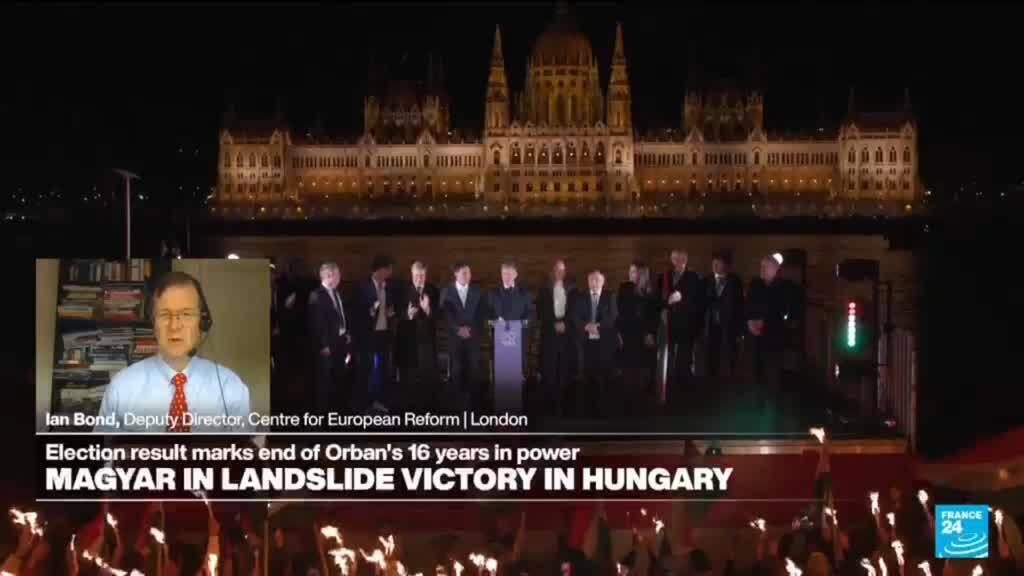
After 16 years in power, Viktor Orban, the far-right leader known for his illiberal governance, faced a significant change in Hungary's political landscape during the recent elections. With a record turnout, citizens expressed their desire for a drastic transformation, culminating in a stunning repudiation of Orban's long-standing rule. This electoral shift marks not only a change in government but a broader rejection of Orban's consolidation of power.
Orban, once idolized by the far-right circles in the United States, particularly within the MAGA movement, seemed untouchable until this election. The loss is attributed to various factors, including widespread discontent with his government's handling of key issues such as the economy, corruption, and civil liberties. The electorate's shift reflects a desire for a more democratic and transparent governance model.
The emerging leader, Prime Minister-in-waiting Peter Magyar, emphasized the significant nature of this electoral change, asserting, "The Hungarian people didn't vote for a simple change of government, but for a complete change of regime." This sentiment highlights the depth of public dissatisfaction with Orban's administration and suggests that Magyar will seek extensive reforms rather than mere cosmetic changes.
With a constitutional supermajority gained from the elections, Magyar is in a strong position to initiate reforms aimed at dismantling Orban's authoritarian structures. Orban's government had focused on centralizing power and limiting independent institutions, which critics argue undermined Hungary's democratic foundations. Magyar plans to address these challenges by enhancing the independence of the judiciary, restoring checks and balances, and fostering a more robust civil society.
This political shift comes at a crucial time for Hungary, as the European Union (EU) has been increasingly critical of Orban's governance style, often accusing him of eroding democratic norms. Magyar's pro-European stance is expected to realign Hungary's relationship with Brussels. Following years of tensions, he aims to mend ties with the EU, which could pave the way for economic support and cooperation that had been strained under Orban.
As Magyar prepares to take office, he faces the monumental task of reversing Orban’s legacy while ensuring political stability in the process. The public's expectations for dramatic reforms are high, with many Hungarians looking forward to a return to democratic principles and inclusive governance. It remains to be seen how effectively Magyar can implement these changes and whether he will succeed in fulfilling the aspirations of the electorate.
In conclusion, the recent elections in Hungary signify a pivotal moment in the country's political history, signaling a potential end to Orban's polarizing rule and an opportunity for the new leadership to restore democratic values and re-establish closer ties with the EU.
```