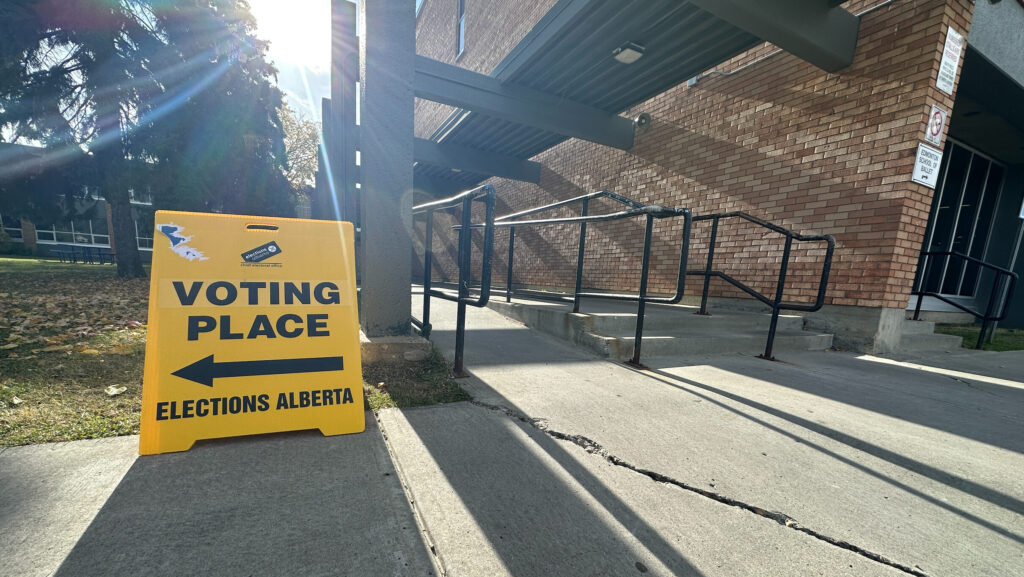
Albertans faced extended delays in receiving referendum results due to polling station issues, with results initially expected to start coming in at 8 p.m. being postponed by a couple of hours. As of 10:50 p.m., several voters were still in line at polling locations across the province, according to Elections Alberta, which did not specify the affected locations.
The main source of delay originated from a polling station at Westminster School in the Glenora neighborhood of Edmonton. The station had closed at 10 p.m. instead of the planned time of 8 p.m. due to complications that arose during its setup, thereby impacting voting results province-wide. Elections Alberta indicated that unofficial results would only be released once all voting locations confirmed they had closed.
Throughout Alberta, a total of 106 polling locations experienced extended hours due to late openings, with revised closing times ranging between 8:10 p.m. to 10 p.m. The organization reassured voters that the issues had been resolved and urged patience and kindness towards the election workers who are community members themselves.
Voting Process Complications
Voter Lisa Sankeralli shared her experience at the Glenora station, stating that she waited approximately two hours before being able to cast her ballot. She noted that officials informed them of a shutdown caused by improper setup of the station. Another voter, Brian Webb, corroborated this sentiment, mentioning that he arrived around 9:15 a.m. only to find the station closed for over two hours.
Voter Justina Paradis expressed concern regarding the impact of the delays on attendees, stating that fatigue and hunger could alter people’s decision-making processes. Despite these challenges at Westminster School, spokesperson Michelle Gurney reported that the majority of the 1,400 polling locations opened on time and that staff members were well-prepared, highlighting that 35 of the 106 extended hours locations were in Calgary and 28 were in Edmonton.
Some polling stations reported a smooth and efficient voting process. Voter Shaun Slaney shared his positive experience, stating that everything was organized correctly, while Osamudiamen Odiase echoed these sentiments about the simplicity and speed of the voting process.
Leading up to the referendum, more than 1.3 million Albertans had already cast their ballots through mail-in voting or advanced polls. Calgary Mayor Jeromy Farkas encouraged any remaining eligible voters to participate, emphasizing this moment as an opportunity for their voices to be heard.
The referendum includes nine questions related to immigration and constitutional matters, along with a tenth question regarding whether Alberta should remain in Canada or pursue a second, binding referendum on independence. The immigration questions seek public opinion on whether the province should have increased authority over immigration and potential restrictions, including fees for those accessing health care and education.
Additionally, there are constitutional questions addressing whether Albertans support discussions with other provinces aimed at reclaiming power from the federal government and abolishing the Senate. Paradis noted that the phrasing of the questions seems intentionally complex, suggesting that the convoluted nature might require voters to deliberate more thoughtfully on the issues at hand.