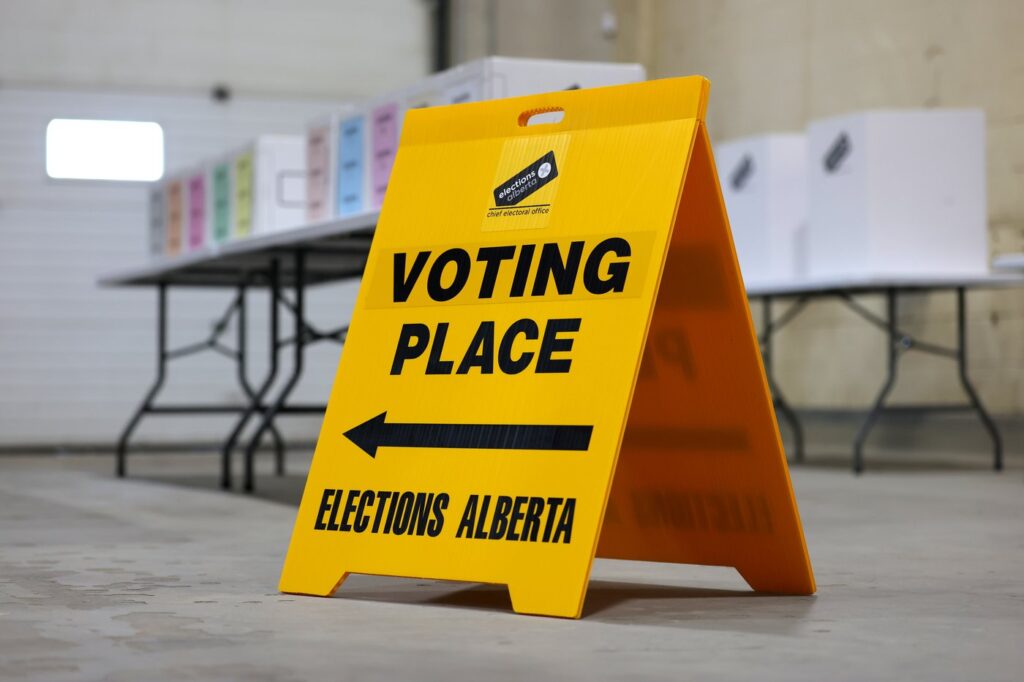
As Albertans prepare to cast their votes in the province's referendum, community leaders within the Chinese community are actively working to educate voters about the ten intricate questions presented on the ballot. Many voters, including those who are fluent in English, are struggling to fully comprehend the nuances of the questions, which collectively span over 400 words and are not phrased in a straightforward manner. Teresa Woo-Paw, chair of the ACCT Foundation, emphasizes that even lifelong Canadian residents find the ballot challenging to navigate.
The ten questions of the referendum encompass a broad spectrum of topics, including a significant question regarding Alberta's potential separation and additional issues relating to immigration and the constitutional distribution of powers. Steven Tsang, a member of Asian Canadian for United Canada, describes this referendum as the largest and most complex voting event in Canadian history.
Since July, Woo-Paw has collaborated with other community leaders to form a cross-ethnic coalition aimed at bridging the information gap concerning the referendum. Both Woo-Paw and Tsang assert that a substantial majority of Chinese voters tend to favor Alberta remaining part of Canada. Woo-Paw estimates that over 90 percent of ethnic communities adhere to this sentiment.
Voting as First-Generation Immigrants
The significance of the referendum is particularly profound for first-generation immigrants, according to geopolitical commentator Sam Choi. He explains that while the government may not track individual voting preferences, it does monitor participation levels based on demographics. “If we don’t vote, we’re not important; when they make decisions on how to allocate resources,” Woo-Paw remarks, highlighting the importance of voter turnout in representing the community's interests.
Choi emphasizes that participating in the referendum presents an excellent opportunity for Chinese Canadians to gain a deeper understanding of Canada’s political framework. He notes that “For Chinese to come out and vote is a very good opportunity,” allowing the community to engage with the complexities of the federal system and the provincial division of powers, which can facilitate their involvement in the political landscape going forward.
As the referendum progresses, results for the ten questions will be revealed incrementally. However, the outcome related to the stay-or-leave question is anticipated to be disclosed early Tuesday morning, adding to the community's eagerness to engage with the political process.