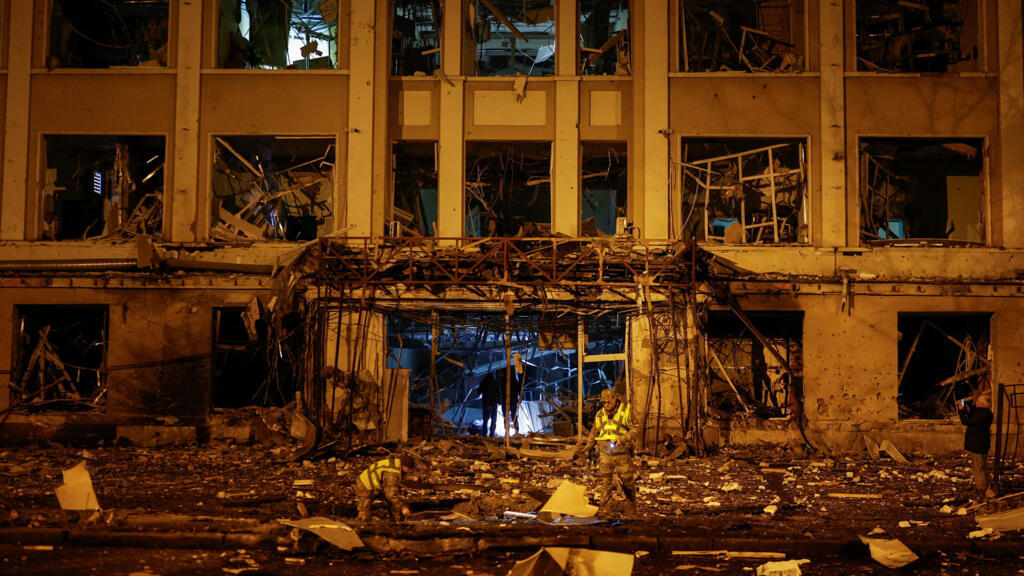
On Monday, Russia announced that it had conducted a "massive strike" targeting various locations in Kyiv and its surrounding region. This development marks an escalation in the ongoing conflict between Russia and Ukraine, as the use of extensive military force highlights the tensions that have persisted since the outbreak of hostilities. The Russian offensive is reported to have involved a significant number of missiles and drones aimed at critical infrastructure and military installations within the Ukrainian capital.
In response to these events, U.S. Secretary of State Marco Rubio addressed concerns regarding America's role in supporting Ukraine. He emphasized that Washington had not paused its intelligence sharing with the Ukrainian government. This assertion comes amid speculation and debate over the level of military aid and support that the U.S. is willing to provide to Ukraine, particularly as the war continues to evolve.
Rubio's comments were directed towards Ukrainian President Volodymyr Zelensky, urging him to prioritize efforts toward ending the war. The Secretary of State underscored the necessity for a diplomatic approach alongside military strategies to mitigate further loss of life and stabilize the region. His call for a focus on peace talks indicates a recognition of the complexities involved in the conflict and the challenges in finding a resolution.
The backdrop of these developments underscores the precarious situation in Ukraine, which has faced relentless assaults from Russian forces. As the war drags on, the humanitarian toll continues to mount, with countless civilians affected by the violence and destruction. The international community remains closely monitoring the situation, as strategies and responses evolve in light of the unfolding events.
This recent strike and Rubio's ensuing remarks contribute to the ongoing dialogue surrounding the war in Ukraine, highlighting the balancing act that international stakeholders must navigate. While military assistance remains a crucial component of Ukraine's defense strategy, the calls for diplomacy signal an awareness of the need for a longer-term solution to the conflict.
As tensions escalate, both Russia's military actions and the U.S. political discourse reflect the high stakes involved in the decision-making processes on all sides. The situation remains volatile, and the potential for further escalation is ever-present, underscoring the critical importance of sustained engagement and dialogue among the parties involved.