Curfews Imposed Across French Cities Amid Protests
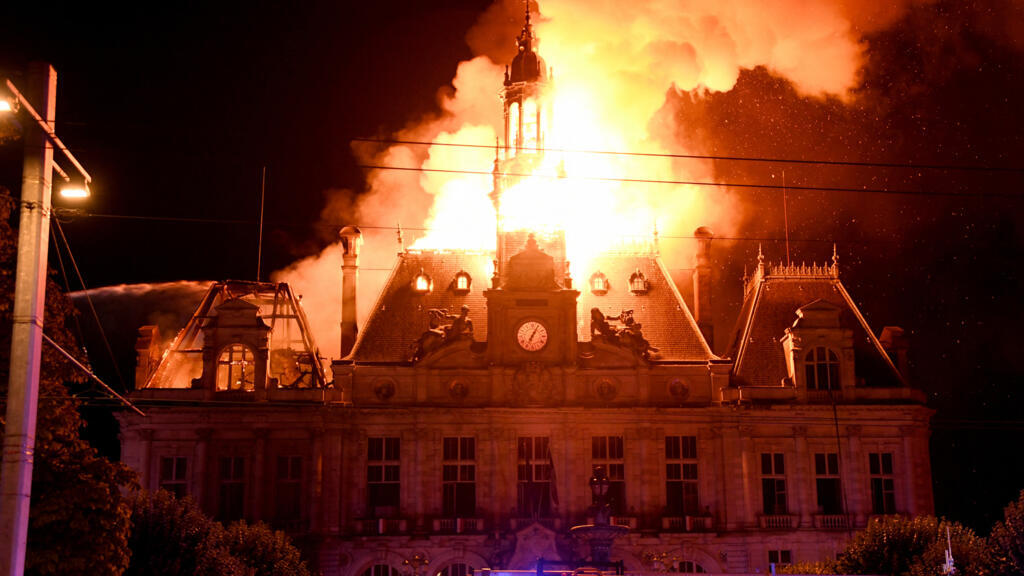
Recent events in France have seen a wave of unrest as protests escalate into rioting and looting in multiple cities, including Paris, Bordeaux, Nice, and Lyon. In response to the escalating violence, French authorities have enacted curfews in these urban areas. This action aims to stabilize the situation and restore order as tensions rise between demonstrators and law enforcement.
Prime Minister Sebastien Lecornu noted that the situation could warrant further action, mentioning that the implementation of a state of emergency is a possibility that remains on the table. This statement underscores the severity of the protests and the government’s readiness to take drastic measures if required. With public safety at risk, the curfews are intended to reduce nighttime disturbances and prevent further incidents of vandalism and violence.
The protests have been largely driven by social and economic frustrations among the populace, reflecting deep-seated issues that have long affected various communities across the nation. As the protests intensified, so did the clashes between police forces and protesters, leading to significant damage in several districts. Law enforcement's efforts to manage the situation have faced considerable challenges, with many officers engaged in ongoing skirmishes.
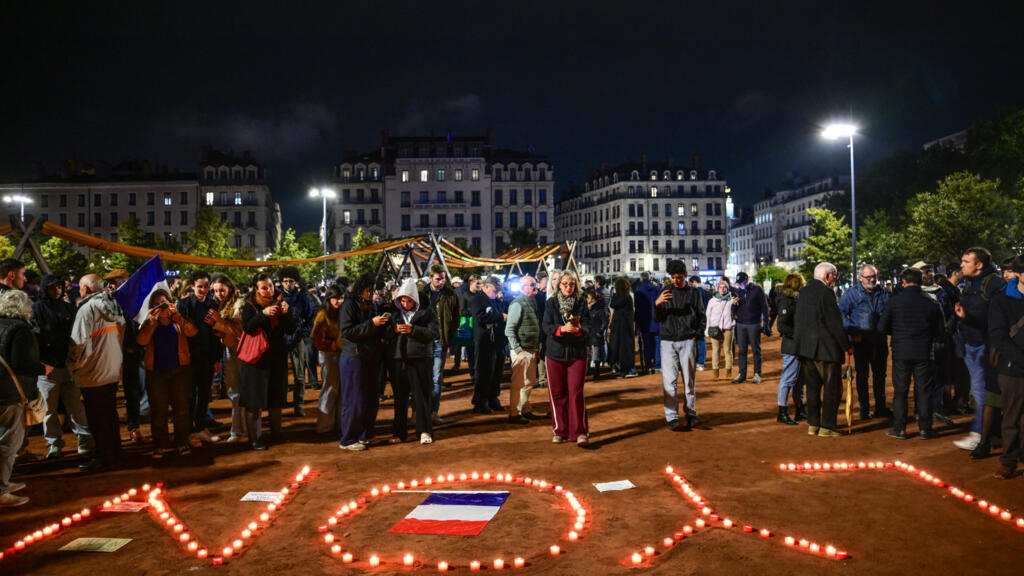
As authorities deploy additional security measures, including curfs and heightened police presence, the public has seen a range of responses. Many residents support the move to impose curfews, viewing it as a necessary step to restore calm. Conversely, some argue that these measures infringe upon their right to protest and mobilize for issues that matter to them. The differing opinions illustrate the complex nature of the current unrest and the delicate balance that authorities must strike between maintaining order and respecting civil liberties.
In the backdrop of these developments, conversations surrounding several underlying social issues—such as economic inequality, police reform, and treatment of marginalized communities—have gained prominence. Many demonstrators believe that their grievances have not been adequately addressed by the government, leading to a cycle of anger and protest. The potential for a state of emergency indicates that the French government acknowledges the situation's gravity and is prepared for potentially more drastic responses to quell unrest.
As the nation grapples with these issues, the feeling of uncertainty hangs in the air. The government’s next steps will be closely monitored not just by citizens within France, but also by international observers who are watching how one of Europe’s largest nations handles civil discontent. The consequences of these protests, along with the government’s reaction, may have lasting implications for both public perception and political dynamics in France.
The coming days will be crucial in determining whether the curfews and potential state of emergency will yield the desired effect of restoring peace, or if they will further inflame the tensions that have already emerged. Observers expect the government's actions will shape the future of civil liberties and community relations within the context of ongoing public protests.