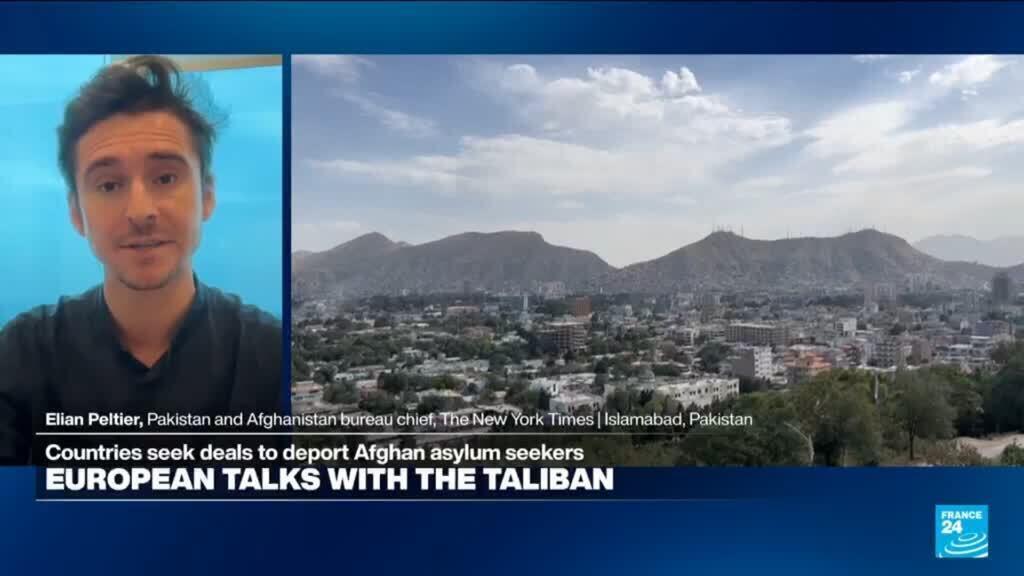
European Engagement with Taliban: A Complex Diplomatic Dance
Europe's approach to Afghanistan has witnessed a significant shift, revealing a complex interplay between diplomatic non-recognition and political necessity. Although European governments officially maintain a stance of non-recognition toward the Taliban regime, an in-depth investigation has uncovered a more pragmatic reality. The findings, reported by Elian Peltier, the Pakistan and Afghanistan bureau chief for The New York Times, highlight a growing engagement between European nations and the Taliban, particularly concerning critical issues such as migrant deportations, diplomatic representation, and economic assistance.
The investigation indicates that, despite the official narrative of non-recognition, European governments are engaging with the Taliban more frequently than is publicly acknowledged. This engagement reflects an acknowledgment of the reality on the ground in Afghanistan, where the Taliban have effectively consolidated power following the withdrawal of U.S. and NATO troops in August 2021. The urgency of addressing humanitarian crises, managing migration flows, and countering terrorism has prompted European officials to initiate discussions with the Taliban.
One significant area of focus in these negotiations is the issue of migrant deportations. Many Afghan nationals have fled their homeland due to fear of persecution under the Taliban regime, and European countries are grappling with the complexities of managing asylum applications and deportations. Discussions between European officials and the Taliban aim to facilitate the safe return of migrants while ensuring that those returning do not face immediate danger. This pragmatic approach suggests a growing recognition of the Taliban's role in managing migration flows, even as the international community grapples with the implications of engaging with an unrecognized regime.
Moreover, economic assistance has become a focal point for European engagement with the Taliban. With Afghanistan facing severe economic challenges and humanitarian crises, European governments are exploring avenues for providing aid. While direct financial support to the Taliban is fraught with concerns over legitimacy and human rights abuses, European nations are looking for ways to provide humanitarian assistance without bolstering the regime directly. This includes negotiating alternative channels for delivering aid, such as working with non-governmental organizations (NGOs) and international agencies that can operate within the country.
The complexity of this diplomatic dance is further compounded by the need for diplomatic representation. European countries are grappling with the necessity of maintaining a presence in Afghanistan to monitor the situation on the ground and address pressing issues. As a result, many governments have begun to establish informal channels of communication with the Taliban, even if they stop short of formal recognition. This approach allows European nations to engage with the Taliban while still adhering to their stated positions regarding non-recognition.
This evolving relationship between Europe and the Taliban mirrors broader trends in international relations, where pragmatic considerations often challenge ideological stances. The need to address humanitarian crises and manage migration flows has led to a reevaluation of strategies among European governments. As the situation in Afghanistan remains fluid, it is likely that these pragmatic engagements will continue to evolve, blurring the lines between official policy and realpolitik.
In conclusion, the findings from Elian Peltier highlight the intricate balancing act that European nations are performing in their dealings with the Taliban. As they navigate the complexities of diplomatic non-recognition amidst pressing political necessities, the implications of these engagements will continue to shape the future of international relations in and around Afghanistan. European governments are increasingly finding themselves in a position where they must reconcile their values with practical realities, leading to a nuanced and often contradictory approach to the Taliban regime.