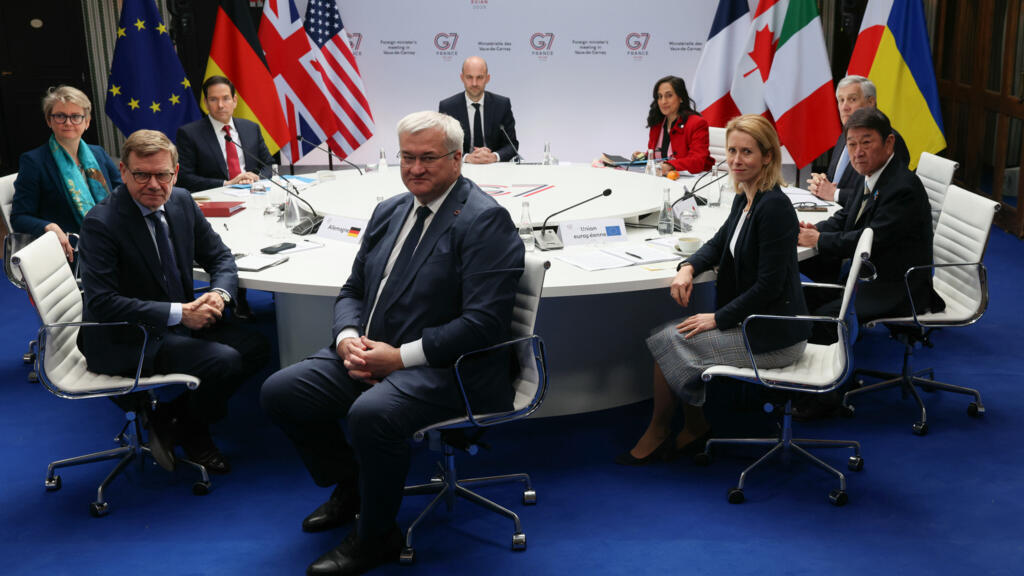
A significant meeting of the G7 nations focused on environmental issues commenced in Paris on Thursday. This two-day event draws attention to the efforts of seven major advanced economies—Canada, France, Germany, Italy, Japan, the United Kingdom, and the United States—to address pressing global challenges. However, in a surprising move to maintain cohesion among the member nations, climate change was deliberately omitted from the agenda.
France's Ecology Minister, Monique Barbut, indicated that avoiding discussions surrounding climate change was a strategic decision aimed at preserving unity among the G7 countries. Barbut emphasized that the goal of the meeting was to concentrate on less contentious subjects, thereby circumventing potential disputes, particularly with the United States. This decision reflects the ongoing complexities and differing priorities among G7 nations regarding environmental policies.
The absence of climate change from the discussions underscores an ongoing challenge within international forums: reconciling varying national approaches to environmental issues. The United States, under its current administration, has exhibited a more skeptical stance on some global climate initiatives, prompting concerns among other G7 members who are more committed to aggressive climate action. By sidelining this topic, the G7 aims to avoid conflicts that may arise from differing national policies and to foster a cooperative atmosphere for dialogue on other environmental matters.
During the talks in Paris, the G7 authorities are expected to focus on a range of environmental issues that might be more universally agreeable among members. These include topics such as biodiversity conservation, the prevention of plastic pollution, and the promotion of sustainable development practices. The hope is to forge actionable commitments on these fronts without confronting the more divisive topic of climate change.
This meeting represents an important moment for G7 countries to reassert their leadership in global environmental governance, despite the contentious backdrop of climate negotiations. The countries involved recognize the pressing need for collective action and consistent policy frameworks to tackle environmental degradation and promote sustainability.
Nevertheless, the decision to exclude climate change discussions raises questions about the G7's long-term commitment to addressing this critical issue. Many activists and environmentalists have expressed concern that such omissions could undermine the collective efforts needed to combat climate variation, which poses imminent risks to ecosystems, economies, and communities around the world. The Paris meeting, thus, serves as a crucial test of the G7's capacity to navigate the complexities of international environmental diplomacy while maintaining their commitments to holistic ecological strategies.
As the event unfolds, the outcomes of these discussions will likely influence international perceptions of the G7’s role in championing environmental issues and responding to the challenges posed by climate change. Whether the nations will take decisive steps towards meaningful cooperation remains to be observed, but the trajectory set at this meeting may have lasting implications for future G7 engagements on environmental matters.
```