Britain and France Initiate Three-Year Plan to Address Irregular Channel Crossings
On Wednesday, a roadmap issued by the French interior ministry outlined a significant agreement between Britain and France aimed at curbing the increase in irregular crossings of the English Channel. This new plan, set to span three years, reflects the ongoing efforts of both nations to tackle the challenges posed by unauthorized migration across one of the busiest shipping lanes in the world.
As part of this initiative, France will enhance its coastal policing capabilities by increasing the number of officers dedicated to patrols by over 50 percent, raising the total to 1,400 by the year 2029. This bolstered presence is expected to strengthen enforcement efforts along the northern French coast, where many migrants embark on perilous journeys to reach the UK.
The agreement also outlines a significant financial commitment from the UK, which will provide up to €766 million in funding. However, this financial aid is partly contingent upon demonstrable progress and results in halting irregular crossings. Both governments recognize that collaboration and mutual efforts are essential to manage and reduce the flow of migrants attempting to make the dangerous crossing.
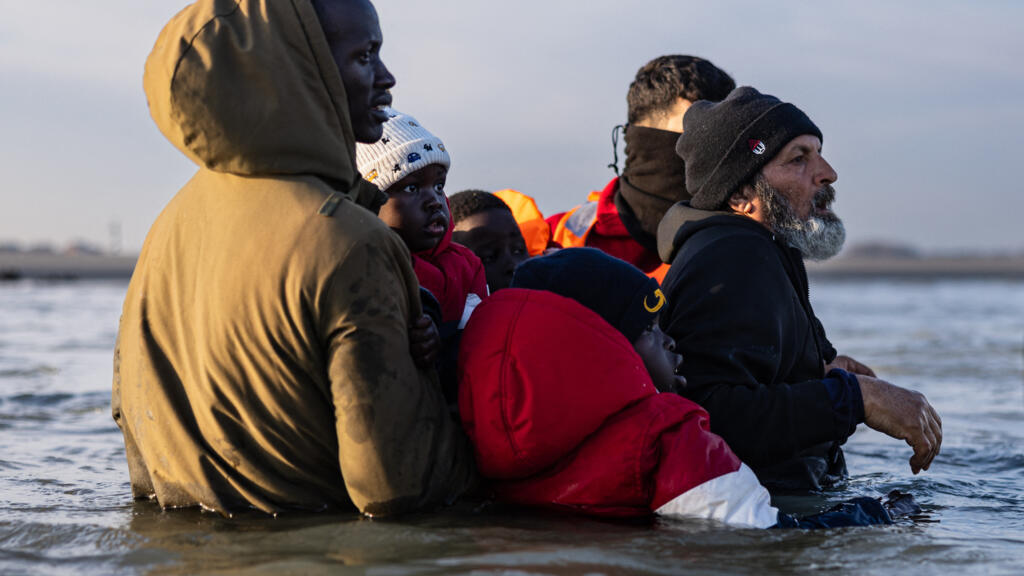
Irregular crossings have become a pressing issue for both countries in recent years, with thousands of migrants risking their lives in small boats to reach the UK. The rise in dangerous sea crossings has drawn widespread attention and concern from various stakeholders, including governments, humanitarian organizations, and the public.
This agreement represents a renewed commitment to addressing the complexities of migration and enforcing border security effectively. The partnership highlights the importance of joint action in resolving the challenges both nations face regarding illegal crossings, particularly in light of public dissatisfaction with current immigration processes and a perceived increase in risk and operational challenges.
In addition to enhancing policing efforts, this initiative may include more comprehensive measures aimed at tackling the root causes of migration, increasing cooperation on intelligence sharing, and bolstering support for asylum processing. The overall plan aims to create a more coordinated response that balances enforcement with humane treatment of individuals seeking safety and better opportunities.
The success of this strategy will depend on sustained collaboration and a commitment to addressing the multifaceted nature of migration. By aligning resources and objectives, both Britain and France are taking proactive steps. As they move forward, continued dialogue and adaptation will be vital to ensuring the effectiveness of the measures implemented under this agreement.