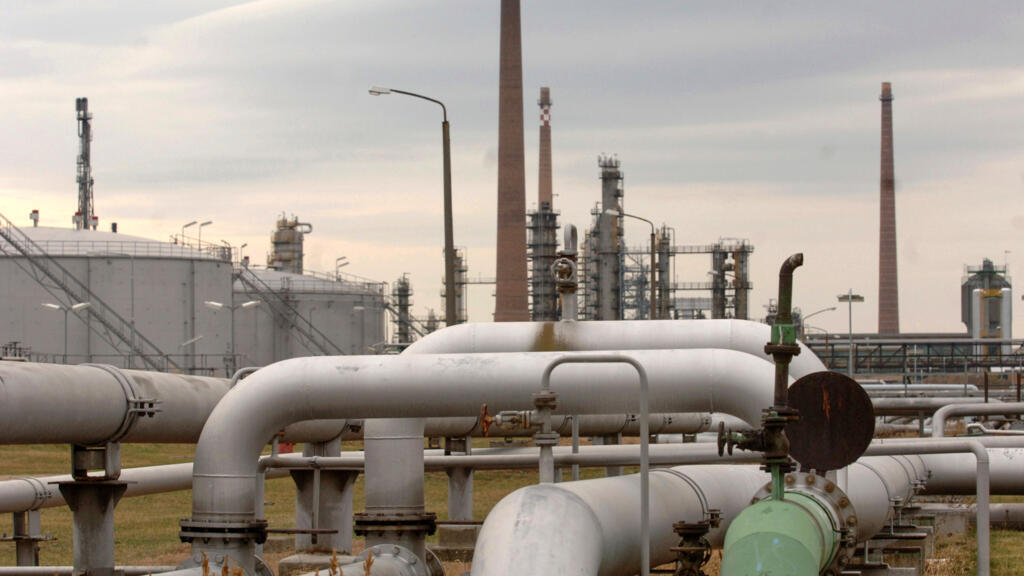
On Tuesday, Kyiv announced that it has successfully repaired the damaged Druzhba oil pipeline, thereby removing the final barrier to the long-awaited €90 billion loan from the European Union. This significant development marks a critical step in Ukraine's ongoing effort to stabilize its economy amidst the ongoing conflict with Russia.
The Druzhba pipeline, which is one of the largest oil pipelines in the world, has been a vital artery for transporting oil from Russia to various European countries, including Hungary and Slovakia. Its repair is particularly significant given the geopolitical tensions that have surrounded energy supplies in the region following Russia's invasion of Ukraine. With the repairs completed, oil flows from Russia can resume to these two countries, a move that has sparked controversy within Ukraine's political landscape.
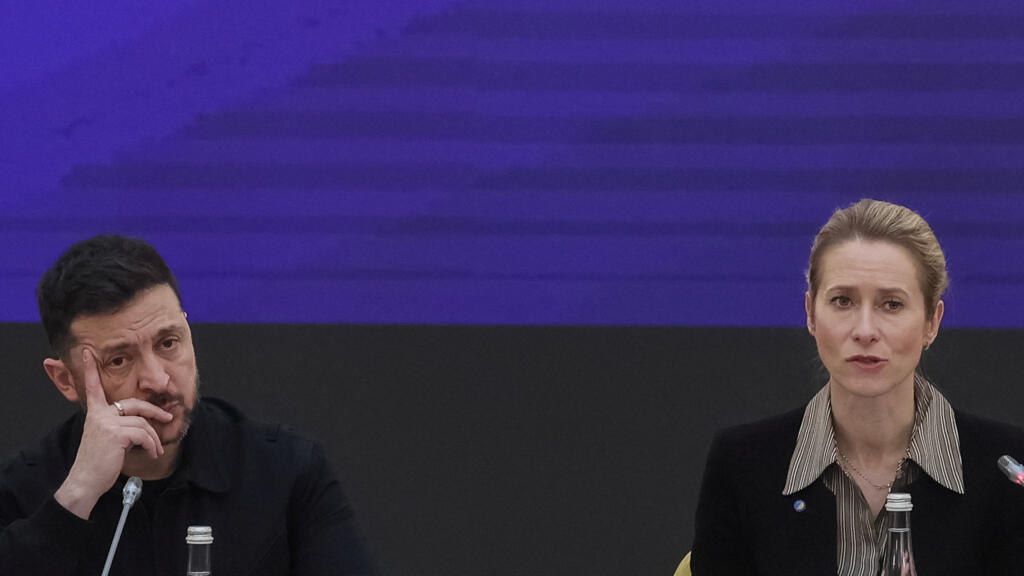
President Volodymyr Zelensky has been vocal in his appeals to Western allies, urging them to impose stricter sanctions on the Kremlin in response to its aggressive actions. Resuming Russian oil exports, even while advocating for heightened sanctions, places Ukraine in a complex and uncomfortable position. This situation raises questions about the balance between securing financial aid and maintaining a strong stance against Russian aggression.
Despite the necessity of the loan for Ukraine's economic recovery, the decision to allow the resumption of oil flows could potentially undermine Zelensky's diplomatic efforts. Ukraine's delicate relationship with its allies may be strained as they navigate the economic ramifications of such decisions. Critics argue that any resumption of Russian oil exports, regardless of the circumstances, could be perceived as undermining the collective efforts of Western nations to isolate Russia economically.
The EU's €90 billion loan represents a crucial financial lifeline for Ukraine, intended to support the country’s recovery amid the ongoing war. The loan is expected to facilitate various economic initiatives and reconstruction projects, which are desperately needed as the nation deals with the extensive damage caused by the conflict. However, the repair of the Druzhba pipeline and the subsequent resumption of oil flows adds a layer of complexity to Ukraine's economic and diplomatic strategy.
Looking ahead, Ukraine's government will need to carefully manage the implications of this decision. As it seeks to balance international expectations and its own economic survival, Kyiv remains at a crossroads. The situation underscores the intricate dynamics at play in the region, particularly the ongoing reliance on Russian energy supplies despite the broader geopolitical context of the conflict.
In conclusion, the repair of the Druzhba oil pipeline has removed a significant obstacle for Ukraine in securing the necessary financial support from the EU. However, this development raises important questions about the country’s commitment to opposing Russian aggression and maintaining solidarity with its Western allies. As Ukraine moves forward, it will be essential to navigate these challenges carefully while working towards a sustainable and stable future.