In 2025, Toronto's streets experienced the safest conditions for both pedestrians and drivers in over a decade, a change attributed significantly to the increased presence of speed cameras in the area. However, this year, the situation has taken a turn for the worse as the Premier of Ontario, Doug Ford, has ordered the removal of these cameras, resulting in concerns from officials who warn that this decision may lead to increased danger and fatalities on the roads.
Last year, Toronto had doubled its number of speed cameras from 75 to 150, which studies indicated successfully altered driving behaviors. By the end of 2025, the city recorded its fewest fatalities and serious injuries since the inception of the Vision Zero program aimed at eliminating traffic-related deaths and injuries. Toronto City Councillor Paula Fletcher emphasized the importance of the speed safety cameras, stating, “Speed safety cameras keep people safer, they keep kids safer, they actually keep drivers safer, and to throw them out the window was, I think, one of the worst things the Ford government has done." She noted that fewer people were seriously injured in crashes due to reduced speeds influenced by the presence of these cameras.
Nonetheless, some officials, including Councillor Stephen Holyday, have raised doubts about the effectiveness of the cameras in saving lives over the long term. Holyday recognized that while speed cameras had an immediate effect on reducing speeds at their respective locations, he questioned whether this led to a substantial improvement in overall safety within the city. He suggested that the cancellation of the program stemmed from a loss of public trust and a perception that the cameras were primarily revenue-generating tools rather than safety measures.
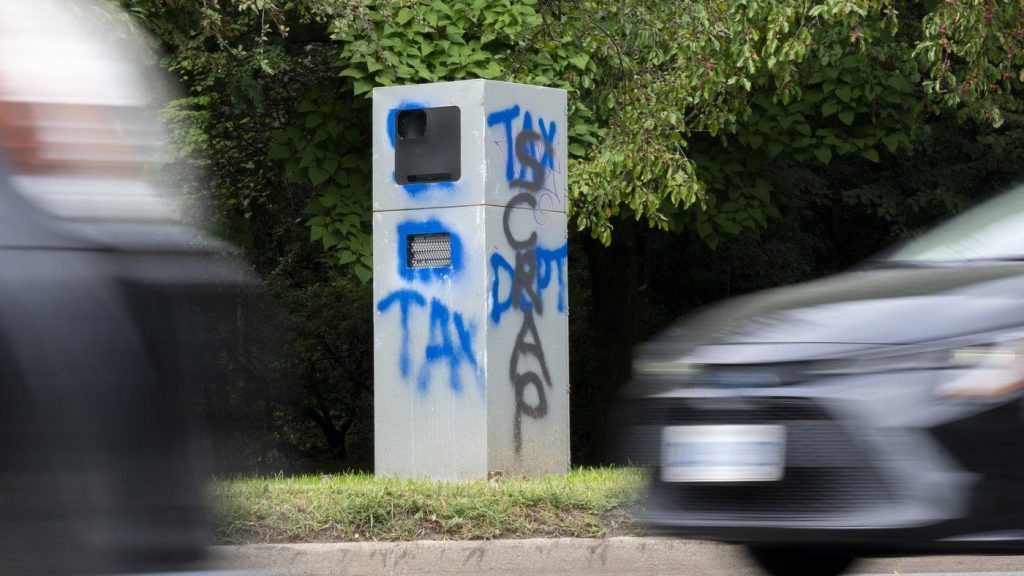
Premier Doug Ford had been critical of the speed cameras for months before officially banning them in November 2025. His stance remains unchanged, as he dismisses the Vision Zero data, labeling it as “hogwash.” Ford pointed to areas like Parkdale Drive, citing the impracticality of issuing 70,000 speeding tickets without implementing more effective traffic management solutions, such as turnabouts or speed bumps. He characterized the speed camera program as a "tax grab" and insisted that true safety would come from physically slowing vehicles down rather than relying on tickets.
Despite the province's decision to eliminate automated speed cameras, Toronto officials maintain that these cameras had been beneficial. Sheyda Saneinejad, the manager of Toronto's Vision Zero strategy, acknowledged that the speed cameras were part of a broader strategy to enhance road safety. She underscored the concept of a safe system approach, which incorporates multiple safety measures. In 2025, Toronto had implemented its largest traffic calming initiatives, with nearly 700 speed humps and cushions introduced. Plans for 2026 include accelerating this effort, with over 1,000 traffic calming measures planned, alongside an expansion of the school crossing guard program and the deployment of additional red light cameras.
Moreover, city officials reminded the public that any tickets issued before November 14 must still be paid, despite the program's discontinuation. This highlights the ongoing impact of past policies even as new measures are pursued to ensure public safety on Toronto's roads.