The European climate agency has reported that 2025 was the third warmest year on record, nearly surpassing a critical global climate threshold. Data from Copernicus shows that the year was approximately 1.47 degrees Celsius warmer than pre-industrial levels, following a record-setting increase of 1.6 degrees the previous year. This three-year period, including 2023, has marked the first time in history that global temperatures have consistently exceeded 1.5 degrees Celsius above pre-industrial levels.
At the current trajectory, the long-term global warming limit of 1.5 degrees Celsius outlined in the 2015 Paris Agreement could be reached by the end of this decade, a decade earlier than previously anticipated. This alarming trend is compounded by Canada, which is warming at a rate faster than the global average. The loss of snow and sea ice—crucial reflective barriers against the sun—has exposed expansive northern lands and seas, generating an increase in temperatures across the country.
More than 89,000 Square Kilometers of Forest Burned
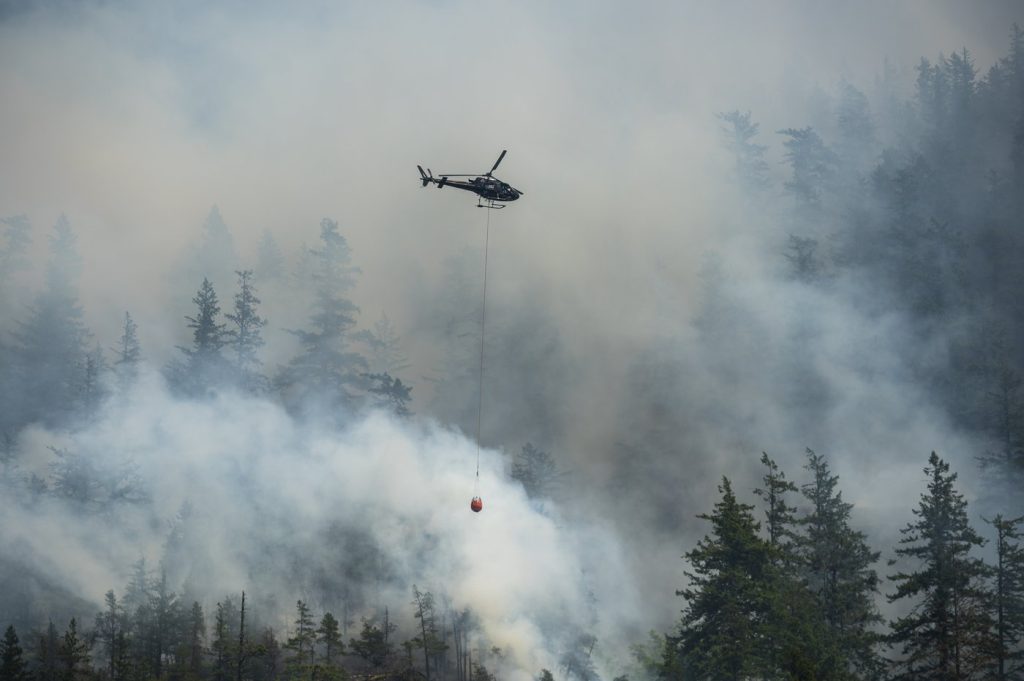
In 2025, Canada experienced its second-worst wildfire season on record, following the devastating 2023 season. Preliminary assessments indicate that wildfires burned approximately 89,221 square kilometers, an area comparable to mainland Portugal. Throughout this wildfire period, Canada operated at its highest alert level. Thousands were evacuated from their homes, and international assistance was sought for firefighting efforts.
Since the early 1970s, the area affected by wildfires in Canada has more than tripled, primarily due to human-induced climate change, according to Mike Flannigan, an esteemed wildfire expert. He stressed the urgency of addressing climate change, citing decades of warnings that have largely gone unheeded. Warming temperatures exacerbate the wildfire issue in several ways; they extend the fire season, increase the frequency of lightning strikes, and desiccate forest vegetation.
$9.2 Million in Estimated Catastrophic Losses
In addition to wildfires, elevated temperatures have led to the emergence of more intense and unpredictable storms. The resulting damage—including hail-damaged vehicles, flooded homes, and downed power lines—has significant financial implications. The Institute for Catastrophic Loss Reduction estimates that Canada faces average annual losses of around $9.2 billion from catastrophic events, such as wildfires and extreme weather phenomena.
Adjusted for inflation, these losses have escalated by approximately 9.3 percent annually since the 1980s, outpacing growth in population, GDP, and construction spending. While other factors contribute to the financial toll, climate change plays a substantial role, making severe weather events more frequent and damaging. Significant events in 2024 alone, such as the Calgary hailstorm and southern Ontario flooding, were costly and have contributed to rising home insurance premiums across affected regions, with increases of nearly 68 percent observed in British Columbia.
3 Montreal Heat Wave Deaths
As Canada experiences rising temperatures, extreme heat events are becoming more common and prolonged. Dr. Samantha Green, a family physician in Toronto, warns that these heat waves pose serious health risks, particularly to vulnerable populations such as isolated seniors and outdoor workers. Reports indicate that during a heat wave from August 10 to 13 last year in Montreal, three deaths were potentially linked to heat exposure.
In Toronto, six heat warnings were issued between June and August 2025, leading to 74 heat-related emergency room visits. Climate models predict that both Montreal and Toronto could experience an additional 20 days annually where temperatures exceed 30 degrees Celsius by mid-century, compared to the late 20th century.
920,000 Square Kilometers of Summer Sea Ice
Copernicus data revealed concerning trends regarding declining sea ice across the poles. In February 2025, the combined sea ice coverage was recorded at its lowest since satellite observations began in the late 1970s. The extent of Arctic sea ice was notably low during several months, including January and December, with Environment and Climate Change Canada reporting that summer sea ice cover in Canada's northern waters has declined by approximately seven percent each decade since the late 1960s.
In 2025, the summer sea ice declined to 920,000 square kilometers. Although this figure is not the lowest on record, it is still significantly lower than levels seen over the past 20 years. Studies indicate that the Arctic Ocean may become largely ice-free by the mid-century due to emissions driving climate change.
27.8 Percent Increase in Coffee Prices
Food economist Mike von Massow identifies coffee prices as a “canary in the coal mine” for climate change. The rising costs of coffee—up 27.8 percent in November 2025 compared to the previous year—are attributed to increased threats from climate change, including rising temperatures and unpredictable rainfall. While American tariffs on coffee may also impact prices, the long-term increases are primarily due to climate-related factors, affecting the entire food supply chain.
Surging prices of other food items, such as lettuce and beef, have likewise been linked to climate change-induced conditions, such as extreme weather and droughts impacting agricultural production. The financial burden of rising food prices continues to challenge Canadians in the wake of climate change.