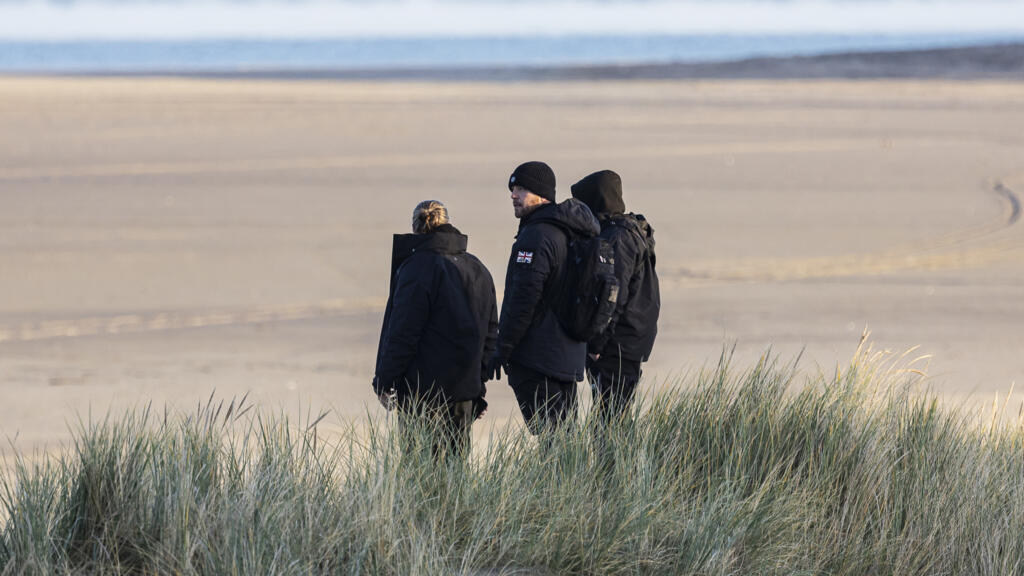
The French interior ministry has taken decisive action against a far-right group from the United Kingdom known as "Raise the Colours." On Wednesday, October 25, 2023, the ministry announced that it has imposed a ban on ten members of this group. This ban is a direct response to their involvement in activities that undermine the safety and humanitarian treatment of migrants traversing the English Channel.
The "Raise the Colours" group has been reportedly engaging in operations focused on searching for and destroying small migrant boats that attempt to cross the English Channel. This body of water has seen a significant increase in migrant crossings over the past few years, as individuals seek to reach the UK from various points in Northern France. The group's activities pose a serious threat not only to the lives of migrants but also to the international norms of humanitarian assistance.
In a statement, the French interior ministry indicated that the actions taken by these individuals were not only illegal but also dangerous. The ministry emphasized that any attempts to obstruct the maritime routes for migrants will not be tolerated. The ban effectively prohibits the named individuals from entering or residing in France, thereby curbing their ability to continue their activities within the country.
France has been grappling with the issue of illegal migration for several years, especially in the context of small boats attempting to cross the Channel. Many of these vessels are overcrowded and lack adequate safety measures, prompting concerns about the potential for tragic incidents at sea. The intervention by the French government against the "Raise the Colours" group reflects a broader commitment to uphold the safety of vulnerable populations and to enforce national and international laws related to asylum seekers.
The rise of far-right groups in various European countries has attracted considerable attention, particularly in the context of immigration policies and national security. The actions of "Raise the Colours" are indicative of a growing trend among some fringe groups to take matters into their own hands, which can lead to violence and increased tensions. The French government's swift response is aimed at not just addressing the immediate threat but also sending a message to other such groups contemplating similar actions.
Moreover, the situation highlights the complexities of managing borders and dealing with illegal migration, especially as Europe faces increasing pressures from various geopolitical factors. Countries are often caught between enforcing stringent immigration policies and fulfilling their humanitarian obligations towards those seeking refuge from war, persecution, and poverty.
While the French government has taken this step, the situation remains fluid. The government continues to face pressure to effectively manage the channels of migration and provide appropriate responses to the challenges posed by groups like "Raise the Colours." The path forward will likely require coordination among European nations to ensure a comprehensive approach to the issue of illegal migration and the safety of all individuals involved.
In conclusion, the ban on the ten members of "Raise the Colours" by the French interior ministry marks a significant development in the ongoing struggle to manage migration in the English Channel. It illustrates the challenges faced by governments in maintaining security while also protecting human rights. The situation remains critical, with ongoing discussions and actions expected in the lead-up to future policy formulations concerning migration in Europe.