Political Dynamics in French Governance: Insights from Professor Paul Smith
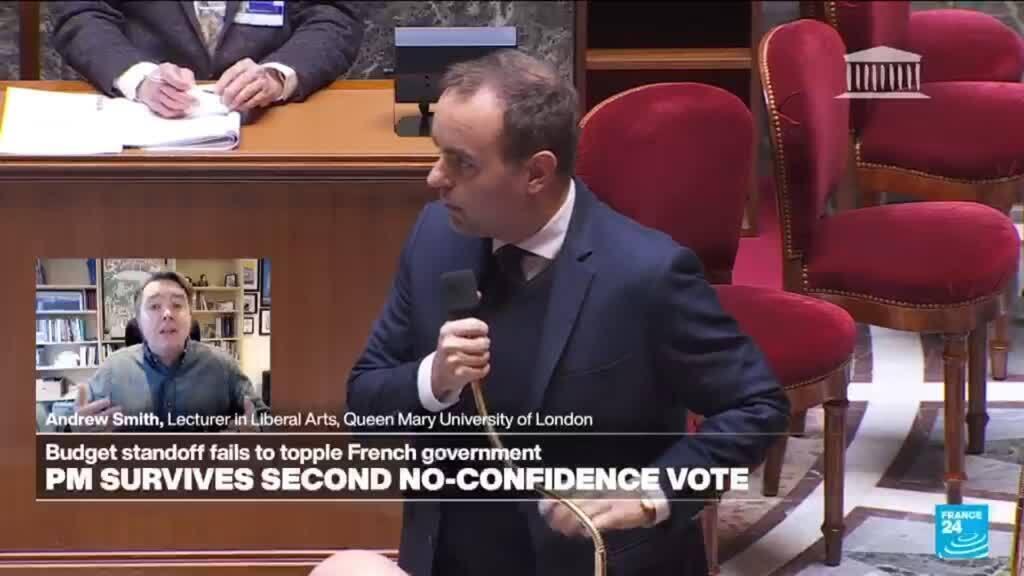
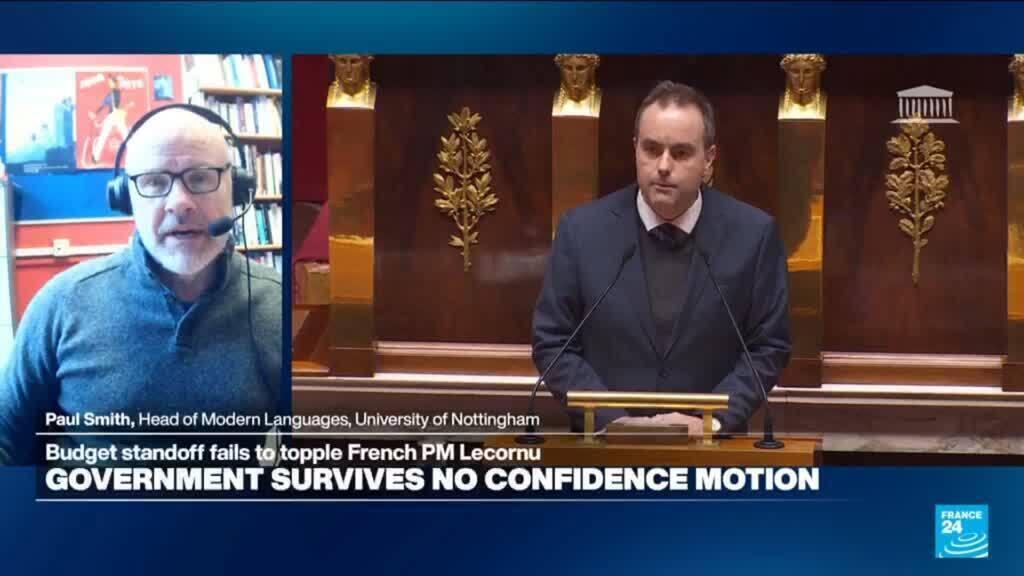
William Hilderbrandt has invited Professor Paul Smith, the Head of Modern Languages at the University of Nottingham, to discuss the current political landscape in France. The focus of the conversation centers on recent events regarding the French government's motions of no confidence, which failed to gain traction in the National Assembly. Although such outcomes were widely expected, Professor Smith offers a nuanced perspective on the underlying tensions that characterize French politics today.
In his analysis, Professor Smith highlights that the challenges within the French political landscape extend beyond the traditional dichotomy of left versus right. He emphasizes that there are deeper ideological rifts related to the essence of democracy itself and the procedural necessities that govern political maneuvering in the legislative system. This exploration of the complexities within French politics reveals a society grappling with reconciling democratic ideals with the procedural aspects often viewed as necessary for governance.
One of the key points raised by Professor Smith is the controversial use of Article 49.3 of the French Constitution. This article allows the government to pass legislation without a parliamentary vote, ostensibly to expedite legislative processes. While it is a legal strategy intended to facilitate governance, its repeated application has led to significant public backlash. Many citizens and lawmakers express their frustration over what they perceive as an undermining of democratic values. This sentiment underlines the tension between the operational necessities of government and the expectations of citizens who believe that democratic practices should be adhered to rigorously.
Furthermore, Professor Smith discusses how the invocation of Article 49.3 has implications for political trust among the citizenry. When the government resorts to such measures, it can create a sense of alienation among the electorate. Public perception of the government's legitimacy can suffer when people feel that their representatives are sidelined in favor of expediency. This erosion of trust could potentially lead to a more significant disengagement from the political process, particularly among younger voters who are more attuned to democratic values.
In addition to the internal dynamics, the conversation touches on the broader European context in which French politics operates. The political challenges faced by France are not isolated; they are reflective of the complex landscape of European governance. As nations grapple with issues such as immigration, economic disparity, and the rise of populism, the responses of governments often necessitate swift action that can conflict with democratic principles. Consequently, the French scenario is emblematic of wider trends across Europe, where the balance between effective governance and adherence to democratic processes is increasingly scrutinized.
Overall, Professor Paul Smith's insights paint a picture of French politics where procedural necessities clash with foundational democratic ideals. As the government utilizes mechanisms like Article 49.3 to navigate challenges, the ramifications on public trust and political engagement are profound. It is a critical moment for France as it seeks to address both the immediate demands of governance and the long-term health of its democratic institutions. The discourse about these complexities offers a window into understanding a nation at a crossroads, facing both political and societal dilemmas that resonate deeply at this historical juncture.