On January 29, 2026, President Donald Trump signed an executive order imposing tariffs on goods imported from countries that export or supply oil to Cuba. This decision is expected to exacerbate the ongoing energy crisis in the island nation, which is currently facing severe economic hardships. The executive order specifically targets Mexico, which has served as a vital oil supplier to Cuba and has expressed solidarity with the Cuban government despite pressure from the U.S.
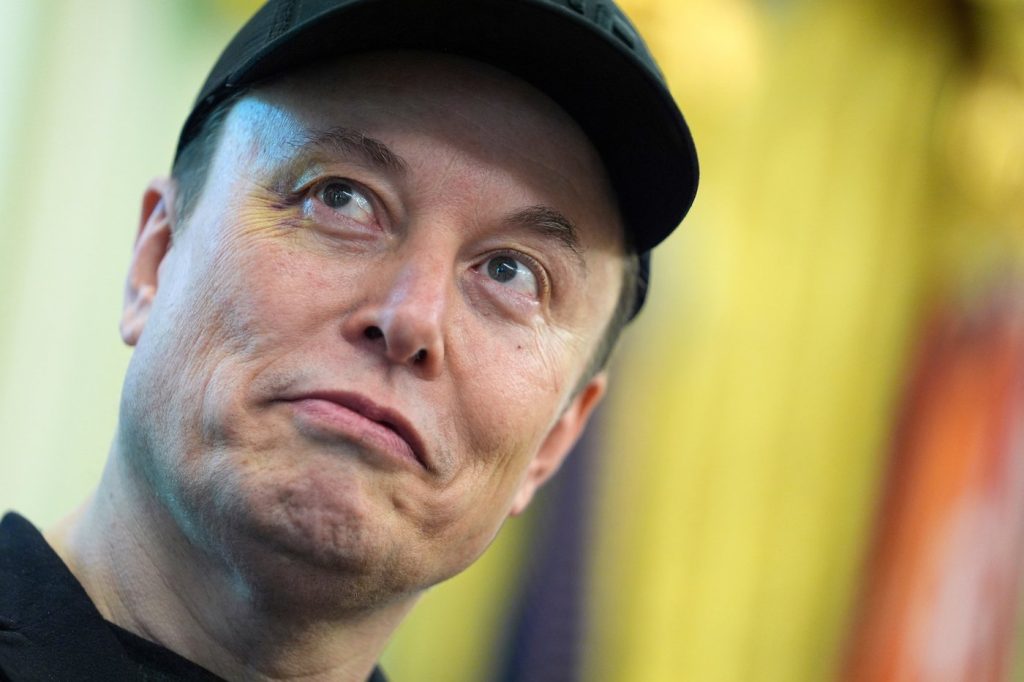
During a press conference, Trump was questioned about his intentions regarding Cuba, which he described as a "failing nation." He remarked that while he was not explicitly trying to "choke off" Cuba, the country's survival seemed increasingly doubtful. Trump's statement reflects a broader U.S. policy aimed at isolating the Cuban government economically.
Cuba's Foreign Minister Bruno Rodríguez condemned Trump’s actions, labeling the executive order a "brutal act of aggression" that threatens the living conditions of the Cuban people. He accused the United States of employing “blackmail and coercion” to pressure other nations into participating in the U.S.-led embargo against Cuba, which has faced widespread international criticism.
Cuban state television commentator Jorge Legañoa defended Cuba, asserting that the island is not a threat but is engaged in efforts to combat organized crime and drug trafficking. Additionally, Carlos F. de Cossio, Cuba’s Deputy Minister of Foreign Affairs, reiterated on social media that the U.S. is intensifying its blockade following decades of ineffective economic warfare aimed at Cuba.
Trump and Mexican President Claudia Sheinbaum spoke by phone the same day, although they did not discuss the Cuban situation. Sheinbaum stated that Mexico's foreign affairs secretary had previously communicated to U.S. Secretary of State Marco Rubio the importance of maintaining humanitarian assistance to Cuba. This aligns with ongoing speculation that Mexico might reduce its oil shipments to Cuba due to U.S. pressure to sever ties with the Cuban government.
In the midst of a deepening energy crisis exacerbated by U.S. sanctions, Cuba has depended heavily on oil shipments from allies such as Mexico, Venezuela, and Russia. Following the ousting of former Venezuelan President Nicolás Maduro, Trump indicated that Venezuelan oil would no longer flow to Cuba, which he believes is on the brink of collapse.
According to Mexico's state-owned oil company Pemex, oil shipments to Cuba amounted to nearly 20,000 barrels per day from January to September 30, 2025. However, this figure reportedly fell to around 7,000 barrels following a visit by U.S. Secretary of State Marco Rubio to Mexico City, indicating significant pressure on Mexico regarding its dealings with Cuba.
Amidst this political maneuvering, Sheinbaum has provided vague and ambiguous statements regarding the status of oil shipments to Cuba. Earlier in the week, she indicated that Pemex had temporarily suspended some shipments, although she insisted it was a sovereign decision rather than one made under U.S. pressure. The lack of clarity reflects the immense pressure that Mexico and other Latin American nations face given Trump's increasingly confrontational stance following the Venezuelan operation.
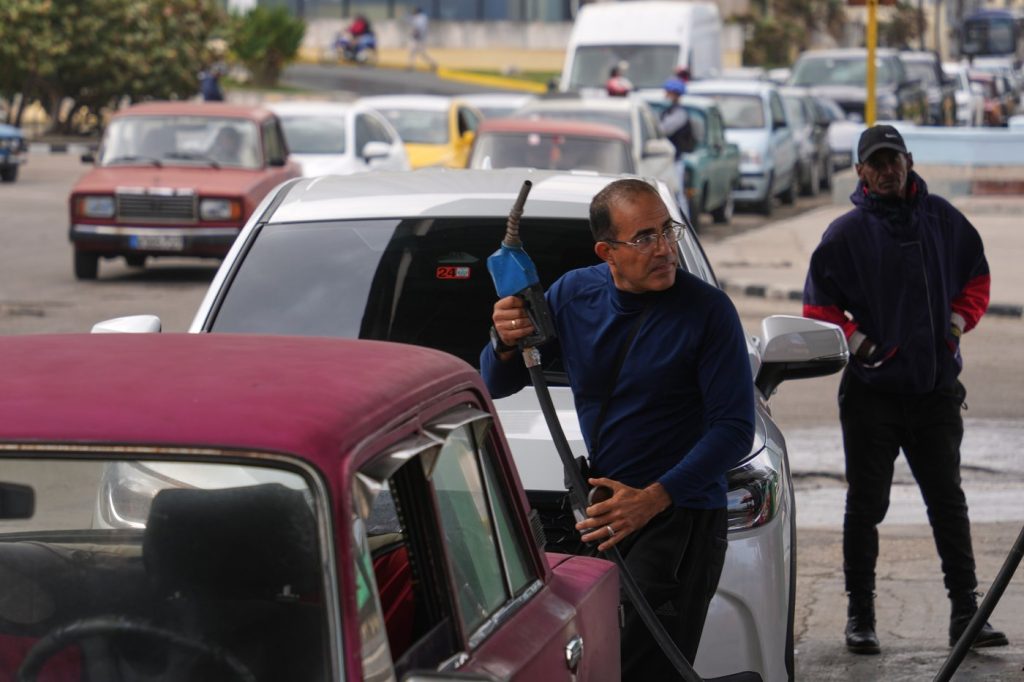
As the situation unfolds, the implications of Trump’s executive order remain uncertain. The Cuban population is already experiencing anxiety, evidenced by long lines for gasoline amid the ongoing crisis. The dual pressures from the U.S. and domestic challenges create a precarious environment for Cuba as it navigates its energy and economic difficulties.