KYIV, Ukraine – On Saturday, several cities in Ukraine, including Kyiv, and neighboring Moldova faced emergency power cuts due to a technical malfunction involving power lines connecting the two countries. Ukraine's Energy Minister, Denys Shmyhal, reported that the failure triggered a cascading outage in Ukraine's power grid, resulting in blackouts in regions such as Zhytomyr and Kharkiv. The outages also led to disruptions in water supply to Kyiv and a temporary suspension of the city's subway system due to low voltage in the network.
Moldova experienced significant power outages as well, with the capital city of Chisinau affected. Moldova's Energy Minister, Dorin Junghietu, confirmed that the automatic protection system was activated in response to the loss of power lines in Ukraine. He urged citizens to remain calm until power was restored.
This widespread outage came amid ongoing Russian strikes against Ukraine’s already weakened energy infrastructure, which has intensified power shortages across the nation. The Russian strategy is perceived by Ukrainian officials as an attempt to "weaponize winter," inflicting further hardship on civilians during an especially brutal winter season. Forecasts indicate temperatures could drop as low as minus 30 degrees Celsius (minus 22 Fahrenheit) in various regions.
In a recent meeting with U.S. President Donald Trump, Russian President Vladimir Putin reportedly agreed to temporarily pause attacks on Kyiv and other Ukrainian towns to alleviate the burden of extreme winter weather. Trump stated during a Cabinet meeting that he urged Putin to halt military actions for a week, a request that was confirmed by Kremlin spokesperson Dmitry Peskov who noted it was aimed at creating better conditions for negotiations.
Scheduled talks between U.S., Russian, and Ukrainian officials are set for February 1 in Abu Dhabi, following a previous meeting in late January that marked the first instance of simultaneous dialogue involving representatives from the Trump administration and both Russia and Ukraine. However, substantial barriers to peace remain, particularly surrounding disputed territories and differing demands between the warring parties.
Despite a recent pause on attacks targeting energy facilities, President Volodymyr Zelenskyy highlighted that Russia has shifted its focus to attacking logistics networks and has been continuously launching aerial strikes against residential areas across Ukraine. While Trump portrayed Putin's agreement to a ceasefire as a concession, Zelenskyy expressed skepticism about Russia’s commitment to peace negotiations, emphasizing that there is little evidence to suggest a genuine willingness to end the war.
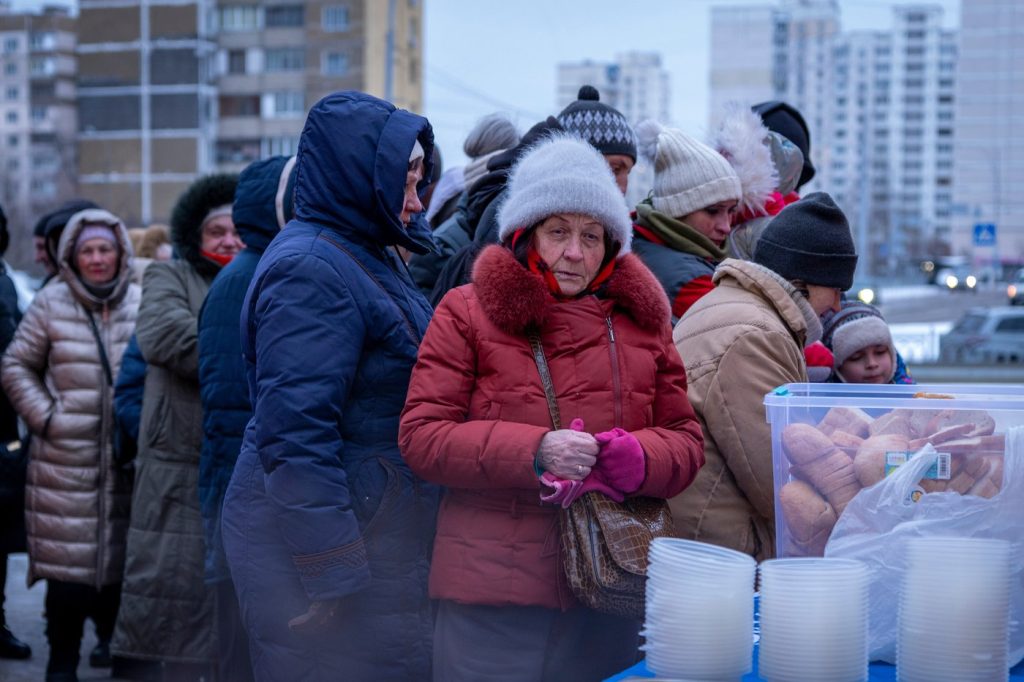
On the streets of Kyiv, many citizens echoed Zelenskyy’s doubts about the prospects of negotiating peace. Amid a frozen Dnipro River, a gathering of locals engaged in leisure activities even as they coped with the harsh winter conditions at home, characterized by a lack of heat, electricity, and water. Interviews with residents revealed widespread concern over Russia’s unrealistic demands and a pervasive belief that negotiations may only lead to a temporary stalemate rather than a lasting solution.
Albina Sokur, a 35-year-old mother from the occupied city of Donetsk, shared her uncertain outlook, believing that while negotiations could take place, returning home may never be an option due to ongoing conflict. She conveyed a deeper desire for a resolution that could definitively end the hostilities rather than merely freezing the front lines around her city.