KHAN YOUNIS, Gaza Strip (AP) – The reopening of the Rafah border crossing between Gaza and Egypt has been celebrated by Palestinian officials as a "window of hope" following two years of war and as a fragile ceasefire deal is in progress. However, this hope has quickly been overshadowed by significant challenges, including disputes over entry conditions, long delays, and concerning reports of Palestinian travelers facing handcuffing and interrogations by Israeli soldiers.
Initially, expectations were high for more substantial crossings; however, the restrictions imposed by Israeli, Egyptian, Palestinian, and international officials limited the daily number of entrants and exits. Only 50 people were set to return to Gaza each day, along with 50 medical patients and their companions. In the first four days, merely 36 medical patients and 62 companions were allowed to depart Gaza, according to United Nations data, amidst claims that nearly 20,000 individuals in Gaza require medical care unavailable within the territory.
The Rafah crossing is crucial for Gaza, being the sole exit point to the outside world not under Israeli control, although it has faced heavy restrictions since Israel's takeover in May 2024. Following the reopening, issues rapidly emerged, leading to the crossing being shut down briefly on Friday and Saturday. Reports of arduous and lengthy questioning processes have emerged. For example, Rana al-Louh, who fled to Egypt with her wounded sister, faced over six hours of interrogation by Israeli screeners, during which she was blindfolded and handcuffed.
Al-Louh recalled, "I told them I returned to Palestine because my husband and kids are there." The interrogators countered that Gaza is part of Israel and warned her of a return to conflict. She expressed her frustrations, asserting that she was determined to return regardless of their threats. In response to allegations regarding mistreatment, an Israeli military spokesperson claimed there were "no incidents of inappropriate conduct" known.
Following the hours of questioning, al-Louh and others could only return to Gaza late at night. Later, U.N. human rights officials criticized the continual pattern of ill-treatment and abuse by Israeli military forces, confirming that the minimum requirement for a return to safety and dignity was not being met, as stated by Ajith Sunghay, the human rights chief for the occupied Palestinian territories.
Negotiators for the Rafah reopening indicated that the initial days would be a pilot phase, allowing for possible adjustments to the number of crossings. Yet, it became evident that complications persisted. On the first day of operations, while the Israeli authorities had approved 71 patients and their companions to leave Gaza, organizers within Gaza could manage transport for only 12 individuals that day. This led to a backlog, forcing many travelers to remain on the Egyptian side until arrangements could be made.
Subsequent days saw a slight increase in the numbers of people crossing, with 40 allowed to leave and 40 to re-enter Gaza on the second day. However, delays continued as returning travelers often carried excessive luggage that did not comply with the set agreements, prolonging the process further. Israeli officials decreed that only one individual would be permitted entry into Gaza for every departure completed, creating a bottleneck at the crossing.
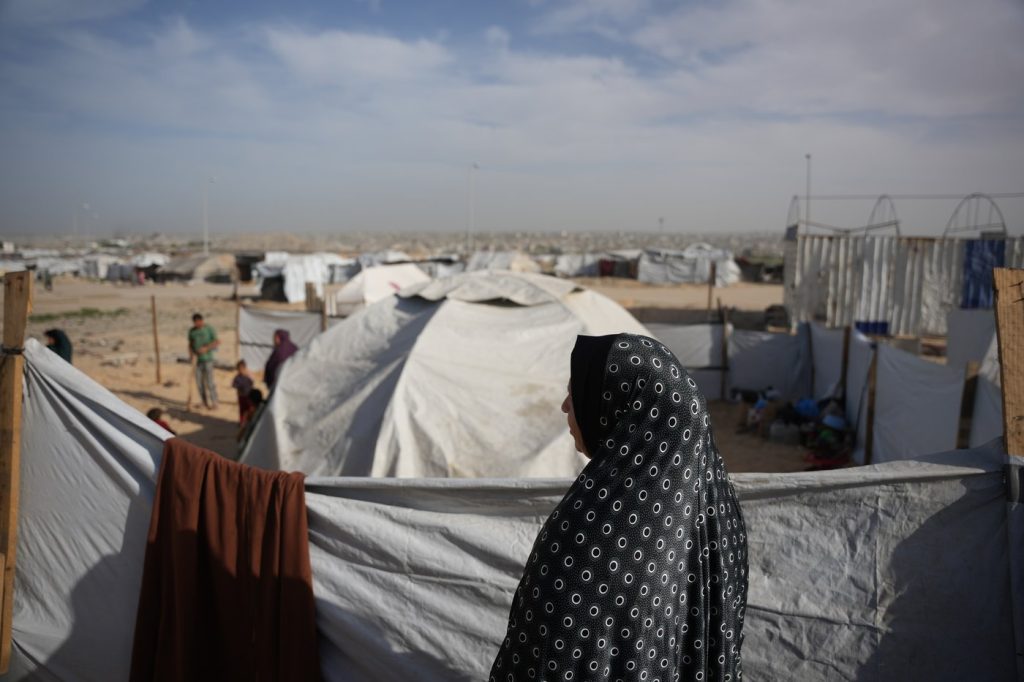
As the journey home wore on, some travelers expressed gratitude despite the difficulties encountered. Siham Omran, who returned after a prolonged absence of 20 months, reflected on the emotional toll of being away from her loved ones. She described her exhaustion and devastation upon witnessing the destruction in Gaza, stating the hardships faced during her absence. Currently, she is living in a tent with 15 family members, utilizing her clothing as a makeshift pillow, symbolizing the dire circumstances many returning to Gaza are facing.
Elhennawy reported from Cairo, Geller from New York, and Federman from Jerusalem contributed to this report.