ISLAMABAD (AP) — Pakistani security forces conducted raids on multiple locations, successfully apprehending four suspects linked to the devastating suicide bombing at a Shiite mosque on the outskirts of Islamabad. This tragic attack, which occurred on February 7, 2026, resulted in the deaths of 31 individuals and injured 169 others. Interior Minister Mohsin Naqvi disclosed the arrests on Saturday, highlighting that among those detained was the alleged mastermind behind the bombing.
The attack was claimed by a regional affiliate of the Islamic State group, identifying themselves as Islamic State in Pakistan, through a statement released on the Amaq News Agency. According to this claim, the attacker engaged security guards at the mosque's main entrance before detonating an explosive vest upon reaching the inner gate of the mosque.
The Islamic State group expressed a disturbing ideology, portraying Pakistani Shiites as "legitimate targets" and referring to them as a "human reservoir" that supplies recruits for Shiite militias engaged in combat with IS forces in Syria. This attack marks the deadliest incident in Islamabad since a 2008 suicide bombing at the Marriott Hotel, which resulted in 63 fatalities and over 250 injuries. Notably, a suicide bombing outside a court in Islamabad in November of the previous year resulted in 12 deaths.
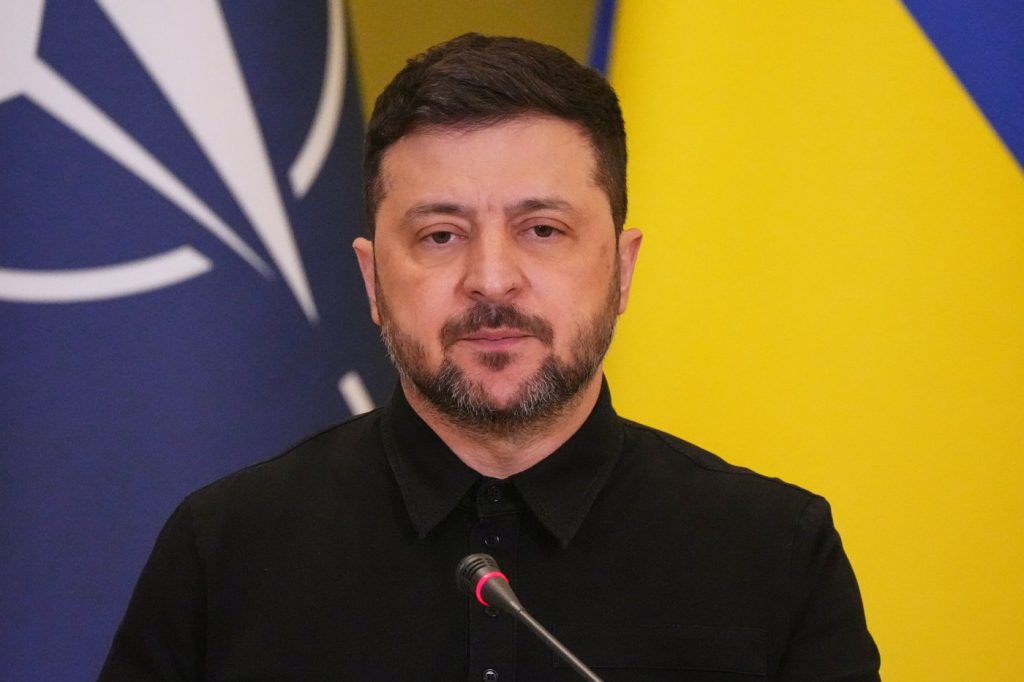
Interior Minister Naqvi described the perceived mastermind of this attack as an Afghan national linked to the Islamic State. He asserted that the bombing was orchestrated with training planned in Afghanistan and allegedly financed by India, though no immediate evidence was presented to support these claims. New Delhi and Kabul have not issued comments regarding these allegations as of now.
Furthermore, Naqvi urged that numerous militant factions are operating from Afghan territory, posing threats to Pakistan and creating instability that could potentially extend beyond the region. Addressing public concerns over security vulnerabilities, he reassured citizens by stating, "If one blast happens, 99 others are being foiled as well."
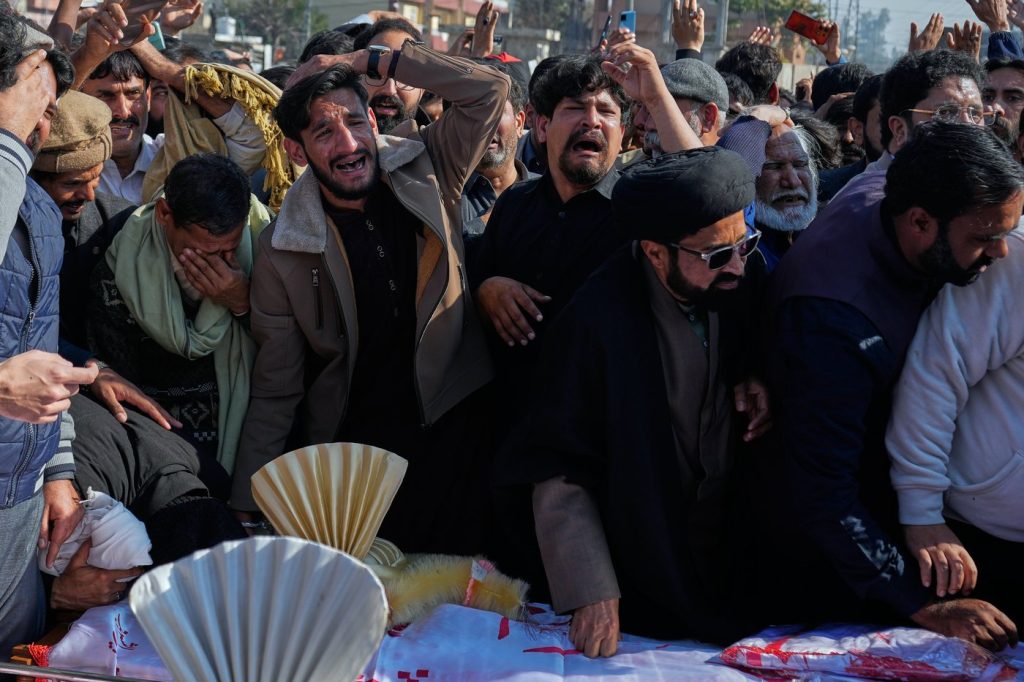
In the aftermath of the attack, over 2,000 mourners congregated at the Shiite mosque to pay their respects during funerals for some victims. Shiite community leaders and senior government figures participated in these somber proceedings as families prepared to conduct additional funerals in their respective hometowns.
The Islamic State, a Sunni militant group, has targeted Pakistan's Shiite minority before, aiming to exacerbate sectarian tensions in a country where Sunnis constitute the majority. In 2022, IS was responsible for a suicide bombing at a Shiite mosque in Peshawar, resulting in the deaths of at least 56 individuals and injuring 194.
Pakistan’s Defense Minister Khawaja Mohammad Asif indicated that the attack highlighted the threat posed by Pakistan-based militants operating from Afghanistan, asserting that such elements could carry out strikes even in the capital city. His remarks elicited a swift rebuke from the Taliban government of Afghanistan. The Afghan Defense Ministry condemned the mosque bombing but criticized Asif's accusations, describing them as "irresponsible." Pakistan has frequently accused Afghanistan of harboring militants, including those from the Pakistani Taliban, a claim that Kabul denies.
The attack prompted widespread international condemnation, with reactions from entities such as the United States, Russia, and the European Union. Prime Minister Shehbaz Sharif expressed gratitude for the outpouring of sympathy and support from around the world following what he termed the "heart-wrenching suicide attack in Islamabad." He emphasized the importance of international backing in Pakistan's counterterrorism initiatives and vowed to ensure justice for those responsible for the tragedy.
Although Islamabad has historically experienced fewer attacks compared to other regions of Pakistan, there has been a discernible uptick in violent incidents attributed primarily to Baloch separatists and the Tehrik-e-Taliban Pakistan (TTP), a distinct group allied with the Taliban in Afghanistan. The increase in militant activity underscores the ongoing challenges facing Pakistan in maintaining security and stability across its borders.