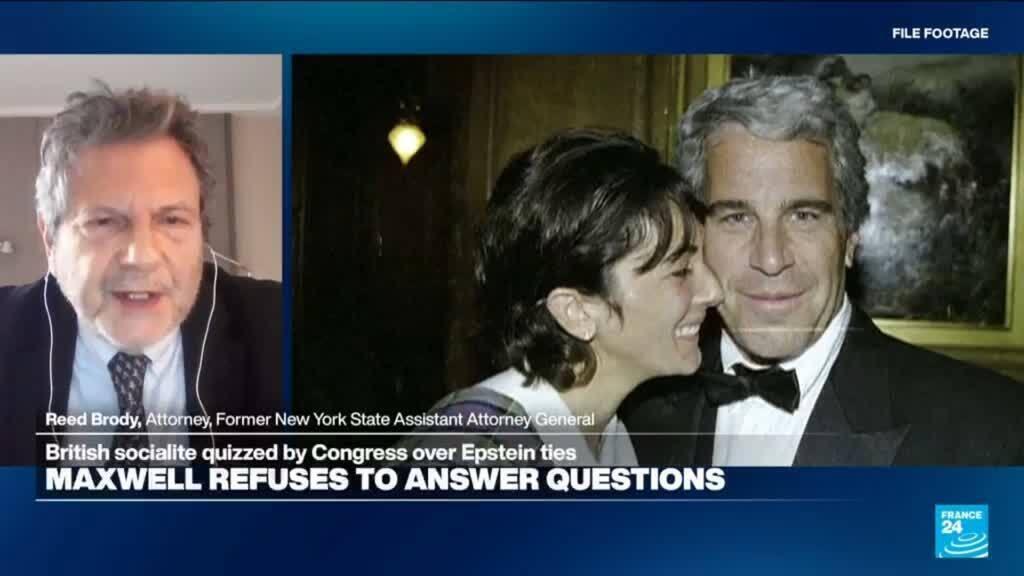
Holding the Powerful to Account: A Conversation with Reed Brody
Angela Diffley recently hosted Reed Brody, a former New York State Assistant Attorney General, known for his relentless pursuit of justice against powerful figures, including brutal dictators and corrupt state officials. Over decades, Brody has built a reputation for recognizing and exposing the patterns of impunity that often permeate the legal process, particularly when influential individuals are involved.
Brody's insights are particularly relevant in light of the high-profile cases involving Ghislaine Maxwell and Jeffrey Epstein. These cases expose a "carefully protected ecosystem" that allows the elite to navigate the legal landscape with relative immunity. Notably, the investigations into their network highlight a troubling dichotomy where powerful individuals seem to evade accountability while ordinary citizens face harsh legal consequences.
The ongoing legal battles surrounding Maxwell and Epstein’s activities serve as a stark illustration of the broader issue of elite immunity. The public has witnessed how redacted documents and names in court filings serve to shield the identities of the wealthy and powerful. This secrecy raises questions about the integrity of the judicial process and the extent to which justice can be served when such protections are in place.
Brody emphasizes the importance of transparency in legal proceedings, arguing that the lack of accountability for the privileged threatens the very foundations of justice. He draws attention to the differences in the legal systems of the United States and Europe, which further complicate the quest for accountability in cases involving high-profile individuals. In Europe, there may be different standards and approaches to justice that could provide a more equitable framework for addressing such issues, but the contrasts are often striking when compared to the US system.
The impact of these cases extends beyond the individuals involved; they reflect systemic issues within society where wealth and power can insulate individuals from the consequences of their actions. Brody’s work aims to dismantle this culture of impunity and shed light on the broader implications for victims seeking justice. He remains committed to fighting against these injustices, advocating for the rights of the vulnerable, and pushing for reforms that would increase accountability within the legal system.
Brody's deep commitment to human rights and the pursuit of justice has made him a vital figure in legal activism. As discussions around the Epstein-Maxwell case continue to unfold, it becomes increasingly clear that the work of individuals like Reed Brody is essential in ensuring that the powerful are held accountable for their actions. The ongoing legal scrutiny will not only shape public perception but also influence future policies and reforms aimed at preventing impunity for the elite.
In summary, Reed Brody’s perspectives on the broader implications of the Maxwell and Epstein cases reveal significant vulnerabilities and inconsistencies in how justice is administered, particularly when it comes to the powerful. His experiences underscore the need for vigilance in the pursuit of accountability and the importance of reforming structures that allow for systemic impunity.