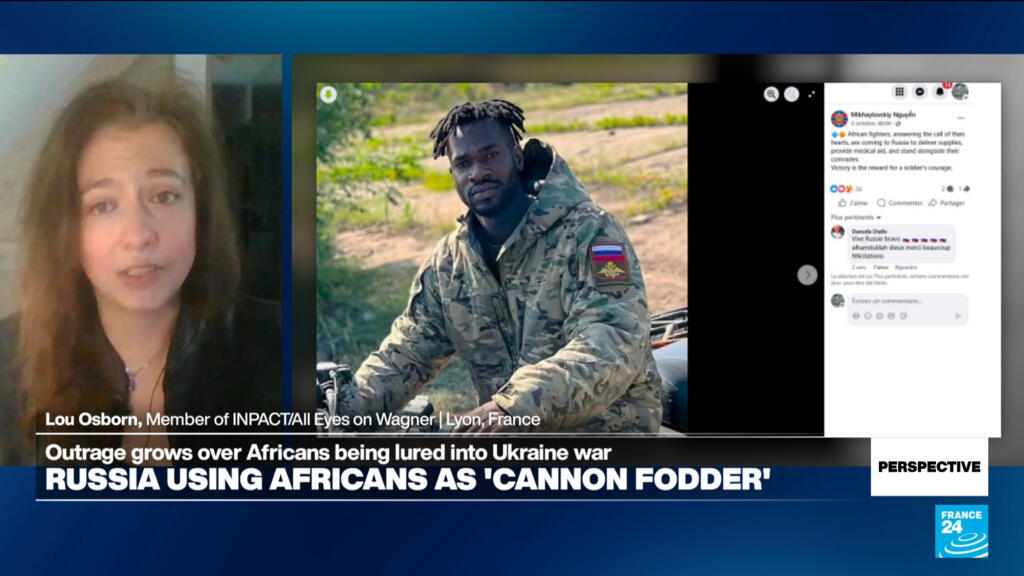
Recent investigations led by the INPACT/All Eyes on Wagner unit have unveiled a troubling trend: Russia is allegedly engaging in aggressive recruitment efforts across the African continent to bolster its military presence on the front lines in Ukraine. This investigation has identified evidence suggesting that approximately 1,500 individuals from 35 different countries have been recruited by Russia, with a reported toll of over 300 fatalities among these recruits during combat.
The investigation raises critical concerns regarding the methods employed by Russian authorities to attract these recruits. According to findings, Russia has established a fraudulent travel agency aimed at enticing individuals with promises of lucrative salaries. However, those who fall for this deception often find themselves conscripted into the Russian army, unwittingly becoming part of the ongoing conflict in Ukraine.
This troubling recruitment strategy not only highlights Russia's expansive efforts to source personnel for its military endeavors but also underscores the desperation of some individuals seeking better economic opportunities. The lure of high pay in a conflict zone can be an enticing proposition for many, especially in regions where economic conditions are dire.
Experts believe that the numbers reported by the INPACT investigation could represent just the tip of the iceberg. The actual figures of those recruited may be significantly higher, as many individuals may not report their conscription or may be unaware of the full extent of their commitments once they arrive in Russia.
This disturbing phenomenon raises ethical concerns regarding the exploitation of vulnerable populations and the means through which countries may seek to expand their military capabilities. As the situation in Ukraine continues to evolve, the implications of such recruitment practices are profound, generating questions about international law and the rights of individuals who are misled into combat.
As this situation develops, monitoring the activities of recruitment efforts across Africa and understanding the broader geopolitical implications will be crucial in addressing the challenges posed by these ongoing military engagements. The investigation serves as a stark reminder of the lengths to which states may go in pursuit of military resources and the vulnerabilities that exist within the global landscape.
```