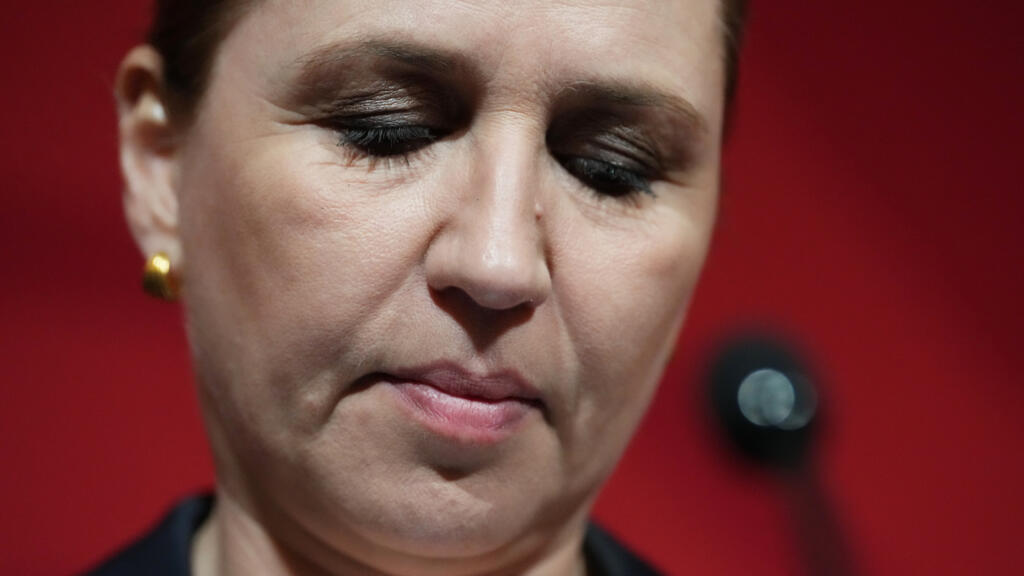
Danish Prime Minister Faces Electoral Setback
Danish Prime Minister Mette Frederiksen encountered a significant electoral setback in the recent parliamentary elections, as her Social Democrats are projected to achieve their worst performance in over a century. This electoral defeat comes despite Frederiksen's acknowledgment of broad international support for her strong approach towards the United States, particularly concerning Greenland, as well as her steady leadership through numerous global crises.
The elections, held on Tuesday, revealed a shift in voter priorities, with domestic issues taking center stage. Chief among these concerns were migration and the escalating cost of living, which resonated deeply with the electorate. As a result, the Social Democrats, who have been at the helm of Danish politics for many years, find themselves facing a precarious situation that may significantly alter the political landscape of Denmark.
Prime Minister Frederiksen has been recognized for her decisive handling of various international matters, earning her praise from global leaders and political analysts alike. Her government's policies related to migration, in particular, have been both criticized and applauded on the world stage. However, the local electorate appeared more focused on pressing domestic challenges. Issues such as rising prices, economic instability, and increasing public discontent regarding immigration policies overshadowed Frederiksen’s international achievements, proving detrimental to her party's standing.
The electoral outcome has left Frederiksen politically weakened, raising questions about her future as Prime Minister. As the leader of the Social Democrats, which historically dominates Danish politics, she is now faced with the daunting task of navigating through uncertain coalition talks. The current political atmosphere, characterized by a multitude of emerging parties and shifting voter sentiments, adds layers of complexity to the coalition-building process. Potential allies and rivals in these discussions will likely be influenced by the electoral results, further complicating the political dynamic as Denmark moves forward.
Moreover, the shift in voter sentiment reflects a broader trend observed in many democracies where issues of immigration and economic pressure are increasingly determining electoral outcomes. This trend is particularly significant in Denmark, where immigration has been a contentious topic that divides public opinion. Frederiksen’s approach towards stringent immigration laws was initially a strategy intended to unify her base, yet it may have alienated moderate voters concerned about the implications of such policies.
As Denmark stands at this political crossroads, the implications of these elections go beyond party politics. They signal a potential shift in the nation’s governance style, prioritizing the immediate concerns of the populace over international posturing. The voters’ focus on tangible issues such as cost of living and immigration indicates a demand for leaders who can provide practical solutions rather than merely aligning with global narratives.
In conclusion, Mette Frederiksen’s electoral setback serves as a stark reminder of the importance of aligning political agendas with the concerns of the electorate. The results from Tuesday’s vote warn incumbent leaders that international acclaim, while valuable, cannot outweigh local issues that directly impact people's daily lives. As the Social Democrats brace for coalition negotiations, the outcome of these talks will likely set the tone for Denmark’s political future in the coming years.