G7 Foreign Ministers Meet in Paris Amidst Tensions Over Middle East War
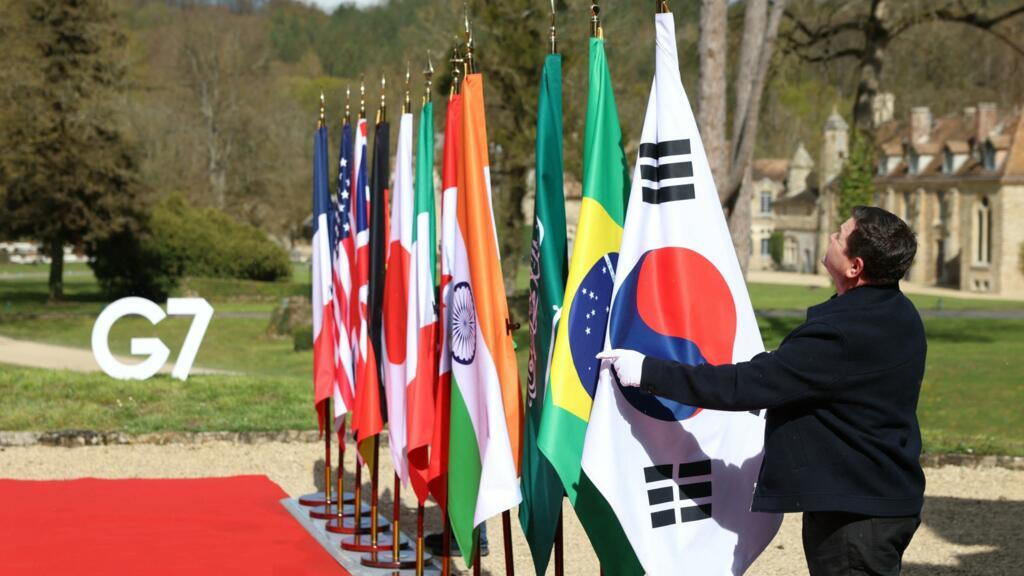
Foreign ministers from the G7 nations have convened for a crucial two-day meeting just outside Paris, starting Thursday. The primary objective of this gathering is to address and narrow the differences with the United States concerning the ongoing Middle East conflict. Moreover, the ministers have committed to keeping pressing global issues, such as the conflict in Ukraine and the humanitarian crisis in Gaza, high on the agenda.
The backdrop for this meeting is the escalating tensions following comments made by US President Donald Trump, who indicated a readiness to take severe actions against Iran if it fails to agree to a deal aimed at resolving the hostilities between the US-Israeli alliance and the Islamic Republic. Trump's stark warning to "unleash hell" underscores the heightened stakes as G7 members seek a unified approach to the multifaceted crises affecting the region.
The G7, which comprises Canada, France, Germany, Italy, Japan, the United Kingdom, and the United States, plays a pivotal role in shaping international policies and responses to global conflicts. The ministers are expected to engage in thorough discussions about the Middle East, particularly focusing on the peace process and the ongoing military tensions in the area. Their deliberations will also include strategies to manage humanitarian aid and support for those affected by the violence.
In addition to addressing the situation in the Middle East, the G7 foreign ministers are keenly aware of the ongoing conflict in Ukraine, which continues to draw international attention and resources. The situation there remains volatile, with ongoing military actions and humanitarian crises that require coordinated responses from the global community. The ministers will likely discuss measures to bolster support for Ukraine, including potential economic sanctions against actors contributing to the aggression.
Furthermore, the meeting aims to reinforce international solidarity and address concerns amongst G7 allies regarding the implications of US foreign policy shifts under Trump's administration. The differing approaches to international relations, particularly with adversarial nations such as Iran, highlight the challenges these foreign ministers face in achieving a cohesive strategy that balances national interests with collective security.
The meeting outside Paris is a critical forum for the G7 nations to reaffirm their commitment to international cooperation in addressing complex geopolitical issues. As the foreign ministers gather, their discussions are expected to not only reflect the immediate concerns related to the Middle East and Ukraine but also explore longer-term strategies for peace, stability, and resilience in global governance.
With tensions running high, the outcomes of this meeting could have significant repercussions on international relationships and future diplomatic engagements. As G7 ministers work towards common solutions, the world will be watching closely to see if they can present a united front in the face of escalating threats in multiple regions.