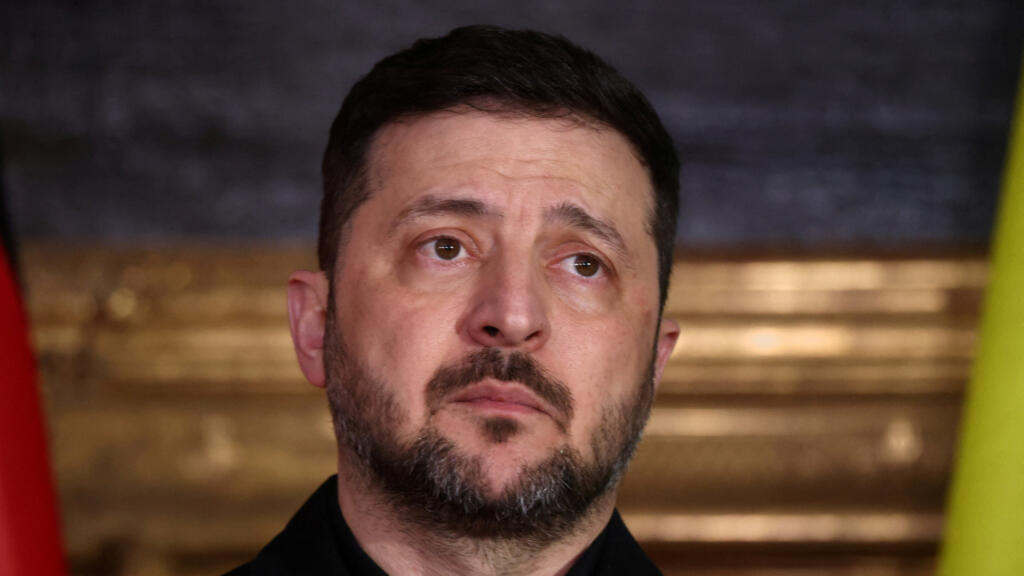
Ukrainian President Volodymyr Zelensky announced his visit to Jordan on Sunday as part of a broader regional tour aimed at enhancing security cooperation. This tour comes at a time when Kyiv is intensifying its military efforts, particularly in light of heightened tensions surrounding Iran. The Ukrainian government has recently deployed anti-drone experts to several Gulf states and has formed defense agreements to strengthen its military capabilities and partnerships in the region.
During his visit to Jordan, President Zelensky is expected to discuss various facets of security cooperation, particularly in the context of recent geopolitical developments. The focus of these discussions includes not only military collaboration but also addressing mutual security concerns stemming from increased Iranian influence in the region. Jordan, a key ally of Western nations, plays a pivotal role within the Arab world, making it an essential stop on Zelensky's tour.
The backdrop to this diplomatic initiative is the escalating tensions related to Iran's regional activities, which have raised alarms among nations in the Gulf and beyond. As the Russian-Ukrainian conflict continues, Kyiv has been actively seeking alliances that can provide military support and strategic partnerships. The inclusion of anti-drone experts underscores Ukraine's commitment to countering aerial threats, particularly as drone warfare becomes increasingly prevalent in modern conflicts.
In recent months, Ukraine has been fostering relationships with several Gulf states, leading to the establishment of defense agreements aimed at collective security. These agreements reflect an understanding among nations in the region of the necessity to collaborate against emerging threats, particularly from Iranian-backed groups. Zelensky's tour signals a proactive approach by Ukraine to solidify its defense posture and engage with Middle Eastern nations in a meaningful way.
This engagement is not only strategic but also symbolizes a shift in Ukraine’s foreign policy, moving toward forming robust partnerships in the Middle East. The Gulf Cooperation Council (GCC) countries have shown a willingness to work with Ukraine, recognizing the importance of regional security and stability. Zelensky's visit to Jordan serves as a platform to deepen these relationships further while addressing concerns over mutual security challenges.
As President Zelensky’s regional tour unfolds, the implications for Ukraine's defense strategy and its international alliances are significant. The partnerships formed during this period could potentially enhance Ukraine's military readiness and operational effectiveness against ongoing challenges. Furthermore, the tour exemplifies a strategic pivot in Ukraine’s foreign relations amidst a backdrop of complex international dynamics where regional security frameworks are becoming increasingly vital.
In conclusion, President Zelensky’s visit to Jordan represents a significant initiative to bolster security cooperation in the face of rising tensions with Iran and shifts in regional geopolitics. By engaging with Gulf states and establishing vital defense agreements, Ukraine is positioning itself as a strategic player in the broader context of Middle Eastern security, seeking to navigate the intricate balance of power that dictates contemporary international relations.